Blog
Why You Wake Up at 3AM and Can’t Go Back to Sleep


Many people experience a frustrating pattern: falling asleep without difficulty, only to suddenly wake up around 3AM and struggle to fall back asleep. This middle-of-the-night awakening can leave you feeling tired, anxious, and exhausted the next day.
Occasional nighttime waking is normal, but repeated awakenings at the same time each night may signal underlying physical, psychological, or lifestyle factors affecting sleep quality. Understanding why this happens can help you break the cycle and restore restful sleep.
Is Waking Up During the Night Normal?
Yes—waking briefly during the night is part of normal sleep architecture. Sleep occurs in cycles lasting about 90 minutes, alternating between light sleep, deep sleep, and REM sleep.
Most people wake briefly between cycles but quickly fall back asleep without remembering it. Problems arise when the brain becomes fully alert, making it difficult to return to sleep.
When awakenings regularly occur around 3AM, they are often linked to stress hormones, sleep habits, or environmental triggers.
Common Reasons You Wake Up at 3AM
1. Stress and Anxiety
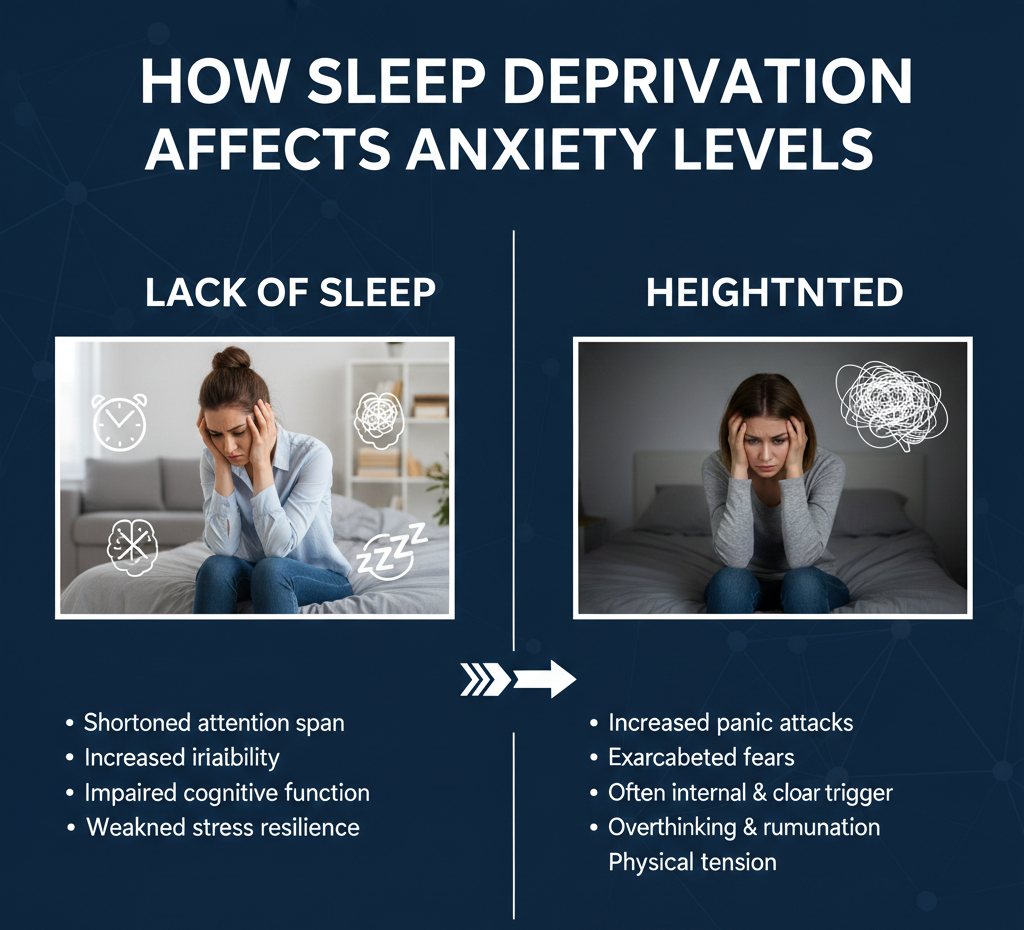
One of the most common causes of early-morning awakening is anxiety.
During the early morning hours, cortisol—the body’s primary stress hormone—begins rising in preparation for waking. If stress levels are already elevated, this hormonal increase may trigger alertness instead of restful sleep.
You may notice:
-
Racing thoughts
-
Worry about responsibilities
-
Mental replay of conversations
-
Difficulty calming the mind
Nighttime anxiety often feels stronger because distractions are minimal.
2. Sleep Maintenance Insomnia
Sleep maintenance insomnia refers to difficulty staying asleep rather than falling asleep.
Common contributors include:
-
Chronic stress
-
Depression
-
Irregular sleep schedules
-
Aging-related sleep changes
-
Medical conditions
Individuals with this condition often wake between 2AM and 4AM and remain awake for extended periods.
3. Blood Sugar Fluctuations
Low blood sugar during the night can activate stress hormones such as adrenaline and cortisol, waking the body suddenly.
Possible signs include:
-
Night sweats
-
Restlessness
-
Rapid heartbeat
-
Hunger upon waking
Eating heavy sugar-based meals or skipping dinner may contribute to nighttime glucose imbalance.
4. Alcohol or Late Caffeine Intake
Alcohol may initially promote drowsiness but disrupts deeper sleep stages later in the night. As the body metabolizes alcohol, sleep becomes lighter and more fragmented.
Similarly, caffeine consumed late in the day may remain active in the body for 6–8 hours, increasing nighttime awakenings.
5. Hormonal Changes
Hormones significantly influence sleep regulation.
Common hormonal causes include:
-
Menopause or perimenopause
-
Thyroid imbalance
-
Elevated cortisol levels
-
Changes in melatonin production
Hormonal shifts can make early waking more frequent.
6. Environmental Sleep Disruptions
External factors may wake you without immediate awareness:
-
Room temperature changes
-
Noise disturbances
-
Light exposure
-
Uncomfortable bedding
-
Sleep partner movement
Once awake, mental alertness may prevent returning to sleep.
7. Overactive Brain at Night
Some individuals experience heightened mental activity during quiet nighttime hours.
The brain may shift into problem-solving mode, leading to:
-
Planning future tasks
-
Overanalyzing situations
-
Creative or intrusive thinking
This cognitive activation signals wakefulness instead of rest.
Why It’s Hard to Fall Back Asleep
After waking, frustration about lost sleep often worsens the situation. Anxiety about being tired the next day activates the nervous system, increasing alertness.
Checking the clock repeatedly can also increase pressure to sleep, making relaxation more difficult.
The brain begins associating nighttime awakenings with stress rather than rest.
What to Do When You Wake Up at 3AM
1. Avoid Checking the Time
Watching the clock increases anxiety and mental stimulation. Turn clocks away from view to reduce sleep pressure.
2. Practice Calm Breathing
Slow breathing helps activate relaxation responses.
Try:
-
Inhale for 4 seconds
-
Exhale for 6–8 seconds
-
Repeat for several minutes
This lowers heart rate and encourages sleepiness.
3. Stay Relaxed Instead of Forcing Sleep
Trying too hard to fall asleep often backfires. Focus on resting quietly rather than sleeping immediately.
Relaxed wakefulness often allows sleep to return naturally.
4. Get Out of Bed if Awake Too Long
If you remain awake for about 20 minutes, leave the bed briefly and engage in a calm activity such as reading under dim lighting.
Return to bed once sleepy again. This prevents associating the bed with frustration.
5. Use Mental Distraction Techniques
Gentle mental exercises can quiet racing thoughts:
-
Counting slow breaths
-
Visualizing calming scenes
-
Listening to soft audio or meditation
Avoid stimulating activities like phone use or bright screens.
Long-Term Solutions to Prevent 3AM Wake-Ups
Maintain Consistent Sleep Times
Going to bed and waking at the same time strengthens the body’s internal clock.
Reduce Evening Stimulation
Limit work stress, heavy meals, caffeine, and intense screen exposure before bedtime.
Manage Stress During the Day
Unresolved daytime stress often appears at night. Journaling, exercise, or mindfulness practices help reduce mental overload.
Support Healthy Blood Sugar
Balanced evening meals containing protein and complex carbohydrates may stabilize nighttime energy levels.
Improve Sleep Environment
Ensure your bedroom is:
-
Cool
-
Dark
-
Quiet
-
Comfortable
Small environmental improvements can significantly enhance sleep continuity.
When to Seek Professional Help
Consult a healthcare professional if:
-
Night awakenings occur frequently
-
Insomnia lasts several weeks or longer
-
Daytime fatigue affects functioning
-
Anxiety or depression worsens
-
Snoring or breathing interruptions occur
Persistent sleep disruption may require evaluation or targeted treatment.
The Role of Anxiety and Mental Health
Early-morning waking is strongly connected to anxiety disorders and chronic stress. Addressing emotional health through therapy, relaxation practices, or medical guidance can significantly improve sleep patterns.
Sleep improvement often follows mental health improvement.
Final Thoughts
Waking up at 3AM and struggling to return to sleep is a common but frustrating experience. In many cases, it reflects stress, hormonal rhythms, lifestyle habits, or sleep maintenance insomnia rather than a serious medical issue.
By understanding the underlying causes and adopting calming nighttime strategies, individuals can retrain the brain for deeper, uninterrupted rest. Consistent sleep habits, stress management, and healthy routines play a powerful role in restoring natural sleep cycles.
Better sleep is achievable—and small changes made consistently can lead to lasting improvements in both nighttime rest and daytime well-being.