
Blog
When to See a Doctor for Anxiety Symptoms

Author:
Medical Writer
Saya Des Marais

Medical Reviewer:
Dr. Russell A. Barkley, Ph.D
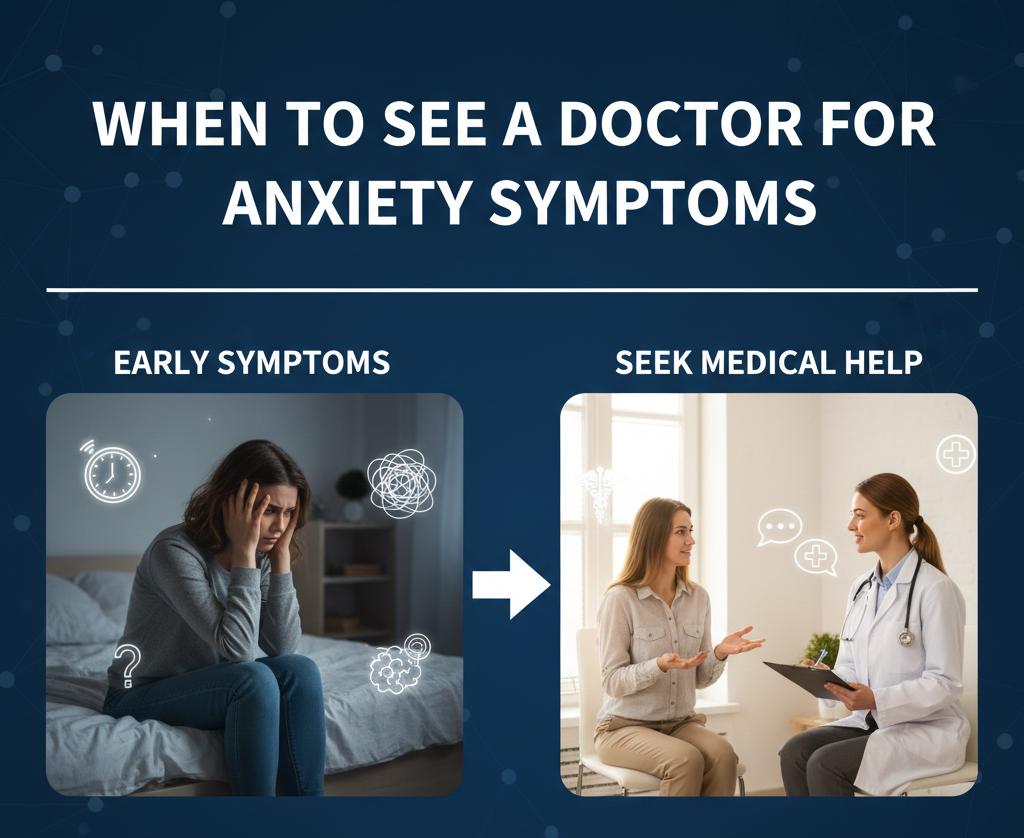
Anxiety is a natural emotional response to stress and uncertainty. It can help people stay alert and prepared for challenges. However, when anxiety becomes persistent, intense, or interferes with daily life, it may indicate a more serious condition that requires professional medical attention.
Many people struggle to decide whether their anxiety is “normal” or a sign of an underlying disorder. Understanding when to see a doctor for anxiety symptoms can lead to early diagnosis, effective treatment, and improved quality of life.
This article explains the difference between everyday anxiety and clinical anxiety, outlines warning signs, and explores available treatment options.
Understanding Normal Anxiety vs Clinical Anxiety
Everyone experiences anxiety occasionally, such as before exams, interviews, or important events. This type of anxiety is temporary and usually resolves once the stressful situation passes.
Clinical anxiety, on the other hand, is characterized by:
-
Persistent worry lasting weeks or months
-
Anxiety without a clear cause
-
Difficulty controlling anxious thoughts
-
Physical and emotional symptoms that disrupt daily life
When anxiety becomes chronic or overwhelming, it may signal an anxiety disorder.
Common Anxiety Symptoms
Anxiety affects both the mind and body. Symptoms vary from person to person but often include:
Psychological Symptoms
-
Excessive worry or fear
-
Restlessness or irritability
-
Difficulty concentrating
-
Feeling on edge or tense
-
Sleep disturbances
Physical Symptoms
-
Rapid heartbeat or palpitations
-
Shortness of breath
-
Chest tightness or pain
-
Sweating or trembling
-
Digestive issues
-
Muscle tension
Occasional symptoms are normal, but persistent or severe symptoms may require medical evaluation.
Key Signs You Should See a Doctor for Anxiety
1) Anxiety Persists for More Than Two Weeks
If anxiety lasts longer than two weeks and shows no improvement, it may indicate a deeper issue. Chronic anxiety can worsen without treatment.
2) Anxiety Interferes With Daily Life
When anxiety affects work, relationships, or daily activities, it is a strong sign that professional help is needed. Examples include:
-
Avoiding social situations
-
Difficulty performing at work or school
-
Trouble completing routine tasks
3) Physical Symptoms Mimic Serious Illness
Symptoms such as chest pain, dizziness, or shortness of breath should always be evaluated by a doctor to rule out medical conditions.
4) Panic Attacks Occur Frequently
Panic attacks involve sudden episodes of intense fear accompanied by physical symptoms like rapid heartbeat and sweating. Frequent panic attacks are a sign to seek medical advice.
5) Anxiety Causes Sleep Problems
Chronic insomnia or frequent nightmares caused by anxiety can significantly impact mental and physical health.
6) You Experience Depression Along With Anxiety
Anxiety often coexists with depression. Symptoms such as persistent sadness, loss of interest, or hopelessness require professional evaluation.
7) Use of Alcohol or Substances to Cope
Using substances to manage anxiety is a warning sign that medical or psychological support is needed.
8) Thoughts of Self-Harm
Any thoughts of self-harm or suicide require immediate medical attention and emergency support.
Types of Anxiety Disorders Diagnosed by Doctors
Doctors and mental health professionals may diagnose various anxiety disorders, including:
-
Generalized Anxiety Disorder (GAD)
-
Panic Disorder
-
Social Anxiety Disorder
-
Phobias
-
Post-Traumatic Stress Disorder (PTSD)
Each condition has specific diagnostic criteria and treatment approaches.
How Doctors Diagnose Anxiety
Diagnosis typically involves:
-
Medical history and symptom evaluation
-
Physical examination
-
Psychological assessments
-
Screening questionnaires
Doctors may also rule out medical conditions such as thyroid disorders or heart problems.
Treatment Options for Anxiety
1) Psychological Therapy
Cognitive Behavioral Therapy (CBT) is one of the most effective treatments for anxiety. It helps individuals identify and change negative thought patterns.
2) Lifestyle Changes
Doctors often recommend lifestyle modifications such as:
-
Regular exercise
-
Balanced diet
-
Adequate sleep
-
Stress management techniques
3) Medication
In some cases, doctors may prescribe medications to manage anxiety symptoms. These are typically used alongside therapy.
4) Holistic and Complementary Approaches
Mindfulness, meditation, and relaxation techniques can support traditional treatments.
Benefits of Seeking Medical Help Early
Early intervention can:
-
Prevent worsening symptoms
-
Improve treatment outcomes
-
Enhance emotional resilience
-
Reduce the risk of complications
Seeking help is not a sign of weakness—it is a proactive step toward better mental health.
Overcoming the Stigma of Mental Health Treatment
Many people hesitate to seek help due to stigma or fear of judgment. However, anxiety disorders are common and treatable. Open conversations about mental health can encourage more people to seek support.
Conclusion
Anxiety is a normal part of life, but persistent or severe symptoms should not be ignored. Knowing when to see a doctor for anxiety symptoms can help individuals receive timely diagnosis and effective treatment.
If anxiety interferes with daily life, causes physical distress, or leads to emotional struggles, seeking professional help is essential. With the right support and treatment, individuals can regain control and achieve a healthier, more balanced life.
FAQs
Is guilt a symptom of depression?
Yes, excessive or guilt is listed as a core symptom of Major Depressive Disorder in the DSM-5.
Can guilt cause depression?
While guilt alone doesn’t cause depression, chronic guilt can contribute to its development and worsen existing symptoms.
How do I stop feeling guilty when depressed?
Working with a therapist, practicing self-compassion, and potentially using medication can help manage guilt associated with depression.

Contact us
Have questions? Reach out and we’ll get back to you shortly.
Content
Guilt and Depression at a Glance
How Guilt and Depression Interact
Coping When You’re
Depressed and Feeling Guilty
Evidence-Based Treatments
When to Seek Help
How Loved Ones Can Help
FAQs