
Blog
What to Tell Your Doctor Before Starting a New Medication

Author:
Medical Writer
Saya Des Marais

Medical Reviewer:
Dr. Russell A. Barkley, Ph.D
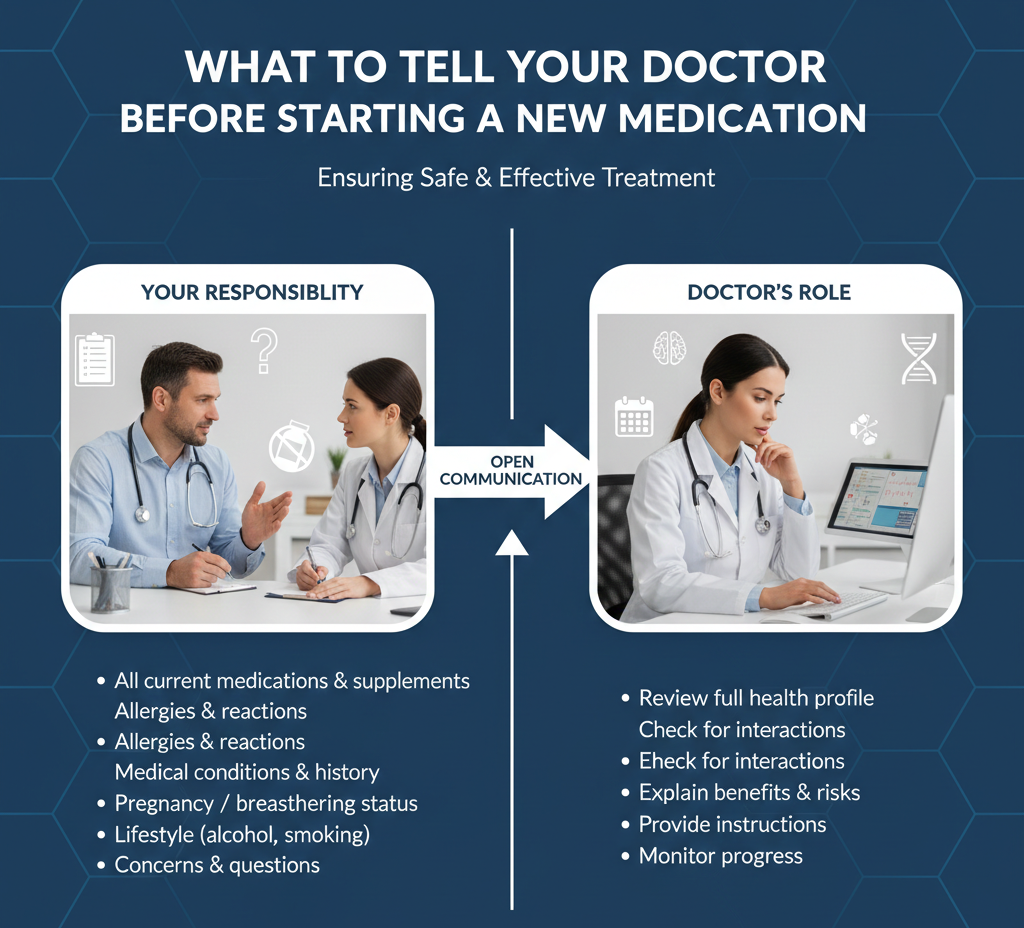
Starting a new medication can be life-changing, whether it’s for pain relief, mental health, chronic conditions, or acute illness. However, medications can carry risks if not prescribed and monitored correctly. To ensure safety and effectiveness, it’s essential for patients to provide doctors with comprehensive information before beginning any new prescription or over-the-counter (OTC) medication.
Sharing accurate and complete information helps doctors choose the right medication, determine safe dosages, anticipate potential side effects, and avoid dangerous interactions. This article outlines the key information you should tell your doctor before starting a new medication and explains why each piece of information matters.
1. Your Complete Medical History
Doctors need to understand your overall health to select medications safely.
Key Points to Share:
-
Past illnesses and surgeries: Certain conditions, like kidney disease, liver problems, heart disease, or diabetes, influence drug choice and dosing.
-
Chronic conditions: Medications may interact with treatments for conditions like hypertension, asthma, or mental health disorders.
-
History of serious infections or hospitalizations: May affect your immune system or influence antibiotic choice.
-
Previous reactions to medications: Allergies, rashes, swelling, or anaphylaxis are critical to prevent dangerous side effects.
Why It Matters:
Medical history helps prevent drug interactions, adverse reactions, and ineffective treatment. For example, a patient with liver disease may need a lower dose of certain pain medications to avoid toxicity.
2. Current Medications
Doctors need a full list of all medications, supplements, and vitamins you take.
Key Points to Share:
-
Prescription medications, including dosages and schedules
-
Over-the-counter medications (pain relievers, cold medications, antacids)
-
Herbal supplements and vitamins
-
Recreational drugs, if applicable
Why It Matters:
-
Prevents dangerous drug interactions
-
Avoids duplicate therapies (e.g., taking two medications with similar effects)
-
Ensures medications work as intended
3. Allergies and Sensitivities
-
Tell your doctor about any drug, food, or environmental allergies
-
Include reactions to previous medications, like antibiotics, painkillers, or anesthesia
Why It Matters:
-
Allergic reactions can be mild (rash, itching) or severe (anaphylaxis)
-
Doctors may choose alternative medications or adjust doses to ensure safety
4. Lifestyle Factors
Lifestyle can impact medication effectiveness and safety.
Key Points to Share:
-
Alcohol consumption: Some medications interact with alcohol, increasing sedation, liver risk, or blood pressure effects
-
Smoking or vaping: Can affect how certain drugs, like blood thinners or antidepressants, are metabolized
-
Dietary habits: Foods can interact with medications (e.g., grapefruit affects some cholesterol and blood pressure medications)
-
Exercise routine: May influence medications like insulin or heart medications
Why It Matters:
Understanding your lifestyle helps doctors prevent adverse effects and optimize treatment.
5. Pregnancy, Breastfeeding, and Family Planning
-
Inform your doctor if you are pregnant, planning to become pregnant, or breastfeeding
-
Certain medications can affect fetal development or pass into breast milk
Why It Matters:
-
Ensures safe treatment for both mother and baby
-
Doctors may choose alternative medications or adjust dosages
6. Symptoms and Goals of Treatment
Clearly communicate why you are seeking treatment and what outcomes you expect.
Key Points to Share:
-
Severity and frequency of symptoms
-
How symptoms affect daily life
-
Previous treatments tried and results
Why It Matters:
Doctors use this information to select the most appropriate medication and set realistic expectations for therapy.
7. Previous Medication Experiences
-
Share any medications that worked well or caused side effects
-
Include over-the-counter, prescription, and herbal treatments
Why It Matters:
-
Helps doctors avoid repeating ineffective treatments
-
Minimizes risk of side effects or allergic reactions
8. Mental Health and Emotional Wellbeing
-
Share any history of anxiety, depression, or mood disorders
-
Include information about sleep patterns, stress levels, and coping strategies
Why It Matters:
-
Some medications, especially painkillers, antidepressants, and sleep aids, can affect mental health
-
Doctors may adjust medications or recommend therapy to ensure safety
9. Adherence Challenges
-
Discuss any history of forgetting doses or difficulty following medication schedules
-
Mention preferences for once-daily dosing or alternative delivery methods
Why It Matters:
-
Ensures the doctor chooses a medication and regimen that you can realistically follow
-
Improves treatment effectiveness and safety
10. Questions About Side Effects or Risks
Be prepared to ask about:
-
Common side effects
-
Rare but serious complications
-
Interactions with current medications or lifestyle factors
-
How long it takes for the medication to work
Why It Matters:
Asking questions ensures you understand the benefits and risks, helping you use the medication safely and effectively.
Tips for Effective Communication With Your Doctor
-
Bring a Medication List
-
Include dosages, frequency, and how long you’ve been taking each medication
-
-
Use a Health Journal
-
Track symptoms, side effects, and lifestyle factors for discussion
-
-
Be Honest and Detailed
-
Don’t withhold information about alcohol, supplements, or past reactions
-
-
Ask for Written Instructions
-
Helps avoid confusion about dosing and timing
-
-
Schedule Follow-Up
-
Check effectiveness and side effects after starting the medication
-
Key Takeaways
-
Sharing comprehensive information with your doctor before starting a new medication is essential for safety and effectiveness
-
Important topics include:
-
Complete medical history
-
Current medications, supplements, and vitamins
-
Allergies and sensitivities
-
Lifestyle habits, including diet, alcohol, and smoking
-
Pregnancy, breastfeeding, and family planning
-
Symptoms, treatment goals, and previous experiences
-
Mental health and adherence challenges
-
-
Effective communication helps prevent adverse reactions, drug interactions, and ineffective treatment
Conclusion
Starting a new medication is a critical step in managing your health. Providing your doctor with full and accurate information ensures they can choose the safest and most effective treatment.
From medical history and current medications to lifestyle factors and personal treatment goals, every detail matters. Open communication, honesty, and proactive engagement with your healthcare provider can maximize the benefits of your medications while minimizing risks.
Remember, the success of any treatment depends on partnership between you and your doctor, making transparency and dialogue essential.
FAQs
Is guilt a symptom of depression?
Yes, excessive or guilt is listed as a core symptom of Major Depressive Disorder in the DSM-5.
Can guilt cause depression?
While guilt alone doesn’t cause depression, chronic guilt can contribute to its development and worsen existing symptoms.
How do I stop feeling guilty when depressed?
Working with a therapist, practicing self-compassion, and potentially using medication can help manage guilt associated with depression.

Contact us
Have questions? Reach out and we’ll get back to you shortly.
Content
Guilt and Depression at a Glance
How Guilt and Depression Interact
Coping When You’re
Depressed and Feeling Guilty
Evidence-Based Treatments
When to Seek Help
How Loved Ones Can Help
FAQs