Blog
What Happens If You Take Too Much Medicine?

Author:
Medical Writer
Saya Des Marais

Medical Reviewer:
Dr. Russell A. Barkley, Ph.D
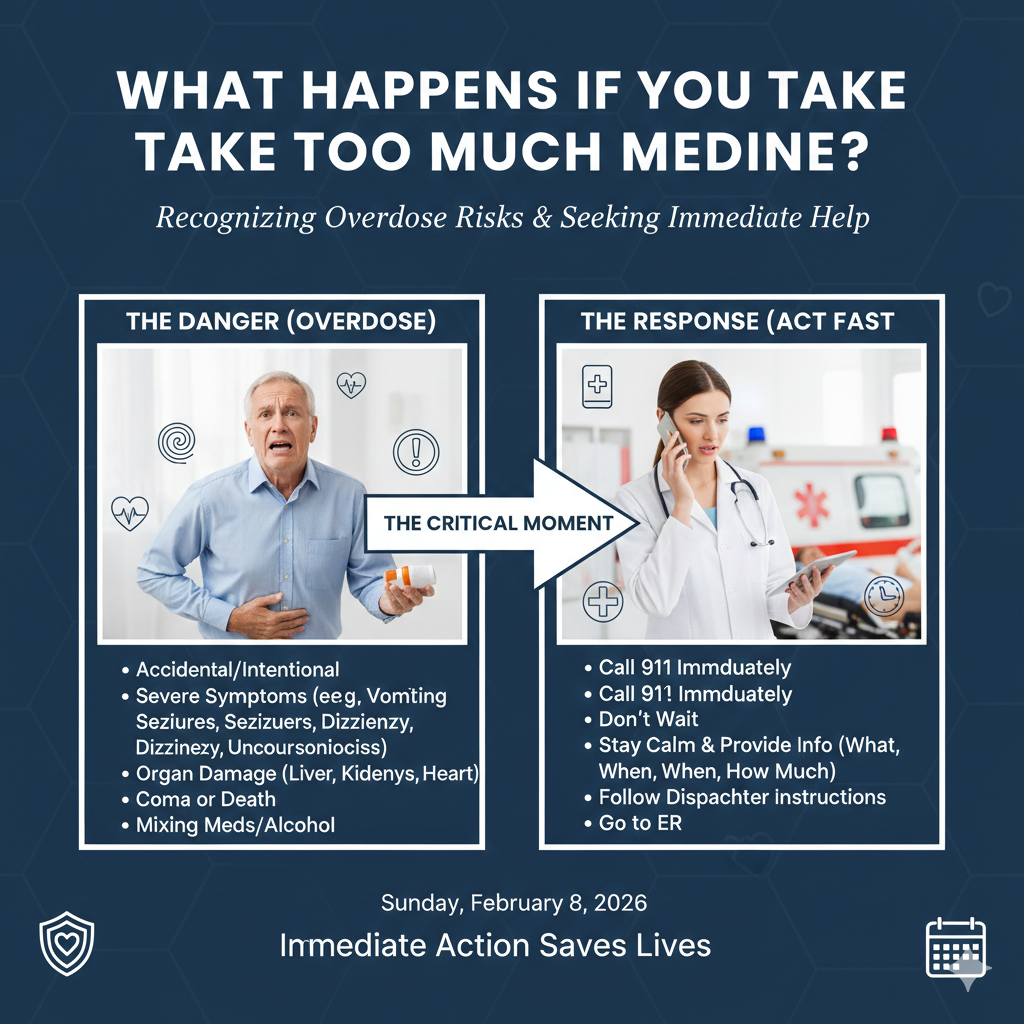
Medications play an essential role in treating illnesses, managing pain, and improving quality of life. When used correctly and under medical guidance, they can be highly effective and safe. However, taking too much medicine—whether accidentally or intentionally—can lead to serious health risks, including overdose, organ damage, or even life-threatening emergencies.
Medication overdoses can occur in many ways. Sometimes people misread instructions, forget they already took a dose, combine medications without proper guidance, or assume that taking more medicine will make symptoms improve faster. In reality, exceeding recommended dosages rarely provides additional benefits and often causes harmful side effects.
Understanding what happens when too much medicine is taken, recognizing warning signs, and knowing how to respond quickly can prevent severe complications and potentially save lives. This guide explores the causes, symptoms, risks, emergency steps, and prevention strategies to promote safer medication use.
What Does “Taking Too Much Medicine” Mean?
Taking too much medicine refers to consuming more than the recommended or prescribed amount of a drug within a specific period. This can include:
-
Taking extra doses beyond instructions
-
Using medication more frequently than prescribed
-
Mixing multiple drugs with similar effects
-
Consuming someone else’s prescription
-
Taking incorrect strength or formulation
Even over-the-counter (OTC) medications like pain relievers, cold remedies, or sleep aids can cause serious harm when taken in excessive amounts.
Common Reasons People Take Too Much Medication
Medication overdoses often happen unintentionally. Some common causes include:
1. Misunderstanding Instructions
Complex dosing schedules or unclear labels may lead to confusion about timing or quantity.
2. Forgetting Previous Doses
Without tracking, individuals may accidentally repeat a dose too soon.
3. Trying to Relieve Symptoms Faster
Some people believe taking extra medicine will speed up recovery or provide stronger relief.
4. Mixing Similar Medications
Taking multiple products with the same active ingredients increases the risk of overdose.
5. Alcohol or Substance Use
Combining medications with alcohol or recreational drugs can intensify effects and toxicity.
6. Mental Health Challenges
Intentional overdose may occur during emotional distress or crisis situations, requiring immediate support and care.
What Happens in the Body During an Overdose?
When medication levels exceed safe limits, the body struggles to process and eliminate the excess. The effects vary depending on the type of drug, dose, and individual health factors.
Central Nervous System Effects
Some medications slow down brain activity, leading to drowsiness, confusion, or loss of consciousness.
Cardiovascular Changes
Overdoses can cause irregular heart rhythms, dangerously high or low blood pressure, or heart failure.
Respiratory Depression
Certain drugs suppress breathing, which can be life-threatening if untreated.
Organ Damage
The liver and kidneys play a major role in metabolizing medications. Excessive drug levels may lead to toxicity or long-term organ injury.
Gastrointestinal Issues
Nausea, vomiting, abdominal pain, and severe digestive distress are common overdose symptoms.
Signs and Symptoms of Taking Too Much Medicine
Recognizing overdose symptoms early is critical. Signs vary depending on the medication but may include:
-
Extreme drowsiness or unusual fatigue
-
Confusion or difficulty speaking
-
Dizziness or fainting
-
Rapid or irregular heartbeat
-
Trouble breathing or shallow breaths
-
Nausea, vomiting, or stomach pain
-
Seizures or tremors
-
Sweating or fever
-
Blue lips or pale skin
-
Loss of consciousness
Some symptoms appear immediately, while others may develop gradually over several hours.
Risks of Medication Overdose
Taking too much medicine can result in both short-term and long-term consequences.
Short-Term Risks
-
Acute poisoning or toxicity
-
Allergic reactions
-
Respiratory failure
-
Severe sedation or coma
-
Sudden cardiac problems
Long-Term Risks
-
Permanent liver or kidney damage
-
Memory or cognitive issues
-
Dependence or addiction
-
Chronic health complications
Even a single overdose event can have lasting effects, especially with certain medications like opioids, sedatives, or antidepressants.
What to Do If You Take Too Much Medicine
If you suspect an overdose, acting quickly is essential.
1. Assess the Situation
Determine what medication was taken, how much, and when. Keep packaging nearby if possible.
2. Seek Medical Help Immediately
Contact emergency services or visit the nearest hospital if symptoms are severe or worsening.
3. Avoid Self-Treatment
Do not induce vomiting or take additional substances unless instructed by a healthcare professional.
4. Stay With the Person
If someone else has overdosed, monitor breathing and responsiveness until help arrives.
5. Follow Professional Advice
Medical teams may administer treatments such as activated charcoal, intravenous fluids, or medications to counteract toxic effects.
High-Risk Medications for Overdose
Certain drug categories carry a higher risk when taken excessively:
-
Opioid pain medications
-
Sedatives and anti-anxiety drugs
-
Sleep medications
-
Antidepressants
-
Blood pressure medicines
-
Acetaminophen-based pain relievers
Even herbal supplements and vitamins can be harmful when consumed in excessive quantities.
How Healthcare Providers Treat Overdose
Treatment depends on the type of medication and severity of symptoms. Common approaches include:
-
Monitoring vital signs
-
Oxygen therapy or breathing support
-
Medications to reverse effects
-
Intravenous fluids for hydration
-
Observation for delayed symptoms
-
Organ function tests
Early medical intervention significantly improves recovery outcomes.
Preventing Medication Overdose
The best way to avoid overdose is through safe medication practices:
Follow Instructions Carefully
Always take medicine exactly as prescribed or directed on the label.
Use a Medication Schedule
Track doses using reminders, apps, or pill organizers.
Avoid Mixing Without Guidance
Consult a doctor or pharmacist before combining medications or supplements.
Read Labels Thoroughly
Check active ingredients to prevent accidental duplication.
Store Medicines Safely
Keep medications out of reach of children and separate different prescriptions.
Communicate With Healthcare Providers
Inform doctors about all medications you’re taking, including OTC products.
Never Share Prescriptions
Medication dosages are personalized and may not be safe for others.
When to Seek Emergency Help Immediately
Call emergency services if any of the following occur:
-
Loss of consciousness
-
Seizures
-
Difficulty breathing
-
Severe chest pain
-
Uncontrolled vomiting
-
Blue or gray skin tone
Quick medical attention can prevent serious complications and improve survival rates.
The Importance of Education and Awareness
Medication safety depends on knowledge, communication, and responsible use. Patients, caregivers, and healthcare professionals all play a role in preventing overdose. Public awareness campaigns and patient education help reduce medication errors and promote safer practices.
Understanding dosing instructions, recognizing warning signs, and maintaining open communication with healthcare providers can dramatically lower the risk of harmful outcomes.
Conclusion
Taking too much medicine can have serious consequences, ranging from mild side effects to life-threatening emergencies. Overdoses may occur due to confusion, misuse, or misunderstandings about dosing, but many cases are preventable with proper education and safe medication habits.
Always follow prescribed instructions, track your doses carefully, and consult healthcare professionals when uncertain about medication use. Recognizing early symptoms and responding quickly in emergencies can make a critical difference.
Responsible medication use is not only about treating illness—it’s about protecting your overall health and well-being. By staying informed and cautious, individuals can benefit from effective treatments while minimizing the risks associated with excessive medication intake.
FAQs
Is guilt a symptom of depression?
Yes, excessive or guilt is listed as a core symptom of Major Depressive Disorder in the DSM-5.
Can guilt cause depression?
While guilt alone doesn’t cause depression, chronic guilt can contribute to its development and worsen existing symptoms.
How do I stop feeling guilty when depressed?
Working with a therapist, practicing self-compassion, and potentially using medication can help manage guilt associated with depression.

Contact us
Have questions? Reach out and we’ll get back to you shortly.
Content
Guilt and Depression at a Glance
How Guilt and Depression Interact
Coping When You’re
Depressed and Feeling Guilty
Evidence-Based Treatments
When to Seek Help
How Loved Ones Can Help
FAQs