
Blog
What Happens During Your First Anxiety Treatment Appointment

Author:
Medical Writer
Saya Des Marais

Medical Reviewer:
Dr. Russell A. Barkley, Ph.D
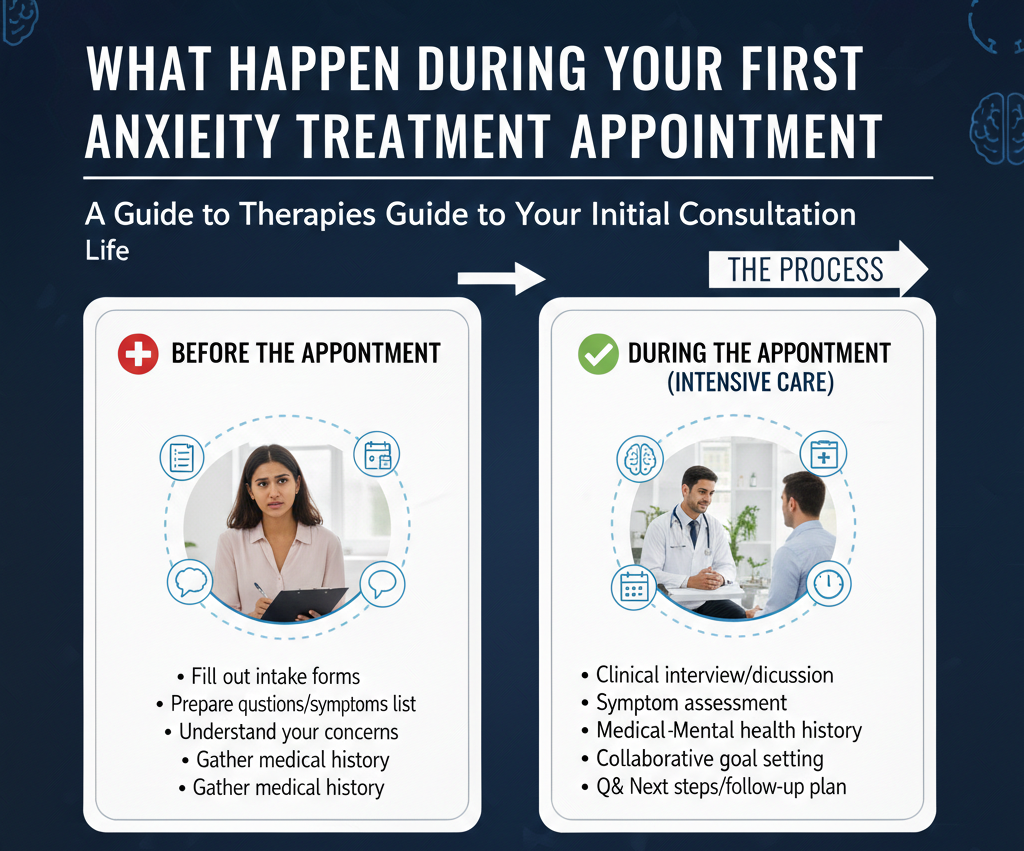
Scheduling your first anxiety treatment appointment can feel overwhelming. Many people delay seeking help because they are unsure what to expect or worry about being judged. The truth is that mental health professionals are trained to provide compassionate, confidential, and structured care designed to help you feel understood and supported.
If you are preparing for your first anxiety treatment visit, understanding the process can reduce fear and help you feel more confident. This guide explains each step of an initial anxiety appointment, from evaluation to treatment planning.
Why the First Appointment Matters
The first anxiety treatment appointment sets the foundation for your recovery journey. It is not about receiving immediate solutions or quick fixes. Instead, it focuses on:
-
Understanding your symptoms
-
Identifying possible triggers
-
Evaluating your overall mental and physical health
-
Creating a personalized treatment plan
This initial session allows your provider to gather important information so they can recommend the most appropriate next steps.
Step 1: Intake Paperwork and Background Information
Before meeting with the provider, you may be asked to complete intake forms. These forms typically include:
-
Personal information
-
Medical history
-
Mental health history
-
Current medications
-
Family history of anxiety or other conditions
-
Emergency contact details
Some clinics provide paperwork online in advance, while others complete it in the office. This information helps your provider understand your background and any risk factors that may influence treatment.
Step 2: Discussing Your Symptoms
One of the most important parts of the first appointment is discussing your anxiety symptoms. Your provider may ask questions such as:
-
When did your symptoms begin?
-
How often do they occur?
-
What situations trigger anxiety?
-
Do you experience panic attacks?
-
How does anxiety affect work, school, or relationships?
-
Are there physical symptoms like rapid heartbeat or muscle tension?
Answering honestly is essential. There is no “right” or “wrong” answer, and your provider’s goal is to understand your experience, not judge it.
Step 3: Exploring Emotional and Lifestyle Factors
Anxiety does not exist in isolation. During your appointment, your provider may explore:
-
Recent life stressors
-
Sleep patterns
-
Work or academic pressures
-
Relationship challenges
-
Substance use
-
Daily routines and habits
These factors often contribute to anxiety severity and influence treatment recommendations.
Step 4: Mental Health Assessment
Your provider may conduct a structured mental health evaluation. This could involve:
-
Standardized anxiety screening questionnaires
-
Mood assessments
-
Questions about focus, memory, or concentration
-
Evaluation for other mental health conditions such as depression
Anxiety sometimes occurs alongside other conditions, and identifying co-existing issues ensures comprehensive care.
Step 5: Physical Health Considerations
Because some medical conditions can mimic anxiety symptoms, your provider may discuss physical health factors such as:
-
Thyroid function
-
Hormonal changes
-
Heart conditions
-
Vitamin deficiencies
In some cases, lab tests or referrals to a primary care provider may be recommended to rule out medical causes.
Step 6: Diagnosis (If Appropriate)
After gathering sufficient information, your provider may determine whether your symptoms meet the criteria for a specific anxiety disorder. Common diagnoses include:
-
Generalized anxiety disorder
-
Panic disorder
-
Social anxiety disorder
-
Specific phobias
Sometimes a diagnosis is not finalized in the first appointment, especially if additional information is needed. This is normal and part of a careful evaluation process.
Step 7: Discussing Treatment Options
Once your provider understands your condition, they will discuss possible treatment options. These may include:
Psychotherapy
Therapy is often the first-line treatment for anxiety. Cognitive behavioral therapy is commonly recommended because it helps address negative thought patterns and coping behaviors.
Medication
For moderate to severe anxiety, medication may be considered. Your provider will explain potential benefits, risks, and timelines.
Lifestyle Adjustments
Recommendations may include sleep improvements, stress management techniques, physical activity, and dietary considerations.
Treatment decisions are collaborative. You are encouraged to ask questions and express preferences.
Step 8: Setting Goals
Your provider may help you establish realistic treatment goals, such as:
-
Reducing panic attack frequency
-
Improving sleep
-
Feeling more comfortable in social settings
-
Increasing concentration at work
Clear goals help measure progress over time.
Step 9: Creating a Follow-Up Plan
Anxiety treatment is rarely resolved in a single session. Before your appointment ends, your provider will likely:
-
Schedule future therapy sessions
-
Provide medication instructions (if prescribed)
-
Recommend coping exercises
-
Suggest journaling or symptom tracking
Regular follow-ups ensure ongoing support and treatment adjustments when needed.
How Long Does the First Appointment Last?
Initial anxiety evaluations usually last longer than follow-up visits. Most first appointments range from 45 to 90 minutes. This extended time allows for a thorough discussion and accurate assessment.
Common Concerns About First Appointments
“What if I feel nervous?”
It is completely normal to feel anxious about discussing anxiety. Your provider understands this and will guide the conversation gently.
“Will I be forced to take medication?”
No treatment is forced. Medication recommendations are discussed collaboratively, and you have the right to ask questions or decline.
“What if I cry?”
Emotional responses are common and completely acceptable. Providers are trained to handle sensitive conversations professionally.
How to Prepare for Your First Appointment
You can feel more prepared by:
-
Writing down your symptoms
-
Listing current medications
-
Noting major life changes or stressors
-
Preparing questions about treatment options
-
Bringing insurance or identification documents
Preparation helps ensure your concerns are addressed fully.
What Happens After the First Visit?
After the initial appointment, treatment typically continues through regular sessions. Improvement may be gradual, but consistent participation significantly increases success.
Some patients notice small improvements within weeks, while others require longer-term support. Open communication with your provider helps optimize your treatment plan.
Benefits of Taking the First Step
Seeking help for anxiety demonstrates strength and self-awareness. The first appointment is a proactive move toward:
-
Better emotional regulation
-
Improved daily functioning
-
Healthier coping mechanisms
-
Reduced physical stress symptoms
-
Greater confidence and stability
Early intervention often leads to better long-term outcomes.
When to Seek Immediate Help
If anxiety symptoms include severe panic attacks, thoughts of self-harm, or inability to function safely, urgent medical care should be sought immediately.
Conclusion
Your first anxiety treatment appointment is an important step toward improving mental health. It focuses on understanding your symptoms, identifying contributing factors, and developing a personalized plan for recovery. While it may feel intimidating at first, the process is structured, supportive, and collaborative.
Knowing what to expect can reduce fear and help you approach the appointment with confidence. With professional guidance and consistent effort, anxiety is highly manageable, and many individuals regain balance, resilience, and control over their lives.
Medical Disclaimer:
This article is for informational purposes only and does not replace professional medical advice. Always consult a licensed healthcare provider before starting or changing any treatment plan.
FAQs
Is guilt a symptom of depression?
Yes, excessive or guilt is listed as a core symptom of Major Depressive Disorder in the DSM-5.
Can guilt cause depression?
While guilt alone doesn’t cause depression, chronic guilt can contribute to its development and worsen existing symptoms.
How do I stop feeling guilty when depressed?
Working with a therapist, practicing self-compassion, and potentially using medication can help manage guilt associated with depression.

Contact us
Have questions? Reach out and we’ll get back to you shortly.
Content
Guilt and Depression at a Glance
How Guilt and Depression Interact
Coping When You’re
Depressed and Feeling Guilty
Evidence-Based Treatments
When to Seek Help
How Loved Ones Can Help
FAQs