
Blog
Understanding Prescription Refills in the US

Author:
Medical Writer
Saya Des Marais

Medical Reviewer:
Dr. Russell A. Barkley, Ph.D
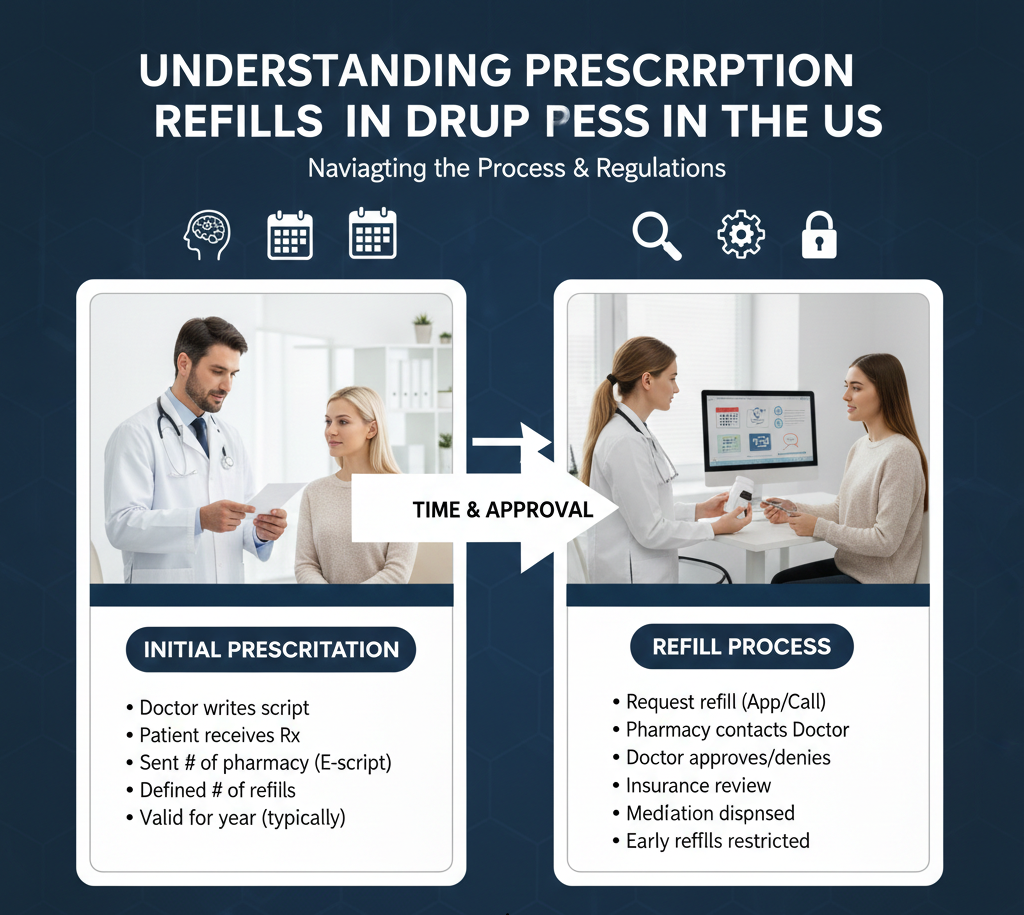
Prescription refills are an essential part of managing ongoing health conditions, allowing patients to continue treatment without interruption. However, refill rules in the United States can sometimes feel confusing due to varying laws, insurance policies, and medication classifications.
Understanding how prescription refills work helps patients avoid delays, maintain consistent treatment, and stay compliant with healthcare regulations. Whether someone takes medications for anxiety, chronic pain, depression, blood pressure, or other medical conditions, knowing when and how to request refills is an important part of responsible medication management.
This guide explains how prescription refills function in the US, including legal considerations, refill limits, insurance factors, and best practices for safe and efficient medication use.
What Is a Prescription Refill?
A prescription refill allows a pharmacist to dispense additional medication without requiring a new prescription from a healthcare provider. When a doctor writes a prescription, they may include a specific number of refills authorized for future use.
Key Elements of a Prescription:
-
Medication name and strength
-
Dosage instructions
-
Quantity dispensed
-
Number of authorized refills
-
Expiration date of the prescription
Once all authorized refills are used or the prescription expires, patients must contact their healthcare provider for renewal.
How the Prescription Refill Process Works
The refill process is generally straightforward but involves coordination between patients, pharmacies, and healthcare providers.
Typical Refill Steps:
-
Patient requests a refill through a pharmacy app, phone call, or in person.
-
Pharmacy checks refill authorization on file.
-
If refills remain, the medication is prepared for pickup or delivery.
-
If no refills remain, the pharmacy may contact the prescribing provider for approval.
-
Patient receives medication after processing and verification.
Some pharmacies offer automatic refill programs or reminders to help patients stay on schedule.
Refill Limits Based on Medication Type
Refill policies vary depending on whether a medication is classified as controlled or non-controlled.
Non-Controlled Medications
Many chronic condition medications, such as blood pressure or antidepressants, may include multiple refills lasting several months.
Controlled Substances
Controlled medications are subject to stricter federal and state regulations.
Common Controlled Substance Rules:
-
Schedule II medications typically do not allow refills; a new prescription is required each time.
-
Schedule III and IV medications may allow limited refills within a certain time frame.
-
Pharmacies closely monitor dispensing to prevent misuse.
Because rules vary, patients should always confirm refill policies with their pharmacist or healthcare provider.
Prescription Expiration Dates
Prescriptions are valid only for a limited period.
Typical Validity Periods in the US:
-
Non-controlled medications may remain valid for up to one year.
-
Controlled substances often have shorter validity windows depending on their classification.
Once a prescription expires, a new prescription must be issued before additional medication can be dispensed.
Insurance and Refill Policies
Insurance plans often influence when and how prescriptions can be refilled.
Common Insurance Rules:
-
Refill allowed after a certain percentage of medication has been used
-
Quantity limits per refill
-
Requirements for generic substitution
-
Prior authorization for certain medications
Patients should review their insurance benefits to understand coverage limitations and avoid unexpected costs.
Early Refills and Emergency Situations
Sometimes patients need medication before their scheduled refill date.
Reasons for Early Refills:
-
Lost or damaged medication
-
Travel plans
-
Dose changes
-
Emergencies or natural disasters
Pharmacies may provide early refills depending on insurance approval, prescriber authorization, and legal regulations. Communication with healthcare providers is essential when requesting early refills.
Automatic Refills and Medication Synchronization
Many pharmacies offer services that simplify refill management.
Automatic Refill Programs
These programs refill medications on schedule and notify patients when prescriptions are ready.
Medication Synchronization
Patients taking multiple medications can coordinate refill dates to receive all prescriptions at once, reducing pharmacy visits and improving adherence.
When a Prescription Requires Renewal
A prescription renewal occurs when all authorized refills have been used or when the prescription expires.
Common Reasons for Renewal Requests:
-
Routine check-ins with healthcare providers
-
Monitoring medication effectiveness
-
Adjusting treatment plans
-
Updating medical records
Healthcare providers may require follow-up appointments before renewing certain medications, especially those with higher safety risks.
Common Challenges With Prescription Refills
Patients may encounter delays or issues during the refill process.
Typical Challenges Include:
-
No refills remaining
-
Insurance rejections
-
Pharmacy stock shortages
-
Changes in provider or pharmacy
-
Controlled substance restrictions
Planning ahead and requesting refills several days before running out can help avoid interruptions.
Safe Medication Practices During Refills
Maintaining medication safety is just as important as obtaining refills.
Helpful Safety Tips:
-
Check labels and dosage instructions each time
-
Store medications securely
-
Avoid sharing prescriptions
-
Review medication changes with healthcare providers
-
Track side effects or health changes
These practices help ensure medications remain effective and safe throughout treatment.
The Role of Pharmacists in Prescription Refills
Pharmacists play a key role in patient care during the refill process.
Pharmacist Responsibilities Include:
-
Verifying prescriptions and refill authorizations
-
Checking for drug interactions
-
Providing medication counseling
-
Ensuring proper labeling and dosing instructions
-
Coordinating with healthcare providers
Patients are encouraged to ask pharmacists questions about their medications and refill schedules.
Digital Tools for Managing Refills
Technology has made managing prescriptions easier than ever.
Common Digital Solutions:
-
Pharmacy mobile apps
-
Online refill requests
-
Automated reminders
-
Telehealth consultations
-
Electronic prescriptions
Using these tools can reduce missed doses and simplify ongoing medication management.
Conclusion
Understanding prescription refills in the US helps patients stay on track with their medications while following legal and safety guidelines. From refill authorizations and expiration dates to insurance rules and controlled substance regulations, many factors influence how and when medications can be refilled.
By planning ahead, communicating openly with healthcare providers and pharmacists, and using modern digital tools, patients can avoid interruptions and maintain consistent treatment. Staying informed about refill policies empowers individuals to take an active role in their health and ensures that medications continue to support long-term well-being.
FAQs
Is guilt a symptom of depression?
Yes, excessive or guilt is listed as a core symptom of Major Depressive Disorder in the DSM-5.
Can guilt cause depression?
While guilt alone doesn’t cause depression, chronic guilt can contribute to its development and worsen existing symptoms.
How do I stop feeling guilty when depressed?
Working with a therapist, practicing self-compassion, and potentially using medication can help manage guilt associated with depression.

Contact us
Have questions? Reach out and we’ll get back to you shortly.
Content
Guilt and Depression at a Glance
How Guilt and Depression Interact
Coping When You’re
Depressed and Feeling Guilty
Evidence-Based Treatments
When to Seek Help
How Loved Ones Can Help
FAQs