
Blog
Understanding Medication Side Effects

Author:
Medical Writer
Saya Des Marais

Medical Reviewer:
Dr. Russell A. Barkley, Ph.D
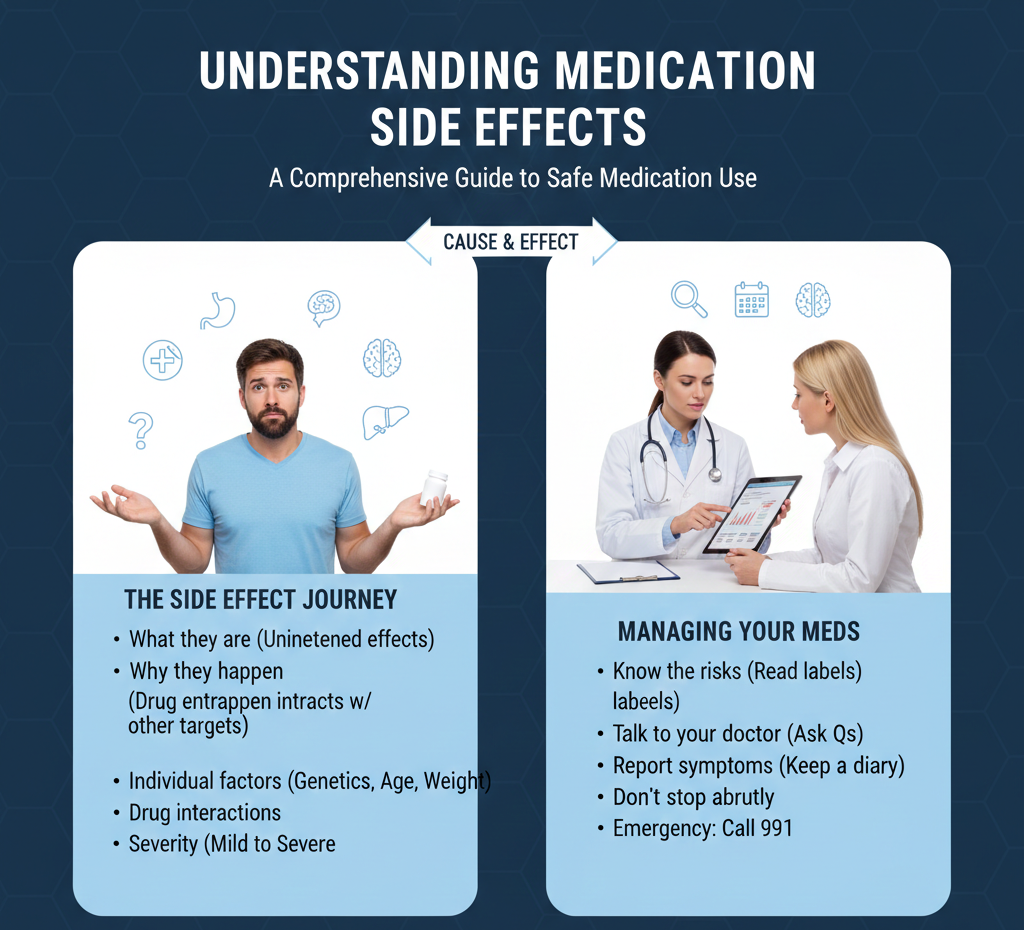
Medications are designed to treat health conditions, relieve symptoms, and improve quality of life. However, like all medical treatments, they can sometimes cause side effects. Understanding medication side effects is an important part of safe and informed healthcare. Knowing what to expect helps patients recognize normal reactions, identify potential warning signs, and communicate effectively with healthcare providers.
Many people feel anxious when they read about possible side effects, but it is important to remember that not everyone experiences them. Most side effects are mild and temporary, while serious reactions are less common. Learning the difference between expected reactions and more concerning symptoms can help you use medications confidently and responsibly.
What Are Medication Side Effects?
Medication side effects are unintended symptoms or reactions that occur when taking a drug. These effects can vary from mild discomfort to more serious health concerns depending on the medication, dosage, and individual patient factors.
Side effects may occur because medications influence multiple systems in the body. For example, a drug designed to calm anxiety might also affect alertness or energy levels. Understanding this connection helps patients recognize why certain reactions occur.
Side effects can include:
-
Physical symptoms such as nausea or dizziness
-
Changes in mood or sleep patterns
-
Digestive issues
-
Skin reactions
-
Headaches or fatigue
Each medication has its own potential side effects, which are usually listed in patient information materials and discussed by healthcare providers.
Why Do Side Effects Happen?
Side effects occur for several reasons. The human body is complex, and medications often affect more than one biological pathway. Some common causes include:
Interaction With Multiple Systems
A drug may target one part of the body but influence others as well. For example, medications that affect the nervous system can sometimes impact coordination or concentration.
Individual Differences
Age, weight, metabolism, genetics, and overall health all influence how a person responds to medication. What feels mild to one person might feel stronger to another.
Dosage Levels
Higher doses may increase the likelihood of side effects. Following prescribed instructions helps reduce risks.
Drug Interactions
Combining medications, supplements, or alcohol may change how drugs work and increase the chance of unwanted reactions.
Understanding these factors can help patients recognize that side effects are often predictable and manageable.
Types of Medication Side Effects
Side effects vary widely depending on the type of medication. They are generally grouped into several categories.
Common Side Effects
These are mild reactions that many patients experience and often improve as the body adjusts. Examples include mild nausea, drowsiness, or dry mouth.
Moderate Side Effects
These may require monitoring or medical advice but are not typically dangerous. Examples include persistent fatigue or mild allergic skin reactions.
Serious Side Effects
Some reactions require immediate medical attention, such as severe allergic responses, breathing difficulties, or sudden swelling.
Healthcare providers usually explain which side effects are expected and which require urgent care.
How to Recognize Normal vs Concerning Symptoms
Understanding the difference between expected and serious side effects can reduce anxiety and improve safety.
Usually Mild or Temporary
-
Mild headaches
-
Temporary dizziness
-
Minor digestive discomfort
-
Slight fatigue
Potentially Serious
-
Difficulty breathing
-
Severe chest pain
-
Sudden confusion
-
Severe allergic reactions
-
Uncontrolled vomiting or seizures
If you are unsure about any reaction, contact a healthcare professional promptly.
Factors That Increase the Risk of Side Effects
Some individuals may be more likely to experience side effects based on certain factors.
-
Older adults or young children
-
People taking multiple medications
-
Individuals with chronic medical conditions
-
Patients with allergies or sensitivities
-
Changes in kidney or liver function
Discussing your full medical history with your doctor helps reduce risks and allows for safer medication selection.
How to Reduce the Risk of Side Effects
While not all side effects can be prevented, several steps can help minimize risks.
Follow Instructions Carefully
Always take medications exactly as prescribed, including dosage, timing, and food requirements.
Avoid Mixing Substances Without Guidance
Inform your healthcare provider about all medications, supplements, and herbal products you use.
Start Slowly When Recommended
Some medications are introduced at lower doses to allow the body to adjust gradually.
Monitor Your Response
Keep track of any changes in symptoms or mood, especially when starting a new medication.
What to Do If You Experience Side Effects
If you notice side effects, take the following steps:
-
Read your medication guide to check whether the symptom is listed.
-
Contact your pharmacist or doctor if symptoms persist or worsen.
-
Avoid stopping medication suddenly unless advised by a professional.
-
Seek emergency care for severe or life-threatening reactions.
Communication with healthcare providers helps ensure safe and effective treatment.
Talking to Your Doctor About Side Effects
Open communication with your doctor is essential for managing side effects. Consider discussing:
-
Your full medication list
-
Any previous drug reactions
-
Changes in health or lifestyle
-
Questions about expected side effects
-
Concerns about long-term safety
Healthcare providers may adjust the dose, switch medications, or suggest supportive strategies if needed.
The Role of Pharmacists in Medication Safety
Pharmacists are valuable resources for understanding medication risks. They can explain how drugs work, review potential interactions, and provide guidance on managing mild side effects.
Do not hesitate to ask questions when picking up a new prescription. Even small clarifications can help prevent confusion and improve treatment outcomes.
Common Misconceptions About Medication Side Effects
Many patients believe that experiencing side effects means a medication is unsafe or ineffective. In reality, some mild reactions are normal as the body adapts. Others may think that reading about side effects means they will definitely occur, which is not true.
Understanding probabilities rather than assumptions helps patients make balanced decisions about treatment.
Conclusion
Medication side effects are a natural part of many treatments, but they should not prevent you from benefiting from necessary care. By learning how side effects occur, recognizing warning signs, and following professional guidance, you can use medications safely and effectively.
Always read medication instructions carefully, monitor how you feel after starting a new treatment, and communicate openly with healthcare providers. With the right knowledge and support, most side effects can be managed successfully, allowing you to focus on improving your health and well-being.
FAQs
Is guilt a symptom of depression?
Yes, excessive or guilt is listed as a core symptom of Major Depressive Disorder in the DSM-5.
Can guilt cause depression?
While guilt alone doesn’t cause depression, chronic guilt can contribute to its development and worsen existing symptoms.
How do I stop feeling guilty when depressed?
Working with a therapist, practicing self-compassion, and potentially using medication can help manage guilt associated with depression.

Contact us
Have questions? Reach out and we’ll get back to you shortly.
Content
Guilt and Depression at a Glance
How Guilt and Depression Interact
Coping When You’re
Depressed and Feeling Guilty
Evidence-Based Treatments
When to Seek Help
How Loved Ones Can Help
FAQs