Blog
Understanding Different Types of Anxiety Disorders


Anxiety is a natural response to stress or danger. Everyone experiences feelings of worry or nervousness at some point in life. However, when anxiety becomes persistent, overwhelming, and interferes with daily activities, it may develop into an anxiety disorder. Anxiety disorders are among the most common mental health conditions worldwide, affecting millions of people across all age groups.
Understanding the different types of anxiety disorders is essential for recognizing symptoms early and seeking appropriate treatment. With proper care, therapy, and medication when needed, individuals can successfully manage anxiety and improve their quality of life.
What Are Anxiety Disorders?
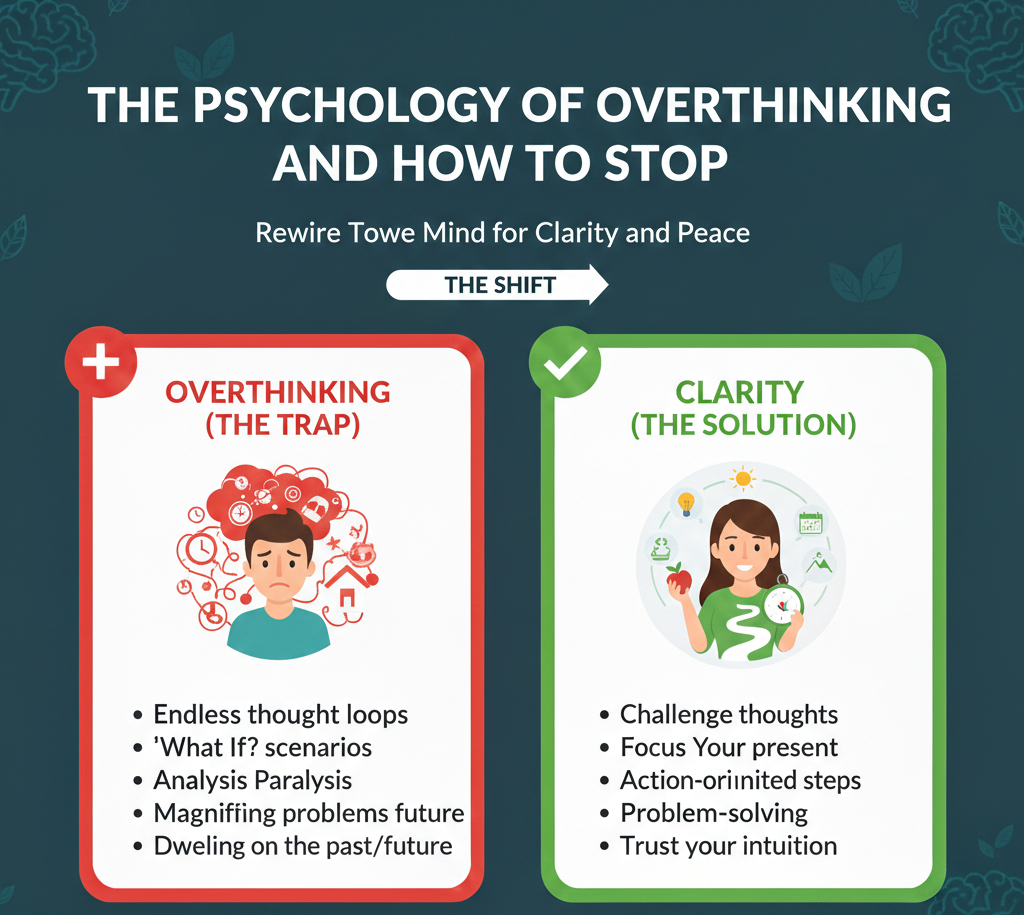
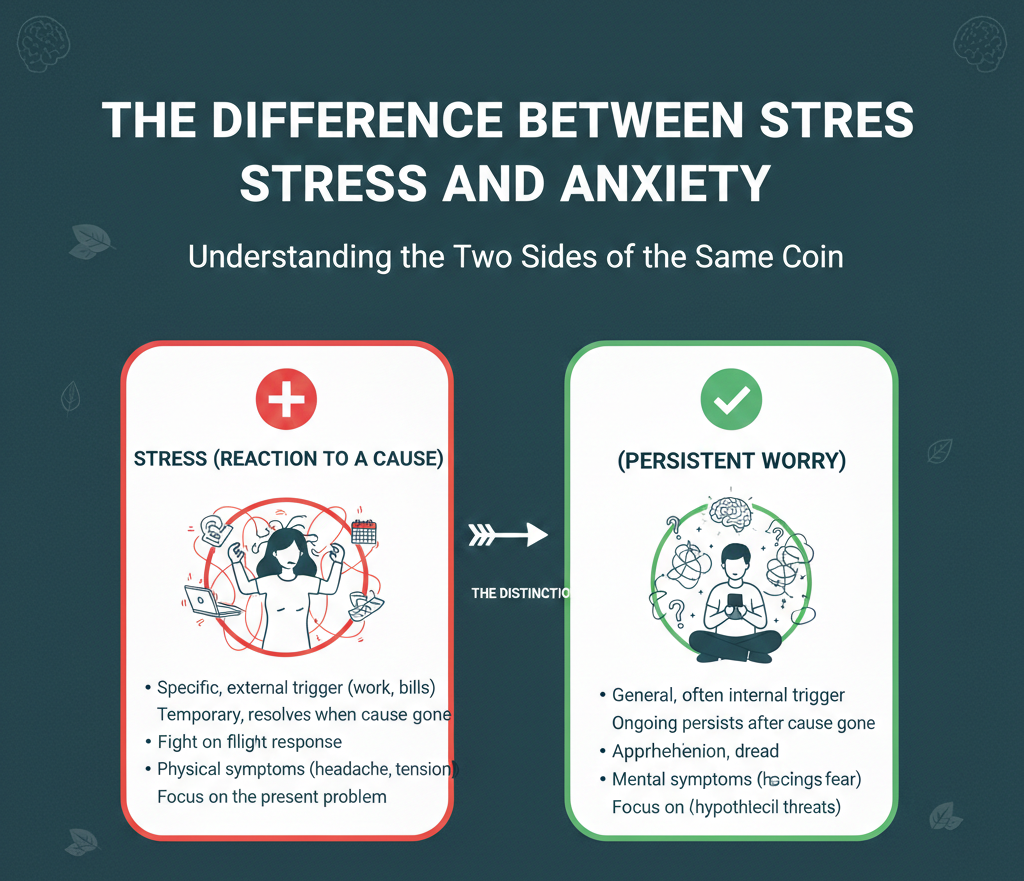
Anxiety disorders are a group of mental health conditions characterized by excessive fear, worry, or nervousness that goes beyond normal emotional responses. Unlike temporary anxiety caused by specific situations, anxiety disorders often persist for months or even years.
These conditions can impact work performance, relationships, sleep patterns, and overall well-being. Anxiety disorders are treatable, but many individuals delay seeking help due to lack of awareness or stigma surrounding mental health.
Common Types of Anxiety Disorders
1. Generalized Anxiety Disorder (GAD)
Generalized Anxiety Disorder is one of the most common forms of anxiety. People with GAD experience constant and excessive worry about everyday matters such as health, finances, work, or family responsibilities—even when there is little or no reason for concern.
Common Symptoms:
-
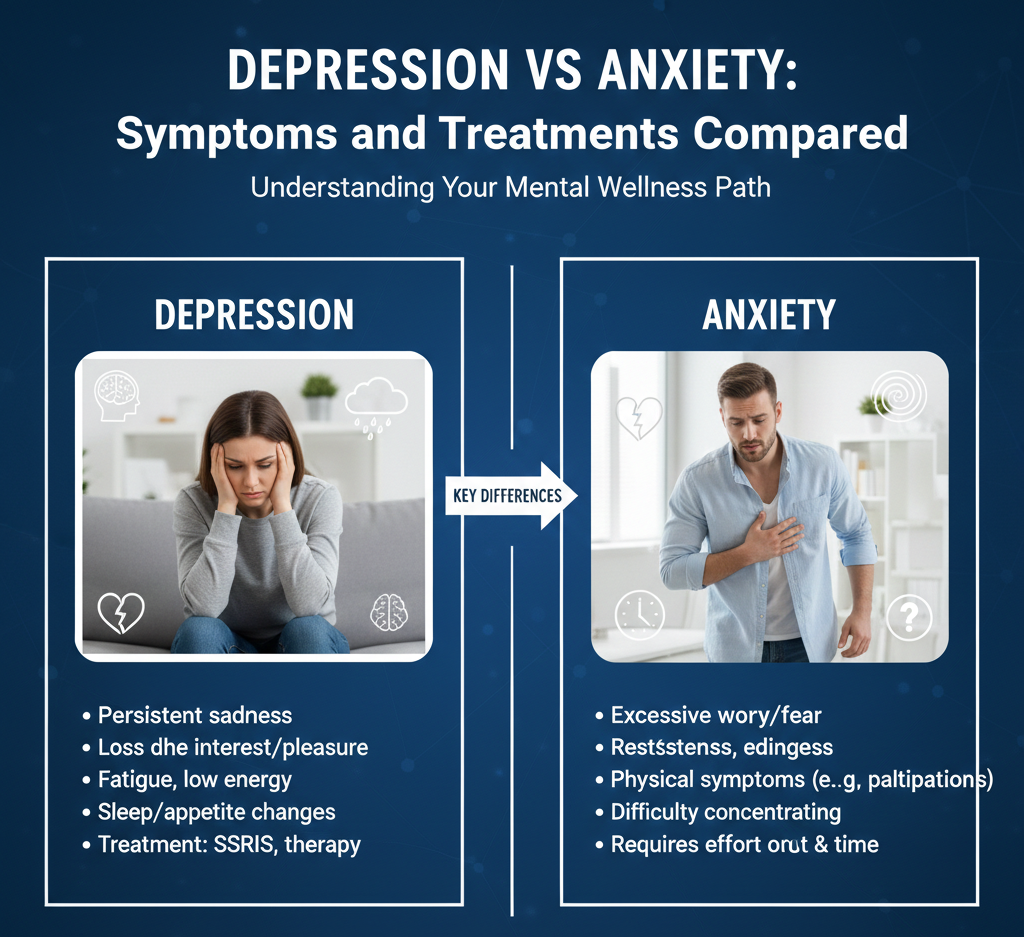
Persistent worrying
-
Restlessness or feeling on edge
-
Difficulty concentrating
-
Muscle tension
-
Fatigue
-
Sleep disturbances
GAD symptoms often develop gradually and may worsen during stressful life events.
2. Panic Disorder
Panic disorder involves recurring and unexpected panic attacks—intense episodes of fear that occur suddenly and without warning. These attacks can feel overwhelming and may mimic symptoms of serious medical conditions such as heart attacks.
Symptoms of Panic Attacks Include:
-
Rapid heartbeat
-
Shortness of breath
-
Chest pain
-
Sweating
-
Dizziness
-
Fear of losing control or dying
People with panic disorder may begin avoiding places or situations where previous attacks occurred, leading to lifestyle limitations.
3. Social Anxiety Disorder
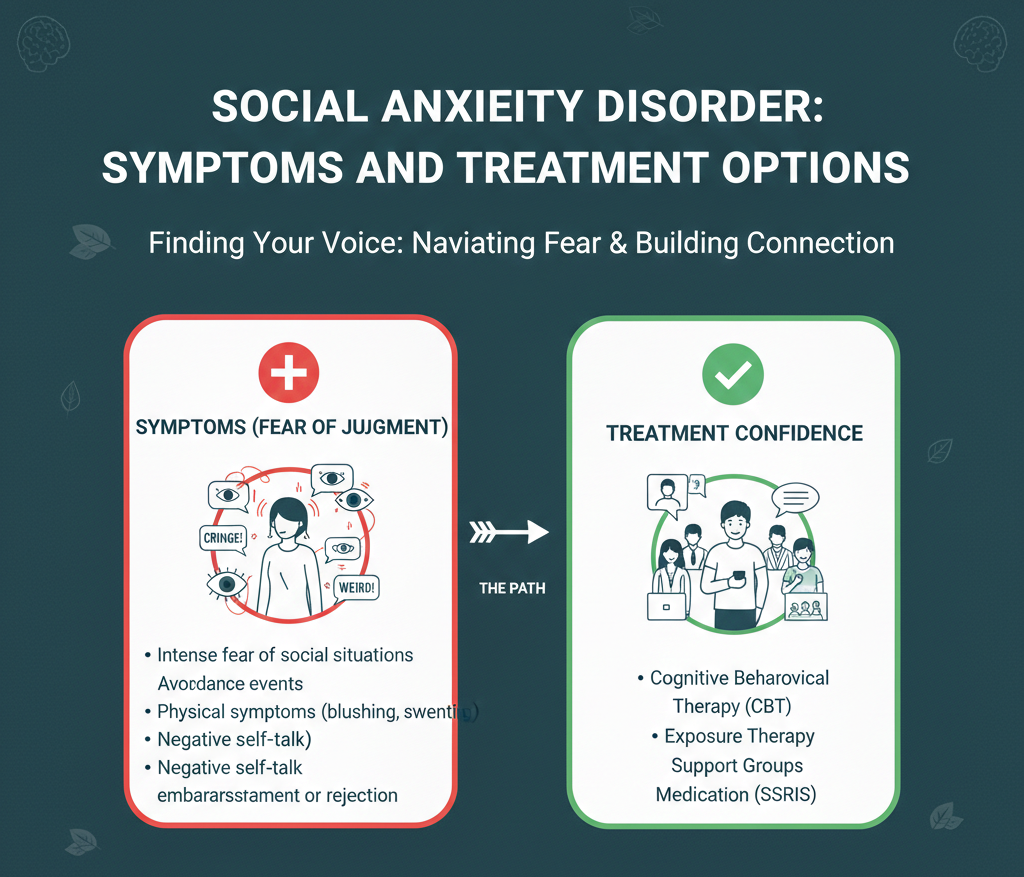
Social Anxiety Disorder, also known as social phobia, involves intense fear of social situations or being judged by others. Individuals may feel extreme embarrassment or fear humiliation during interactions such as public speaking, meetings, or social gatherings.
Common Signs:
-
Fear of speaking in public
-
Avoiding social events
-
Excessive self-consciousness
-
Difficulty making eye contact
-
Physical symptoms like sweating or trembling
This condition can significantly affect personal relationships and career opportunities if left untreated.
4. Specific Phobias
Specific phobias are intense fears related to particular objects or situations. While many people have fears, phobias cause extreme anxiety that disrupts daily life.
Examples Include:
-
Fear of heights (Acrophobia)
-
Fear of flying
-
Fear of animals
-
Fear of injections or medical procedures
-
Fear of enclosed spaces (Claustrophobia)
Individuals often go to great lengths to avoid triggers, even when they recognize the fear is irrational.
5. Obsessive-Compulsive Disorder (OCD)
Although now categorized separately in diagnostic manuals, OCD is closely related to anxiety disorders. It involves recurring unwanted thoughts (obsessions) and repetitive behaviors (compulsions) performed to reduce anxiety.
Examples:
-
Excessive hand washing
-
Repeated checking behaviors
-
Fear of contamination
-
Need for symmetry or order
Without treatment, OCD can consume significant time and interfere with normal functioning.
6. Post-Traumatic Stress Disorder (PTSD)
PTSD develops after experiencing or witnessing a traumatic event such as accidents, violence, natural disasters, or military combat.
Symptoms May Include:
-
Flashbacks or nightmares
-
Emotional numbness
-
Avoidance of reminders
-
Hypervigilance
-
Sleep problems
PTSD can occur shortly after trauma or appear months or years later.
Causes of Anxiety Disorders
Anxiety disorders usually result from a combination of factors rather than a single cause.
Biological Factors
-
Brain chemistry imbalance
-
Genetic predisposition
-
Hormonal changes
Psychological Factors
-
Personality traits
-
Chronic stress
-
Negative thinking patterns
Environmental Factors
-
Trauma or abuse
-
Major life changes
-
Financial or relationship stress
Understanding these causes helps healthcare professionals design effective treatment plans.
Diagnosis of Anxiety Disorders
A healthcare provider or mental health professional typically diagnoses anxiety disorders through:
-
Psychological evaluation
-
Discussion of symptoms and medical history
-
Physical examinations to rule out other conditions
Early diagnosis is important because untreated anxiety may lead to depression, substance misuse, or chronic health issues.
Treatment Options for Anxiety Disorders
Effective treatments are available, and many individuals experience significant improvement with proper care.
1. Psychotherapy
Cognitive Behavioral Therapy (CBT) is one of the most effective treatments. It helps individuals identify negative thought patterns and develop healthier coping strategies.
2. Medications
Doctors may prescribe medications depending on symptom severity, including:
-
Selective Serotonin Reuptake Inhibitors (SSRIs)
-
Anti-anxiety medications
-
Beta-blockers
-
Short-term sedatives when necessary
Medication should always be taken under medical supervision.
3. Lifestyle Changes
Healthy habits can greatly support anxiety management:
-
Regular physical activity
-
Balanced diet
-
Adequate sleep
-
Limiting caffeine and alcohol
-
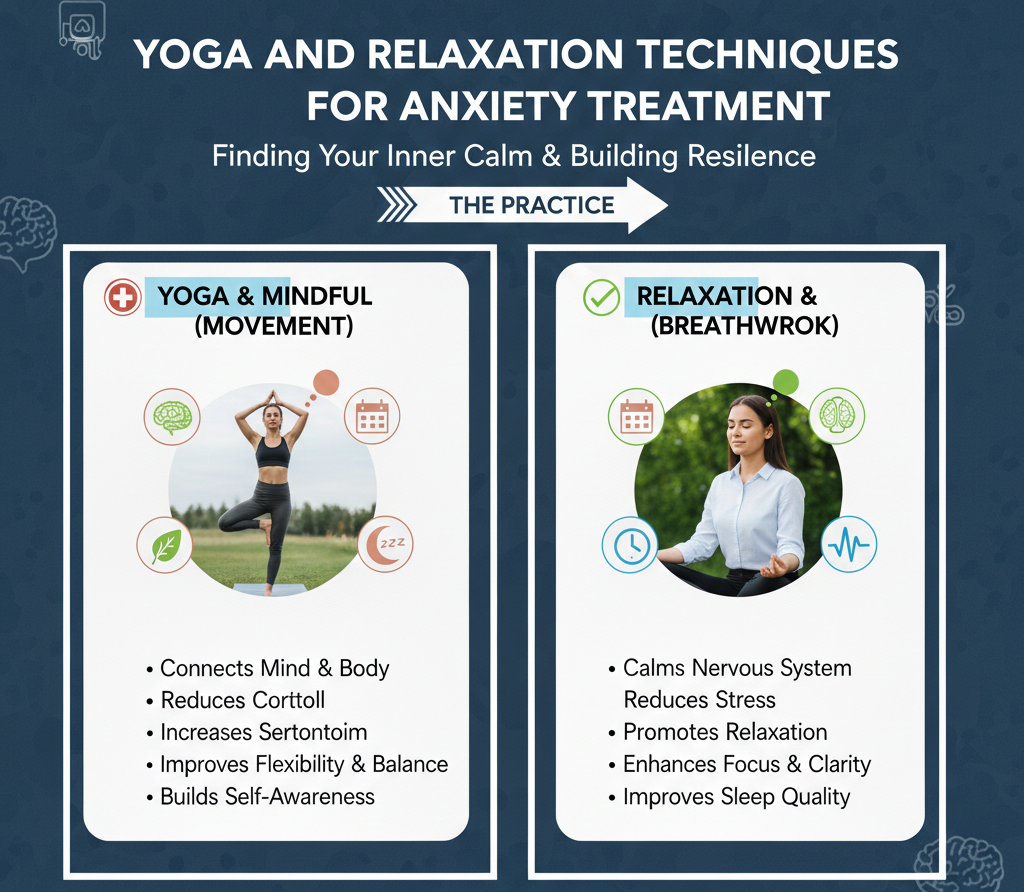
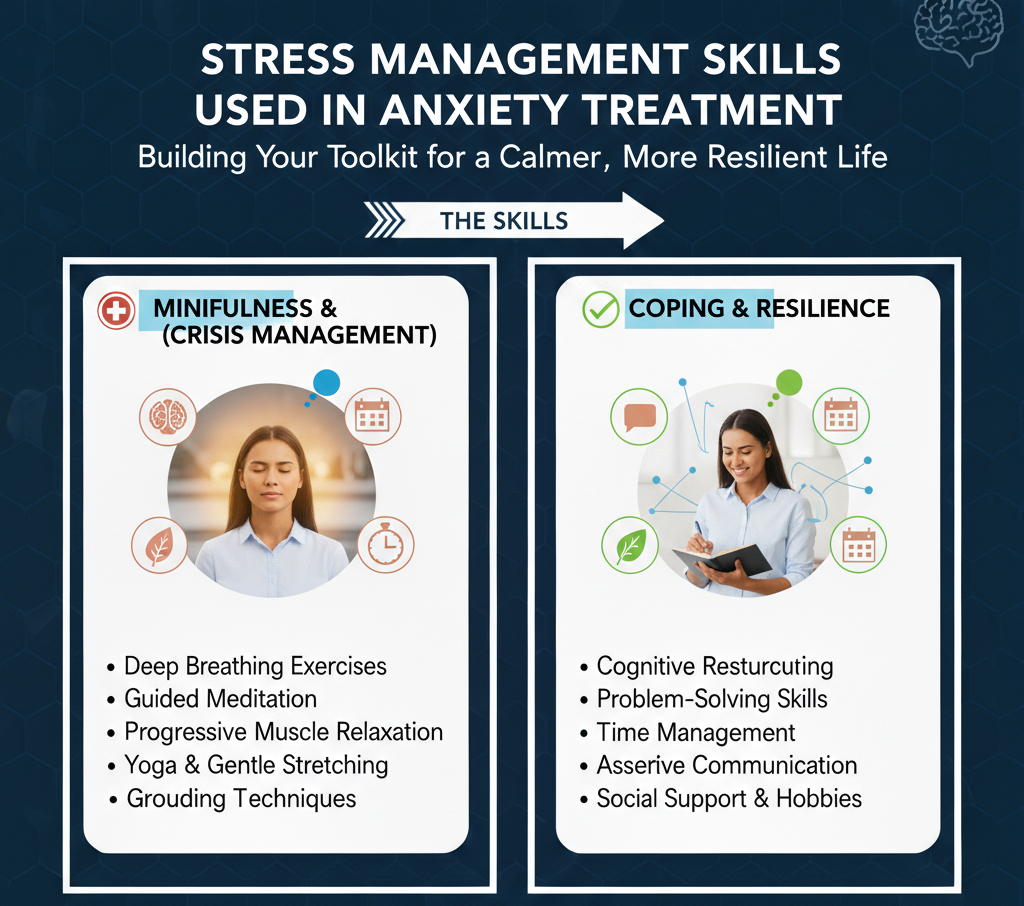
Mindfulness and relaxation techniques
When to Seek Professional Help
Occasional anxiety is normal, but professional help should be considered if:
-
Anxiety interferes with daily life
-
Symptoms persist for several weeks or months
-
Panic attacks occur frequently
-
Sleep or concentration becomes difficult
-
Avoidance behaviors increase
Early treatment improves recovery outcomes and prevents symptoms from worsening.
Living Well With Anxiety
Managing anxiety is an ongoing process, but recovery is possible. Many individuals successfully control symptoms through therapy, medication, and self-care practices. Building supportive relationships and maintaining open communication with healthcare providers are also important steps toward emotional well-being.
Mental health awareness continues to grow, helping reduce stigma and encouraging more people to seek help. Recognizing anxiety disorders as medical conditions—not personal weaknesses—is key to effective treatment and recovery.
Final Thoughts
Anxiety disorders come in many forms, each with unique symptoms and challenges. Understanding these different types allows individuals to recognize warning signs and seek timely support. With advancements in mental health treatment and increased awareness, managing anxiety has become more achievable than ever.
If you or someone you know struggles with persistent anxiety, consulting a healthcare professional can be the first step toward a healthier and more balanced life.