
Blog
Types of Anxiety Medications Explained

Author:
Medical Writer
Saya Des Marais

Medical Reviewer:
Dr. Russell A. Barkley, Ph.D
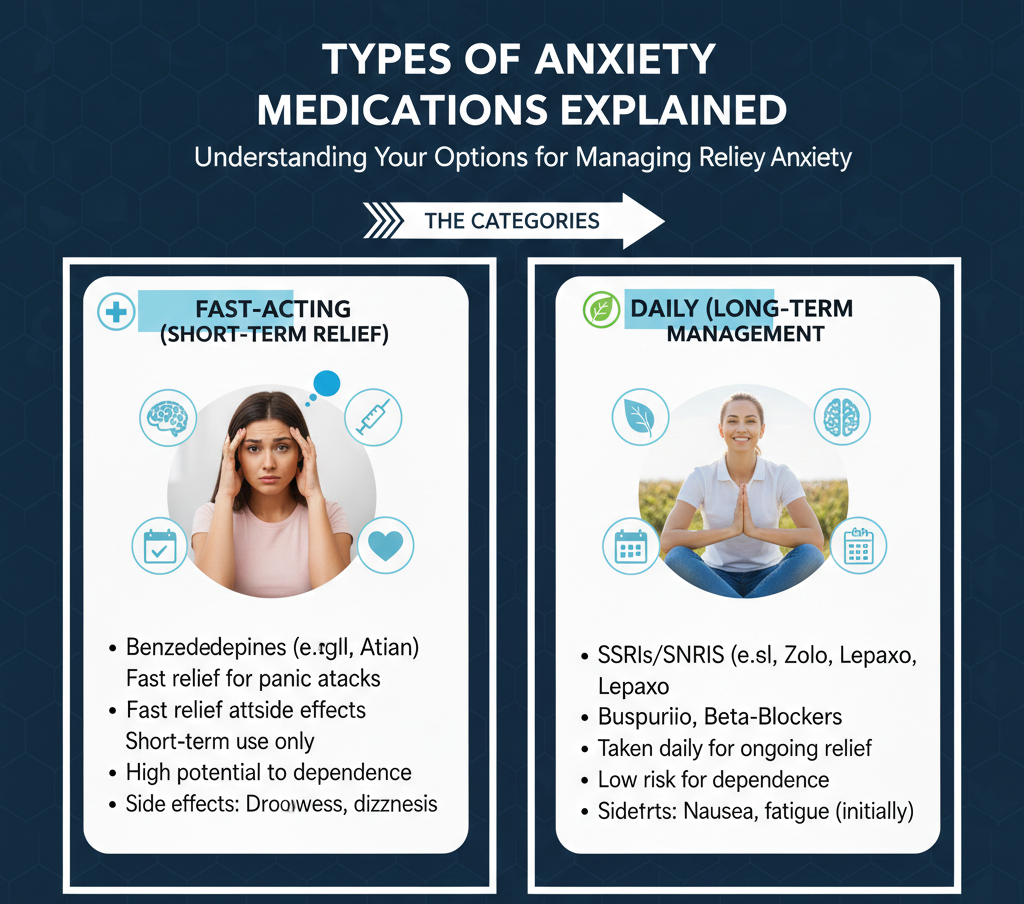
Anxiety disorders affect millions of people worldwide and can interfere with daily life, relationships, and overall well-being. While therapy and lifestyle changes play a major role in managing symptoms, medications are often prescribed when anxiety becomes persistent or severe. Understanding the different types of anxiety medications can help individuals feel more informed and confident when discussing treatment options with their healthcare providers.
This guide explains the main categories of anxiety medications, how they work, their benefits, potential risks, and important safety considerations.
Understanding Anxiety and Medication Treatment
Anxiety is a natural response to stress, but when it becomes overwhelming or chronic, it may require professional treatment. Common anxiety disorders include generalized anxiety disorder (GAD), panic disorder, social anxiety disorder, and specific phobias.
Medications aim to:
-
Reduce excessive worry and fear
-
Stabilize mood and emotional responses
-
Improve sleep and concentration
-
Prevent panic attacks
Different medications target specific brain chemicals and nervous system responses. Doctors choose treatments based on symptoms, medical history, and individual needs.
1. Selective Serotonin Reuptake Inhibitors (SSRIs)
SSRIs are often considered first-line medications for long-term anxiety management. They work by increasing serotonin levels in the brain, which helps regulate mood and emotional stability.
Common Uses
-
Generalized anxiety disorder
-
Social anxiety disorder
-
Panic disorder
-
Obsessive-compulsive symptoms
Benefits
-
Effective for long-term symptom control
-
Lower risk of dependency compared to some other medications
-
Often improve both anxiety and depression symptoms
Considerations
-
May take several weeks to show full effects
-
Possible side effects include nausea, headaches, or sleep changes
-
Gradual dose adjustments are usually required
SSRIs are typically part of a comprehensive treatment plan that includes therapy and lifestyle modifications.
2. Serotonin-Norepinephrine Reuptake Inhibitors (SNRIs)
SNRIs increase both serotonin and norepinephrine levels, which influence mood, stress response, and energy levels.
Common Uses
-
Generalized anxiety disorder
-
Panic disorder
-
Anxiety linked with chronic pain or fatigue
Benefits
-
Effective for individuals who do not respond to SSRIs
-
May improve energy and focus
-
Useful for anxiety accompanied by physical discomfort
Considerations
-
Similar side effects to SSRIs
-
May require careful monitoring during dose changes
-
Not suitable for everyone, especially those with certain health conditions
SNRIs are often recommended when patients need broader symptom management beyond mood stabilization alone.
3. Benzodiazepines
Benzodiazepines are fast-acting medications that calm the nervous system by enhancing the effects of a neurotransmitter called GABA. They are usually prescribed for short-term or situational anxiety relief.
Common Uses
-
Severe panic attacks
-
Acute anxiety episodes
-
Short-term stress management
Benefits
-
Rapid symptom relief
-
Effective for sudden or intense anxiety
-
Helpful during crisis situations
Considerations
-
Risk of tolerance and dependence with long-term use
-
Can cause drowsiness or impaired coordination
-
Usually prescribed for short durations under close medical supervision
Because of potential risks, healthcare providers carefully evaluate when benzodiazepines are appropriate.
4. Buspirone
Buspirone is a non-benzodiazepine medication commonly used for generalized anxiety disorder. It works differently from traditional sedatives and has a lower risk of dependency.
Benefits
-
Suitable for long-term use
-
Less sedating than benzodiazepines
-
Lower risk of misuse
Considerations
-
Effects may take a few weeks to appear
-
Not typically used for panic attacks or severe anxiety episodes
-
Requires consistent daily dosing
Buspirone may be recommended for individuals seeking a non-sedative option.
5. Beta-Blockers
Beta-blockers are not traditional psychiatric medications but can help control the physical symptoms of anxiety, such as rapid heartbeat, trembling, or sweating.
Common Uses
-
Performance anxiety
-
Situational stress
-
Physical symptoms related to nervousness
Benefits
-
Fast relief of physical symptoms
-
Helpful for public speaking or performance situations
-
Non-addictive when used appropriately
Considerations
-
Do not treat emotional anxiety directly
-
May not be suitable for individuals with certain heart or respiratory conditions
These medications are often used on an as-needed basis rather than daily.
6. Tricyclic Antidepressants (TCAs) and Other Older Medications
Although less commonly prescribed today, some older antidepressants may still be used for anxiety when newer treatments are not effective.
Benefits
-
Useful in treatment-resistant cases
-
May help with chronic pain or insomnia
Considerations
-
Higher risk of side effects
-
Require careful monitoring
-
Usually not the first treatment choice
Healthcare providers may recommend these medications when other options have not provided sufficient relief.
How Doctors Choose the Right Anxiety Medication
Selecting the right medication involves several factors:
-
Type and severity of anxiety disorder
-
Presence of depression or other mental health conditions
-
Medical history and existing medications
-
Lifestyle and daily responsibilities
-
Risk factors for side effects or dependence
Doctors often start with lower doses and adjust gradually based on response and tolerability.
Possible Side Effects to Watch For
All medications can cause side effects, though not everyone experiences them. Common issues may include:
-
Drowsiness or fatigue
-
Headaches or dizziness
-
Changes in appetite or sleep
-
Digestive discomfort
Serious reactions are rare but should be reported to a healthcare provider immediately. Regular follow-ups help ensure safety and effectiveness.
Medication vs Therapy: A Combined Approach
Medication alone is rarely the only solution. Many healthcare providers recommend combining pharmacological treatment with therapy, such as cognitive behavioral therapy (CBT). Therapy helps individuals:
-
Identify triggers and coping strategies
-
Manage stress more effectively
-
Reduce reliance on medication over time
Lifestyle habits like exercise, proper nutrition, and good sleep hygiene also play an important role in managing anxiety.
Safety Tips When Taking Anxiety Medications
To use medications safely:
-
Follow your doctor’s instructions exactly
-
Avoid sudden discontinuation without guidance
-
Do not combine medications with alcohol unless approved
-
Inform healthcare providers about all other drugs or supplements
Responsible use reduces the risk of complications and improves treatment outcomes.
When to Seek Medical Advice
Consult a healthcare professional if:
-
Anxiety interferes with daily functioning
-
Symptoms worsen despite treatment
-
Side effects become difficult to manage
-
You experience panic attacks or severe mood changes
Prompt medical attention helps prevent complications and ensures that treatment remains effective.
Final Thoughts
Understanding the different types of anxiety medications empowers individuals to make informed decisions about their mental health. From SSRIs and SNRIs to benzodiazepines and beta-blockers, each category serves a specific purpose and may be appropriate depending on the individual’s symptoms and medical history.
The most successful anxiety treatment plans often combine medication, therapy, and healthy lifestyle practices. With proper medical supervision and a balanced approach, many people find meaningful relief and improved quality of life.
If you or someone you know is considering medication for anxiety, consult a qualified healthcare provider to explore the safest and most effective options tailored to your needs.
FAQs
Is guilt a symptom of depression?
Yes, excessive or guilt is listed as a core symptom of Major Depressive Disorder in the DSM-5.
Can guilt cause depression?
While guilt alone doesn’t cause depression, chronic guilt can contribute to its development and worsen existing symptoms.
How do I stop feeling guilty when depressed?
Working with a therapist, practicing self-compassion, and potentially using medication can help manage guilt associated with depression.

Contact us
Have questions? Reach out and we’ll get back to you shortly.
Content
Guilt and Depression at a Glance
How Guilt and Depression Interact
Coping When You’re
Depressed and Feeling Guilty
Evidence-Based Treatments
When to Seek Help
How Loved Ones Can Help
FAQs