
Blog
The Role of Gut Health in Anxiety Disorders

Author:
Medical Writer
Saya Des Marais

Medical Reviewer:
Dr. Russell A. Barkley, Ph.D
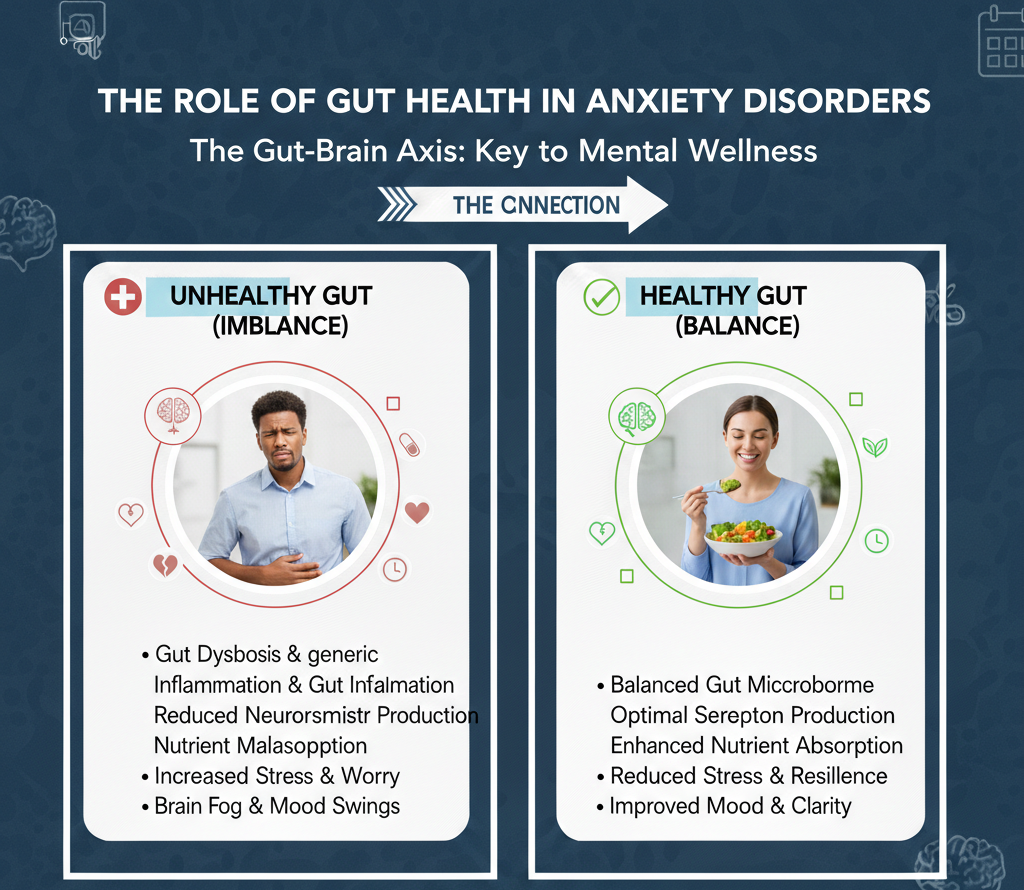
Anxiety disorders affect millions of people worldwide, impacting daily life, relationships, sleep, and overall well-being. While anxiety is often viewed primarily as a brain-based condition, emerging research highlights a powerful connection between the digestive system and mental health.
This connection — known as the gut-brain axis — suggests that gut health plays a significant role in anxiety disorders. Understanding this relationship may help individuals adopt supportive lifestyle strategies alongside professional treatment.
Understanding the Gut-Brain Axis
The gut and brain are in constant communication through a complex network of nerves, hormones, and biochemical signals. The vagus nerve acts as a major communication pathway, sending signals between the digestive system and the brain.
The gut is often referred to as the “second brain” because it contains its own nervous system — the enteric nervous system — which influences digestion and communicates with the central nervous system.
When gut health is disrupted, these communication pathways can become unbalanced, potentially influencing mood, stress response, and anxiety levels.
The Microbiome: Trillions of Tiny Influencers
Inside the digestive tract lives a community of trillions of bacteria, fungi, and microorganisms collectively known as the gut microbiome. These microorganisms play an essential role in digestion, immune function, and inflammation control.
More importantly, the microbiome influences the production of neurotransmitters such as serotonin, dopamine, and gamma-aminobutyric acid (GABA), which regulate mood and anxiety.
In fact, approximately 90% of serotonin — often called the “feel-good” neurotransmitter — is produced in the gut. When the microbiome is balanced, neurotransmitter production tends to function more effectively. However, an imbalance (known as dysbiosis) may contribute to mood instability and increased anxiety symptoms.
Inflammation and Anxiety
Chronic low-grade inflammation has been linked to several mental health disorders, including anxiety and depression. An unhealthy gut microbiome can increase intestinal permeability (sometimes referred to as “leaky gut”), allowing inflammatory compounds to enter the bloodstream.
These inflammatory signals may affect brain function and stress response systems.
Diets high in processed foods, refined sugars, and unhealthy fats may contribute to inflammation, while nutrient-rich, whole-food diets may help reduce it. Supporting gut health may therefore reduce inflammation and potentially ease anxiety symptoms.
Digestive Symptoms and Anxiety
Many people with anxiety disorders report digestive issues such as:
-
Bloating
-
Stomach discomfort
-
Irritable bowel symptoms
-
Nausea
-
Changes in bowel habits
This is not coincidental. Stress and anxiety can alter gut motility and sensitivity, while gut imbalances can worsen anxiety — creating a two-way cycle.
Addressing digestive health may help break this cycle and improve overall emotional well-being.
How Diet Impacts Gut Health and Anxiety
Diet plays a central role in shaping the microbiome. The foods you consume either nourish beneficial bacteria or promote harmful strains.
Foods That Support Gut Health
1. High-Fiber Foods
Fiber acts as fuel for beneficial gut bacteria. Whole grains, legumes, vegetables, fruits, and seeds help promote microbiome diversity.
2. Fermented Foods
Yogurt with live cultures, kefir, kimchi, sauerkraut, and miso contain probiotics that support microbial balance.
3. Omega-3 Fatty Acids
Fatty fish, walnuts, and flaxseeds reduce inflammation and support brain health.
4. Polyphenol-Rich Foods
Berries, green tea, dark chocolate, and olive oil contain antioxidants that promote beneficial bacteria growth.
Foods That May Disrupt Gut Health
-
Excess refined sugar
-
Highly processed foods
-
Artificial sweeteners (in large amounts)
-
Excessive alcohol
-
Diets low in fiber
Over time, these dietary patterns may reduce microbial diversity and increase inflammation, potentially worsening anxiety symptoms.
Probiotics and Anxiety: What Does Research Suggest?
Some studies suggest that certain probiotic strains may help reduce anxiety symptoms by improving gut microbial balance. These are sometimes referred to as “psychobiotics” — probiotics that influence mental health.
While research is still evolving, early findings indicate that probiotic supplementation may reduce stress-related symptoms in some individuals.
However, probiotics are not a replacement for therapy or medication. They may serve as a complementary approach when guided by a healthcare provider.
Stress, Cortisol, and the Gut
Chronic stress increases cortisol levels, which can negatively impact digestion and microbial balance. Elevated cortisol may:
-
Reduce beneficial bacteria
-
Increase gut permeability
-
Slow digestion
-
Worsen inflammation
This creates a feedback loop where stress disrupts gut health, and poor gut health worsens anxiety.
Stress-reduction strategies such as mindfulness, deep breathing, exercise, and adequate sleep can help support both gut and mental health.
Sleep and Gut Health
Poor sleep quality can disrupt the gut microbiome, while gut imbalances can interfere with sleep regulation. Anxiety, digestive discomfort, and insomnia often coexist.
Prioritizing consistent sleep patterns supports microbiome stability and emotional regulation.
Can Improving Gut Health Cure Anxiety?
While improving gut health can support anxiety management, it is not a standalone cure. Anxiety disorders are complex and influenced by genetics, environment, trauma history, brain chemistry, and lifestyle factors.
For moderate to severe anxiety, a comprehensive treatment plan may include:
-
Cognitive-behavioral therapy (CBT)
-
Stress-management strategies
-
Lifestyle changes
-
Prescription medications when appropriate
Supporting gut health can enhance overall treatment effectiveness but should not replace professional care.
Practical Steps to Support Gut Health
If you want to improve gut health as part of anxiety management, consider these practical steps:
-
Increase fiber gradually to avoid digestive discomfort.
-
Include fermented foods several times per week.
-
Limit processed and high-sugar foods.
-
Stay hydrated.
-
Manage stress through relaxation techniques.
-
Maintain consistent sleep patterns.
-
Consult a healthcare provider before starting probiotic supplements.
Small, consistent changes are more sustainable than drastic dietary overhauls.
The Future of Anxiety Treatment and Gut Research
Research into the gut-brain connection continues to grow. Scientists are exploring how microbiome-based therapies may complement traditional anxiety treatments in the future.
Although this field is still developing, current evidence strongly supports the importance of a balanced diet, reduced inflammation, and healthy lifestyle habits in promoting mental wellness.
Final Thoughts
The relationship between gut health and anxiety disorders highlights an important truth: mental health is deeply connected to physical health.
The gut-brain axis, microbiome balance, inflammation levels, and dietary patterns all influence how we feel emotionally.
While improving gut health alone may not eliminate anxiety, it can serve as a powerful supportive strategy within a broader treatment plan.
If you struggle with anxiety, consider discussing digestive health, diet, and lifestyle factors with your healthcare provider. Taking care of your gut may also mean taking care of your mind.
FAQs
Is guilt a symptom of depression?
Yes, excessive or guilt is listed as a core symptom of Major Depressive Disorder in the DSM-5.
Can guilt cause depression?
While guilt alone doesn’t cause depression, chronic guilt can contribute to its development and worsen existing symptoms.
How do I stop feeling guilty when depressed?
Working with a therapist, practicing self-compassion, and potentially using medication can help manage guilt associated with depression.

Contact us
Have questions? Reach out and we’ll get back to you shortly.
Content
Guilt and Depression at a Glance
How Guilt and Depression Interact
Coping When You’re
Depressed and Feeling Guilty
Evidence-Based Treatments
When to Seek Help
How Loved Ones Can Help
FAQs