
Blog
The Impact of Hormones on Anxiety Levels

Author:
Medical Writer
Saya Des Marais

Medical Reviewer:
Dr. Russell A. Barkley, Ph.D
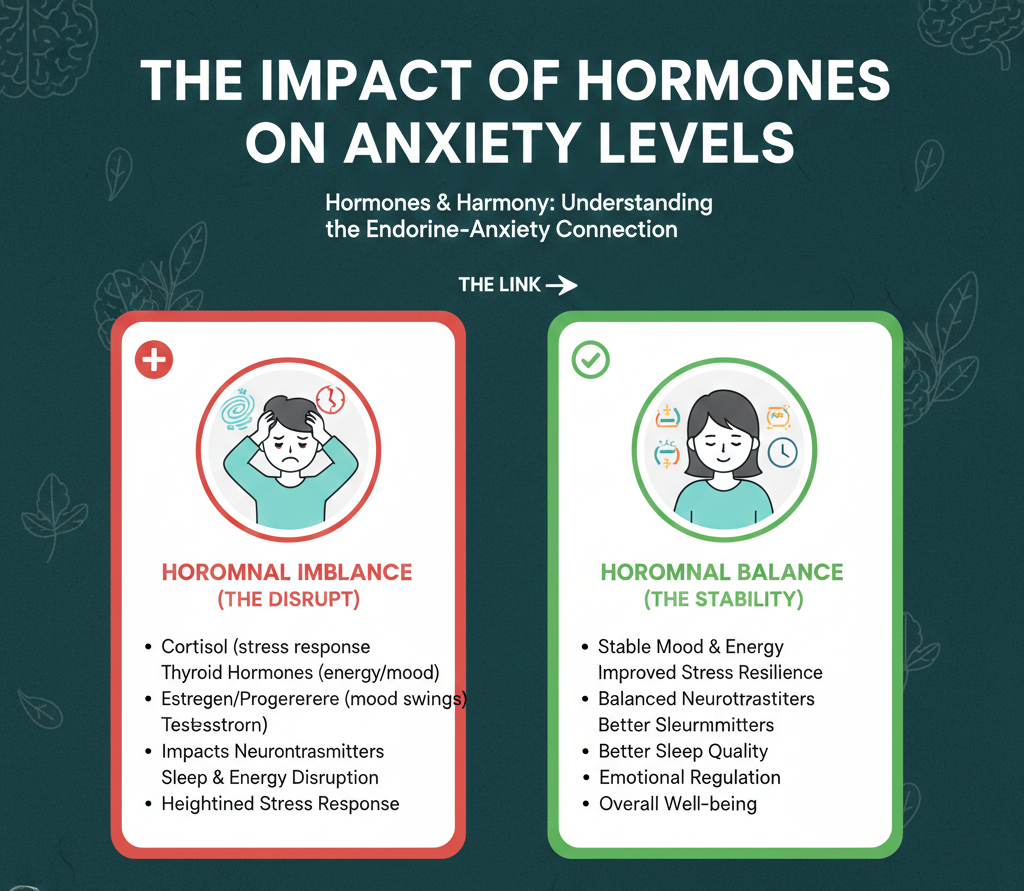
Anxiety is often thought of as purely psychological, but the reality is far more complex. While life stressors, trauma, and thought patterns certainly play a role, biological factors—especially hormones—can significantly influence anxiety levels. Hormones act as chemical messengers in the body, regulating everything from mood and sleep to metabolism and stress response. When these messengers are out of balance, anxiety symptoms can intensify.
Understanding the relationship between hormones and anxiety can help individuals identify root causes and explore more effective treatment strategies. Let’s explore how key hormones impact mental health and what can be done to restore balance.
Understanding Hormones and Their Role in Mental Health
Hormones are produced by the endocrine system and travel through the bloodstream to tissues and organs. They regulate essential functions including growth, metabolism, reproduction, and emotional stability. Even small hormonal shifts can trigger noticeable changes in mood and anxiety levels.
When hormone levels fluctuate—whether due to stress, menstrual cycles, pregnancy, menopause, or thyroid dysfunction—the brain’s chemistry also shifts. Neurotransmitters like serotonin and dopamine are closely influenced by hormonal activity, which directly affects anxiety regulation.
Cortisol: The Stress Hormone
Cortisol is often called the “stress hormone.” Produced by the adrenal glands, cortisol prepares the body for a fight-or-flight response. In short bursts, this response is helpful. However, chronic stress leads to consistently elevated cortisol levels.
How High Cortisol Triggers Anxiety:
-
Increased heart rate
-
Muscle tension
-
Restlessness
-
Sleep disturbances
-
Racing thoughts
When cortisol remains high over long periods, the nervous system stays in a heightened state of alertness. This can create persistent anxiety, panic attacks, and difficulty relaxing.
Reducing chronic stress through exercise, relaxation techniques, and proper sleep hygiene can significantly improve cortisol balance and anxiety symptoms.
Estrogen and Anxiety
Estrogen is commonly associated with female reproductive health, but it also plays a critical role in brain function. It influences serotonin production, a neurotransmitter responsible for mood stabilization.
Low estrogen levels—such as those experienced before menstruation, postpartum, or during menopause—can reduce serotonin availability. This may lead to increased anxiety, irritability, and mood swings.
Estrogen Fluctuations Occur During:
-
Premenstrual syndrome (PMS)
-
Pregnancy
-
Postpartum period
-
Perimenopause and menopause
Women are statistically more likely to experience anxiety disorders, and hormonal fluctuations are believed to be a major contributing factor.
Progesterone: The Calming Hormone
Progesterone works alongside estrogen but has a more calming effect on the brain. It enhances GABA activity, a neurotransmitter that promotes relaxation and reduces nervous tension.
When progesterone levels drop, individuals may experience:
-
Increased nervousness
-
Sleep problems
-
Heightened emotional sensitivity
-
Panic symptoms
The balance between estrogen and progesterone is essential. When estrogen dominates and progesterone is low, anxiety can worsen significantly.
Thyroid Hormones and Anxiety
The thyroid gland produces hormones that regulate metabolism. Both hyperthyroidism (overactive thyroid) and hypothyroidism (underactive thyroid) can influence anxiety levels.
Hyperthyroidism and Anxiety:
An overactive thyroid speeds up bodily functions, leading to symptoms that closely resemble anxiety:
-
Rapid heartbeat
-
Tremors
-
Sweating
-
Irritability
-
Insomnia
Because symptoms overlap, thyroid disorders are sometimes misdiagnosed as generalized anxiety disorder.
Hypothyroidism and Mood:
An underactive thyroid is more commonly associated with depression but can also cause anxiety due to cognitive slowing and emotional imbalance.
If anxiety symptoms are persistent and unexplained, thyroid testing may help rule out hormonal causes.
Testosterone and Anxiety
Though often associated with male health, testosterone affects mood regulation in both men and women. Low testosterone levels have been linked to:
-
Fatigue
-
Irritability
-
Low confidence
-
Increased anxiety
In men, declining testosterone with age can contribute to mood instability and nervousness. Balanced hormone levels support emotional resilience.
Insulin and Blood Sugar Fluctuations
Insulin regulates blood sugar. When blood sugar drops rapidly, the body releases adrenaline and cortisol to compensate. This can create symptoms similar to anxiety, such as:
-
Shakiness
-
Sweating
-
Rapid heartbeat
-
Nervousness
Frequent blood sugar crashes may intensify anxiety symptoms. Balanced meals with adequate protein and fiber can help stabilize insulin and reduce anxiety triggers.
Hormonal Anxiety in Women: A Closer Look
Hormonal anxiety is particularly common during reproductive transitions. Many women report worsening anxiety during:
-
Premenstrual phase
-
Postpartum recovery
-
Perimenopause
-
Menopause
During these times, hormone levels fluctuate unpredictably, impacting mood stability. For some, anxiety becomes cyclical and tied to their menstrual cycle.
Tracking symptoms alongside hormonal cycles can help identify patterns and guide treatment.
Signs Your Anxiety May Be Hormone-Related
While psychological triggers are common, hormonal anxiety often presents with physical symptoms or cyclical patterns. Warning signs may include:
-
Anxiety that worsens at certain times of the month
-
Panic symptoms without clear triggers
-
Sleep disturbances
-
Sudden mood swings
-
Weight changes
-
Fatigue alongside anxiety
If anxiety appears tied to physical or hormonal changes, discussing endocrine testing with a healthcare provider may be beneficial.
Treatment Options for Hormone-Related Anxiety
Managing hormonal anxiety often requires a combined approach. Addressing both mental health and hormonal balance yields the best results.
1. Lifestyle Modifications
-
Regular exercise to regulate cortisol
-
Balanced nutrition to stabilize blood sugar
-
Consistent sleep schedule
-
Stress management techniques (yoga, meditation, breathing exercises)
2. Hormone Therapy
For some individuals, hormone replacement therapy (HRT) or thyroid treatment may significantly reduce anxiety symptoms. This must be guided by a medical professional.
3. Medication Support
Anti-anxiety medications or antidepressants may help regulate neurotransmitters affected by hormonal shifts. These should only be used under medical supervision.
4. Therapy
Cognitive behavioral therapy (CBT) can help individuals manage anxiety responses while underlying hormonal imbalances are being addressed.
The Gut-Hormone Connection
Emerging research highlights the gut’s role in hormone and mood regulation. The gut microbiome influences estrogen metabolism and serotonin production. Poor gut health may worsen hormonal imbalance and anxiety symptoms.
Supporting gut health through probiotics, fiber-rich foods, and reduced processed sugar intake may improve overall mental well-being.
When to Seek Medical Help
If anxiety symptoms are severe, persistent, or interfere with daily life, it’s essential to seek professional evaluation. Blood tests can assess:
-
Thyroid function
-
Cortisol levels
-
Estrogen and progesterone balance
-
Testosterone levels
Identifying hormonal imbalances allows for targeted treatment rather than relying solely on psychological approaches.
Final Thoughts
Anxiety is not always “just in your head.” Hormones play a powerful role in emotional regulation. Fluctuations in cortisol, estrogen, progesterone, thyroid hormones, testosterone, and insulin can significantly influence anxiety levels.
Understanding the biological foundation of anxiety empowers individuals to explore comprehensive treatment options. By addressing both hormonal balance and mental health strategies, long-term relief becomes more achievable.
If you suspect your anxiety may be hormone-related, consult a healthcare professional for proper testing and personalized guidance. With the right support and balanced approach, hormonal anxiety can be managed effectively.
FAQs
Is guilt a symptom of depression?
Yes, excessive or guilt is listed as a core symptom of Major Depressive Disorder in the DSM-5.
Can guilt cause depression?
While guilt alone doesn’t cause depression, chronic guilt can contribute to its development and worsen existing symptoms.
How do I stop feeling guilty when depressed?
Working with a therapist, practicing self-compassion, and potentially using medication can help manage guilt associated with depression.

Contact us
Have questions? Reach out and we’ll get back to you shortly.
Content
Guilt and Depression at a Glance
How Guilt and Depression Interact
Coping When You’re
Depressed and Feeling Guilty
Evidence-Based Treatments
When to Seek Help
How Loved Ones Can Help
FAQs