Blog
Social Anxiety in Adults: Symptoms and Solutions


Feeling nervous before meeting new people or speaking in public is completely normal. However, when fear of social interaction becomes overwhelming and begins interfering with everyday life, it may indicate social anxiety disorder (SAD). Social anxiety affects millions of adults worldwide, often limiting personal relationships, career opportunities, and overall confidence.
Many adults silently struggle with social anxiety for years without recognizing that effective treatments and coping strategies are available. Understanding the symptoms and solutions is the first step toward managing this condition and improving quality of life.
What Is Social Anxiety Disorder?
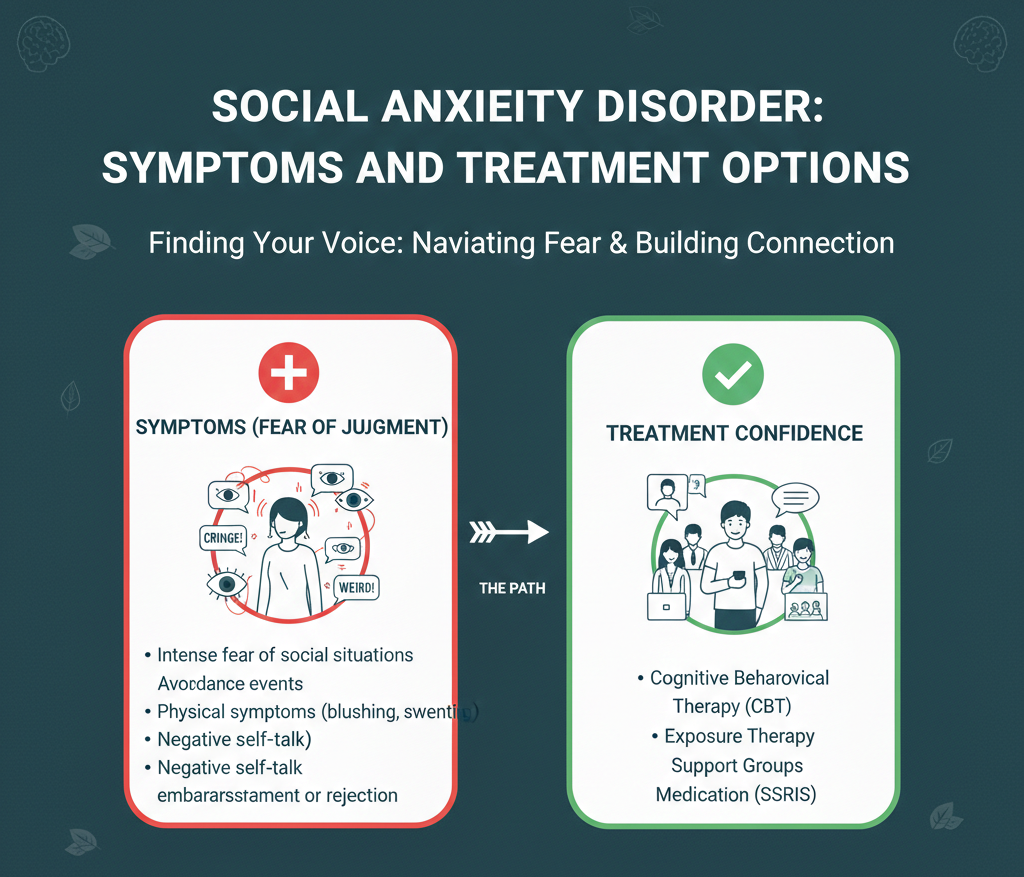
Social Anxiety Disorder is a mental health condition characterized by intense fear of being judged, embarrassed, or negatively evaluated in social or performance situations. Unlike occasional shyness, social anxiety causes persistent distress that can lead individuals to avoid social interactions altogether.
Adults with social anxiety often worry excessively about how others perceive them, even in routine situations such as workplace meetings, conversations, or public settings.
Common Symptoms of Social Anxiety in Adults
Social anxiety affects both emotional and physical well-being. Symptoms may vary in intensity but typically fall into three categories.
Emotional and Psychological Symptoms
-
Extreme fear of social situations
-
Constant worry about embarrassment or criticism
-
Fear of speaking or expressing opinions
-
Overthinking past conversations
-
Low self-confidence
-
Anticipating negative outcomes before events
Many individuals recognize that their fears may be irrational but still find them difficult to control.
Physical Symptoms
Social anxiety can activate the body’s stress response, producing noticeable physical reactions such as:
-
Rapid heartbeat
-
Sweating
-
Trembling or shaking
-
Blushing
-
Nausea or stomach discomfort
-
Shortness of breath
-
Dizziness
These physical symptoms can increase fear, creating a cycle that reinforces anxiety.
Behavioral Symptoms
Adults with social anxiety may begin avoiding situations that trigger discomfort, including:
-
Public speaking or presentations
-
Social gatherings or parties
-
Meeting new people
-
Workplace discussions
-
Eating or speaking in public
Avoidance may provide temporary relief but often worsens anxiety over time.
Causes of Social Anxiety in Adults
Social anxiety usually develops due to a combination of biological, psychological, and environmental factors.
1. Genetic Factors
Individuals with a family history of anxiety disorders may have a higher risk of developing social anxiety.
2. Brain Function and Chemistry
Imbalances in neurotransmitters such as serotonin can influence emotional regulation and fear responses.
3. Past Experiences
Negative social experiences, bullying, criticism, or humiliation during childhood or adolescence can contribute to adult social anxiety.
4. Personality Traits
People who are naturally more sensitive, self-critical, or introverted may be more vulnerable.
How Social Anxiety Impacts Adult Life
Untreated social anxiety can affect multiple areas of life:
Career Challenges
Fear of presentations, teamwork, or networking may limit professional growth and opportunities.
Relationship Difficulties
Avoiding social interaction can lead to loneliness and difficulty forming meaningful relationships.
Mental Health Risks
Social anxiety is often linked with depression, low self-esteem, and substance misuse when individuals attempt to cope independently.
Recognizing these impacts highlights the importance of early support and treatment.
Effective Solutions for Social Anxiety
The good news is that social anxiety is highly treatable. Many adults experience significant improvement through structured treatment and lifestyle changes.
1. Cognitive Behavioral Therapy (CBT)
CBT is considered the most effective psychological treatment for social anxiety.
It helps individuals:
-
Identify negative thinking patterns
-
Challenge fear-based assumptions
-
Build confidence gradually
-
Practice real-life social skills
Exposure therapy, a component of CBT, allows individuals to face feared situations step by step in a safe and controlled manner.
2. Medication Options
Healthcare providers may recommend medication for moderate to severe social anxiety.
Common options include:
-
Selective Serotonin Reuptake Inhibitors (SSRIs)
-
Serotonin-Norepinephrine Reuptake Inhibitors (SNRIs)
-
Short-term anti-anxiety medications when necessary
Medication can reduce symptom intensity, making therapy and daily functioning easier.
3. Gradual Exposure to Social Situations
Avoidance strengthens anxiety. Gradual exposure helps retrain the brain to view social situations as safe.
Examples include:
-
Starting conversations with familiar people
-
Attending small gatherings
-
Practicing speaking in low-pressure environments
-
Increasing social challenges over time
Small, consistent steps build confidence effectively.
4. Improving Social Skills
Some adults benefit from structured social skills training, which may include:
-
Maintaining eye contact
-
Active listening techniques
-
Conversation starters
-
Assertiveness training
Confidence often improves when individuals feel better prepared for interactions.
5. Mindfulness and Relaxation Techniques
Mindfulness helps shift attention away from self-criticism and toward present experiences.
Helpful practices include:
-
Deep breathing exercises
-
Meditation
-
Progressive muscle relaxation
-
Grounding techniques
These methods reduce physical anxiety symptoms during social situations.
6. Healthy Lifestyle Habits
Daily habits strongly influence anxiety levels.
Supportive lifestyle practices include:
-
Regular exercise
-
Adequate sleep
-
Balanced nutrition
-
Limiting caffeine and alcohol
-
Maintaining structured routines
Physical wellness supports emotional stability.
Practical Tips for Managing Social Anxiety Daily
Adults managing social anxiety may benefit from simple strategies:
-
Prepare conversation topics beforehand
-
Focus attention on others rather than self-performance
-
Set realistic social goals
-
Practice positive self-talk
-
Accept occasional discomfort as part of progress
Improvement takes time, and setbacks are a normal part of recovery.
When to Seek Professional Help
Professional support is recommended if:
-
Social fear interferes with work or relationships
-
Avoidance behaviors increase
-
Panic symptoms occur in social settings
-
Anxiety leads to isolation or depression
Early treatment can prevent symptoms from becoming more severe.
Living Confidently With Social Anxiety
Social anxiety does not define a person’s abilities or potential. Many successful professionals, leaders, and creatives have learned to manage social anxiety effectively through therapy, treatment, and self-development strategies.
Recovery focuses not on eliminating anxiety completely but on gaining confidence to participate fully in life despite occasional nervousness.
Final Thoughts
Social anxiety in adults is more than simple shyness—it is a treatable mental health condition that can significantly impact daily living. Recognizing symptoms and seeking appropriate solutions can lead to meaningful improvements in confidence, relationships, and emotional well-being.
With the right combination of therapy, lifestyle adjustments, and professional guidance when needed, adults with social anxiety can overcome fear and build fulfilling personal and professional lives.