
Blog
How Sleep Deprivation Affects Anxiety Levels

Author:
Medical Writer
Saya Des Marais

Medical Reviewer:
Dr. Russell A. Barkley, Ph.D
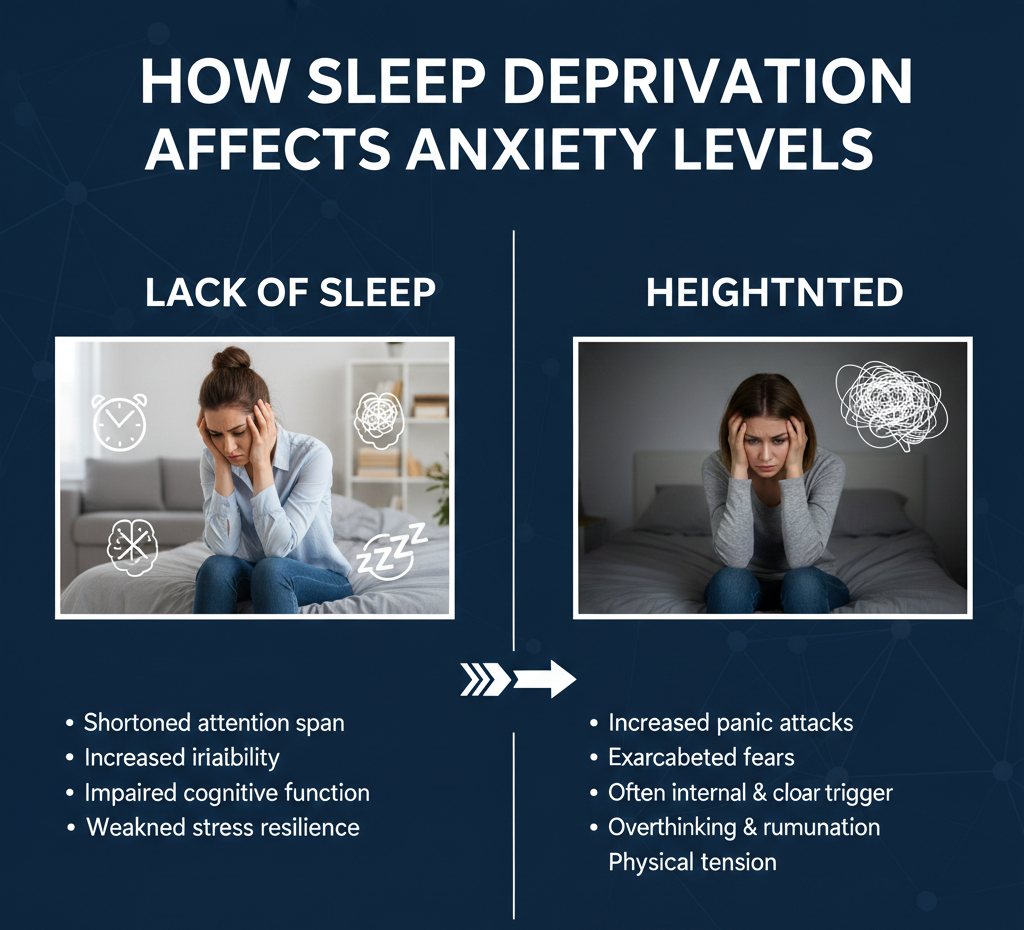
Sleep plays a vital role in maintaining emotional balance and mental clarity. Yet, millions of people experience sleep deprivation due to busy schedules, stress, or lifestyle habits. At the same time, anxiety disorders are becoming increasingly common. Research shows a strong connection between sleep and anxiety: lack of sleep can worsen anxiety, while anxiety can disrupt sleep.
Understanding how sleep deprivation affects anxiety levels can help individuals recognize symptoms early and adopt healthier habits. This article explores the science behind sleep deprivation and anxiety, its effects on the brain and body, and practical strategies to improve sleep and reduce anxiety.
Understanding Sleep Deprivation
Sleep deprivation occurs when a person consistently fails to get enough quality sleep. Adults typically need seven to nine hours of sleep per night for optimal functioning.
Common causes of sleep deprivation include:
-
Stress and worry
-
Irregular sleep schedules
-
Excessive screen time
-
Work or academic demands
-
Medical conditions
Sleep deprivation can be acute (short-term) or chronic (long-term). Chronic sleep loss is especially harmful to mental health.
The Link Between Sleep and Anxiety
Sleep and anxiety share a bidirectional relationship. Poor sleep can increase anxiety, and anxiety can disrupt sleep patterns.
When the brain does not get adequate rest, it becomes less effective at regulating emotions and stress responses. As a result, individuals may feel more irritable, overwhelmed, and anxious.
How Sleep Deprivation Affects the Brain
1) Heightened Emotional Reactivity
Sleep deprivation affects the brain’s emotional centers, particularly the amygdala, which processes fear and threat. When sleep is insufficient, the amygdala becomes more reactive, leading to exaggerated emotional responses.
This heightened reactivity makes individuals more sensitive to stress and more prone to anxiety.
2) Reduced Cognitive Control
The prefrontal cortex, responsible for decision-making and emotional regulation, is impaired by sleep deprivation. Without adequate sleep, the brain struggles to manage negative thoughts and worries.
This imbalance between emotional and rational brain regions contributes to persistent anxiety.
3) Disrupted Neurotransmitter Balance
Sleep helps regulate neurotransmitters such as serotonin and dopamine, which influence mood and emotional stability. Sleep deprivation disrupts this balance, increasing vulnerability to anxiety.
Physical Effects of Sleep Deprivation on Anxiety
Sleep deprivation also affects the body, intensifying anxiety symptoms.
Increased Stress Hormones
Lack of sleep elevates cortisol levels, a hormone associated with stress. High cortisol levels can trigger physical symptoms of anxiety such as rapid heartbeat and muscle tension.
Impaired Immune Function
Chronic sleep loss weakens the immune system, making the body more susceptible to illness. Physical discomfort can further increase anxiety.
Fatigue and Low Energy
Persistent fatigue can reduce resilience to stress, making everyday challenges feel overwhelming.
Psychological Consequences of Sleep-Related Anxiety
1) Negative Thought Patterns
Sleep deprivation often leads to catastrophic thinking and excessive worry. Without adequate rest, the mind becomes trapped in cycles of negative thoughts.
2) Reduced Coping Ability
Sleep is essential for processing emotions. When sleep is lacking, individuals may struggle to cope with stress, leading to heightened anxiety.
3) Increased Risk of Anxiety Disorders
Long-term sleep deprivation may contribute to the development or worsening of anxiety disorders.
Signs That Sleep Deprivation Is Affecting Anxiety
Common indicators include:
-
Persistent worry or nervousness
-
Difficulty concentrating
-
Irritability and mood swings
-
Physical symptoms such as headaches or palpitations
-
Difficulty falling or staying asleep
Recognizing these signs early can help prevent chronic anxiety.
Breaking the Cycle Between Sleep and Anxiety
Because sleep deprivation and anxiety reinforce each other, breaking this cycle requires intentional strategies.
Evidence-Based Strategies to Improve Sleep and Reduce Anxiety
1) Establish a Consistent Sleep Routine
Going to bed and waking up at the same time daily helps regulate the body’s internal clock.
2) Create a Sleep-Friendly Environment
A quiet, dark, and comfortable bedroom promotes better sleep quality.
3) Limit Screen Exposure Before Bedtime
Blue light from screens interferes with melatonin production, a hormone that regulates sleep.
4) Practice Relaxation Techniques
Techniques such as deep breathing, meditation, and progressive muscle relaxation can calm the nervous system.
5) Manage Daily Stress
Stress management strategies, including time management and physical activity, can reduce anxiety and improve sleep.
6) Monitor Caffeine and Diet
Excessive caffeine intake can disrupt sleep and worsen anxiety symptoms.
Role of Therapy and Professional Support
For individuals with chronic sleep problems or anxiety, professional support can be beneficial.
Psychological therapies, such as cognitive behavioral therapy, can address both sleep disturbances and anxiety symptoms.
Long-Term Benefits of Healthy Sleep
Improving sleep quality can lead to:
-
Better emotional regulation
-
Reduced anxiety symptoms
-
Enhanced cognitive performance
-
Improved overall well-being
Sleep is not a luxury—it is a fundamental pillar of mental health.
Conclusion
Sleep deprivation has a profound impact on anxiety levels. By impairing emotional regulation, increasing stress hormones, and disrupting brain chemistry, lack of sleep can intensify anxiety and create a vicious cycle of worry and insomnia.
Understanding the connection between sleep and anxiety empowers individuals to prioritize sleep as a key component of mental health. With consistent habits, stress management strategies, and professional support when needed, it is possible to improve sleep quality and reduce anxiety levels.
FAQs
Is guilt a symptom of depression?
Yes, excessive or guilt is listed as a core symptom of Major Depressive Disorder in the DSM-5.
Can guilt cause depression?
While guilt alone doesn’t cause depression, chronic guilt can contribute to its development and worsen existing symptoms.
How do I stop feeling guilty when depressed?
Working with a therapist, practicing self-compassion, and potentially using medication can help manage guilt associated with depression.

Contact us
Have questions? Reach out and we’ll get back to you shortly.
Content
Guilt and Depression at a Glance
How Guilt and Depression Interact
Coping When You’re
Depressed and Feeling Guilty
Evidence-Based Treatments
When to Seek Help
How Loved Ones Can Help
FAQs