
Blog
Signs Your Anxiety May Require Professional Help

Author:
Medical Writer
Saya Des Marais

Medical Reviewer:
Dr. Russell A. Barkley, Ph.D
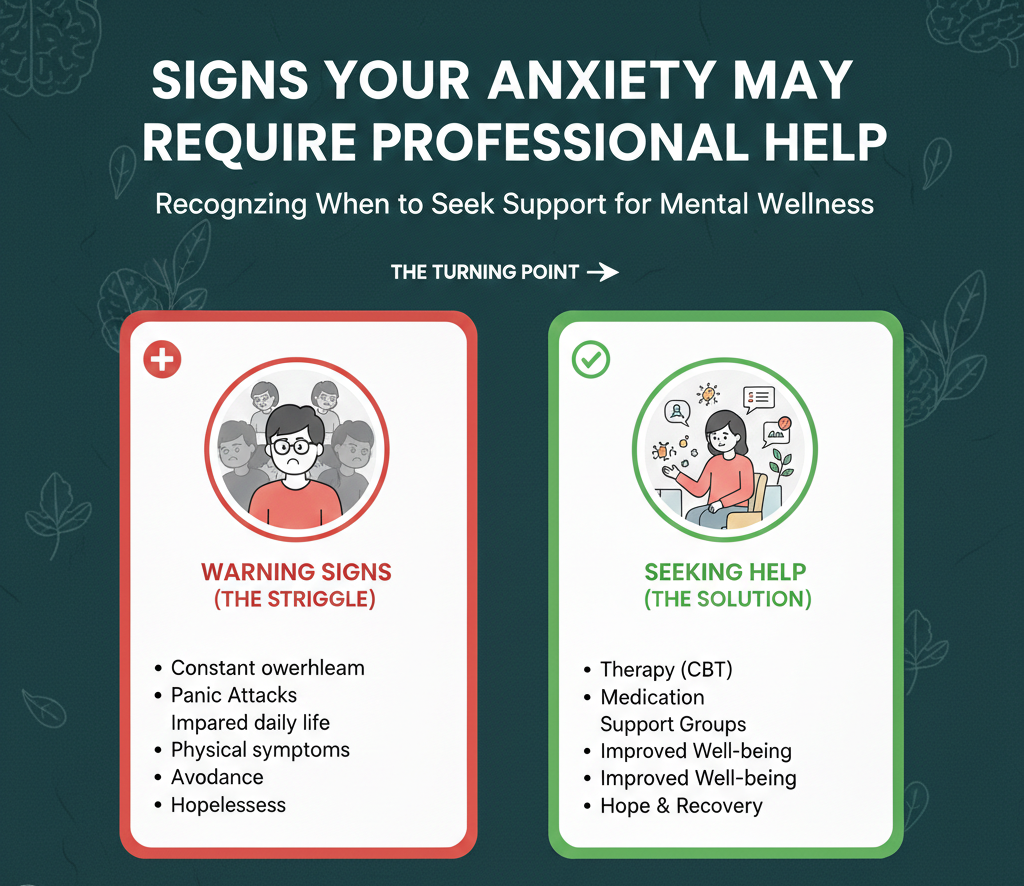
Anxiety is a natural human response to stress. It can motivate you to prepare for challenges, stay alert in risky situations, and perform under pressure. However, when anxiety becomes persistent, overwhelming, or disruptive to daily life, it may signal something more serious.
Many people normalize chronic worry or panic, assuming it’s just part of their personality. Others hesitate to seek help because they believe their symptoms aren’t “bad enough.” Understanding when anxiety crosses the line from manageable stress to a condition requiring professional support is crucial for long-term mental health.
If you’re unsure whether your anxiety requires professional help, this guide will help you identify the warning signs and next steps.
Understanding Normal Anxiety vs. Clinical Anxiety
Occasional anxiety is temporary and linked to specific events—like exams, job interviews, or public speaking. It usually fades once the situation passes.
Clinical anxiety, however, tends to:
-
Persist for weeks or months
-
Occur without a clear trigger
-
Intensify over time
-
Interfere with daily functioning
When anxiety begins to impact your ability to work, maintain relationships, or care for yourself, professional evaluation may be necessary.
1. Anxiety Is Constant or Long-Lasting
If you feel anxious most days for several weeks or months, it may indicate a deeper issue. Chronic anxiety rarely resolves on its own without intervention.
Persistent symptoms such as restlessness, excessive worry, and muscle tension could signal conditions like generalized anxiety disorder (GAD).
Ask yourself:
-
Do I feel on edge nearly every day?
-
Is it difficult to relax even in calm situations?
Ongoing anxiety that doesn’t ease with time deserves attention.
2. Panic Attacks Are Occurring
Panic attacks involve sudden, intense fear accompanied by physical symptoms such as:
-
Rapid heartbeat
-
Shortness of breath
-
Chest pain
-
Dizziness
-
Sweating
-
Fear of losing control
Occasional panic may occur during extreme stress. However, repeated panic attacks—especially when unexpected—may require professional treatment.
If you begin avoiding places or situations due to fear of panic, this is a strong sign to seek help.
3. Anxiety Is Interfering with Work or School
When anxiety affects productivity, concentration, or attendance, it’s no longer mild.
You may notice:
-
Difficulty focusing
-
Procrastination due to fear
-
Frequent sick days
-
Trouble completing tasks
If anxiety prevents you from performing responsibilities effectively, professional support can provide coping tools and structured treatment.
4. Social Withdrawal and Isolation
Avoiding social interactions because of fear, embarrassment, or excessive worry may indicate social anxiety disorder or severe generalized anxiety.
Signs include:
-
Avoiding gatherings
-
Fear of being judged
-
Difficulty speaking in groups
-
Canceling plans frequently
Isolation often worsens anxiety over time. Professional guidance can help break this cycle safely.
5. Physical Symptoms Are Persistent
Anxiety often presents physically. While occasional stress symptoms are normal, frequent or severe physical issues may require evaluation.
Common physical signs include:
-
Chronic headaches
-
Digestive problems
-
Muscle tension
-
Fatigue
-
Insomnia
-
Rapid heart rate
If medical tests show no clear physical cause, anxiety may be contributing significantly to your symptoms.
6. Sleep Is Consistently Disrupted
Anxiety and sleep are closely linked. Persistent difficulty falling or staying asleep may indicate heightened nervous system activity.
If you experience:
-
Racing thoughts at night
-
Frequent waking
-
Nighttime panic
-
Poor-quality sleep
And it continues for weeks, professional intervention can help restore healthy sleep patterns.
7. You Rely on Unhealthy Coping Mechanisms
Some individuals attempt to self-manage anxiety through:
-
Excessive alcohol use
-
Drug use
-
Overeating
-
Avoidance behaviors
-
Compulsive habits
While these may provide temporary relief, they often worsen anxiety long term.
If coping strategies are becoming harmful or difficult to control, seeking professional help is essential.
8. Reassurance-Seeking Becomes Constant
Repeatedly asking loved ones or doctors for reassurance may indicate escalating anxiety. While reassurance provides temporary relief, the anxiety often returns quickly.
If you find yourself:
-
Frequently checking symptoms
-
Repeatedly researching health concerns
-
Constantly asking others for validation
It may be time to address the root cause with a mental health professional.
9. You Feel Overwhelmed by Everyday Tasks
Anxiety that makes routine activities feel unmanageable is a strong warning sign.
You might feel overwhelmed by:
-
Grocery shopping
-
Driving
-
Answering emails
-
Making phone calls
-
Simple decision-making
When everyday life feels consistently exhausting due to anxiety, professional support can help restore confidence and control.
10. Anxiety Is Impacting Relationships
Chronic anxiety can strain relationships. Irritability, emotional reactivity, or avoidance behaviors may create tension with family and friends.
Signs include:
-
Frequent arguments
-
Withdrawal from loved ones
-
Difficulty expressing feelings
-
Overdependence for reassurance
If anxiety is affecting your relationships, therapy can improve communication and emotional regulation.
11. You Experience Hopelessness or Depressive Symptoms
Anxiety and depression often coexist. If anxiety leads to feelings of hopelessness, low motivation, or loss of interest in activities, professional help becomes even more important.
Seek immediate support if you experience:
-
Thoughts of self-harm
-
Suicidal thoughts
-
Feeling trapped or hopeless
These symptoms require urgent attention from a healthcare provider.
12. Self-Help Strategies Aren’t Working
Many people try self-help techniques like meditation, exercise, or breathing exercises. While helpful, these strategies may not fully resolve moderate to severe anxiety.
If you’ve consistently tried coping strategies without significant improvement, professional treatment may be necessary to address deeper patterns.
What Professional Help Can Offer
Seeking help doesn’t mean your anxiety is severe—it means you’re taking proactive steps toward better mental health.
Professional support may include:
Therapy
Cognitive Behavioral Therapy (CBT) is highly effective for anxiety. It helps identify thought patterns and teaches coping mechanisms.
Medication
In some cases, medications such as antidepressants or anti-anxiety prescriptions may be recommended to stabilize symptoms.
Combined Treatment
Many individuals benefit from a combination of therapy and medication, depending on severity.
Early intervention often leads to better outcomes.
Overcoming the Stigma of Seeking Help
Many people hesitate to seek support because they fear judgment. However, mental health care is no different from seeking treatment for physical conditions.
Just as you would see a doctor for chronic pain, it’s appropriate to consult a professional for persistent anxiety.
Seeking help demonstrates strength—not weakness.
When to Seek Immediate Help
If anxiety is accompanied by:
-
Suicidal thoughts
-
Severe panic attacks
-
Inability to function
-
Substance dependence
Seek urgent medical attention or contact a crisis support service immediately.
Your safety and well-being come first.
Final Thoughts
Anxiety is common—but it shouldn’t control your life. Recognizing the signs that anxiety may require professional help is an important step toward healing.
If anxiety is persistent, disruptive, or worsening despite your efforts, reaching out to a healthcare provider can provide clarity and relief. Early intervention prevents symptoms from escalating and supports long-term mental well-being.
You don’t have to manage anxiety alone. Professional guidance, combined with healthy lifestyle habits and supportive relationships, can help you regain balance, confidence, and peace of mind.
If you or someone you know is struggling with ongoing anxiety, consider speaking with a qualified healthcare professional for personalized evaluation and treatment options.
FAQs
Is guilt a symptom of depression?
Yes, excessive or guilt is listed as a core symptom of Major Depressive Disorder in the DSM-5.
Can guilt cause depression?
While guilt alone doesn’t cause depression, chronic guilt can contribute to its development and worsen existing symptoms.
How do I stop feeling guilty when depressed?
Working with a therapist, practicing self-compassion, and potentially using medication can help manage guilt associated with depression.

Contact us
Have questions? Reach out and we’ll get back to you shortly.
Content
Guilt and Depression at a Glance
How Guilt and Depression Interact
Coping When You’re
Depressed and Feeling Guilty
Evidence-Based Treatments
When to Seek Help
How Loved Ones Can Help
FAQs