
Blog
Signs You May Have a Sleep Disorder

Author:
Medical Writer
Saya Des Marais

Medical Reviewer:
Dr. Russell A. Barkley, Ph.D
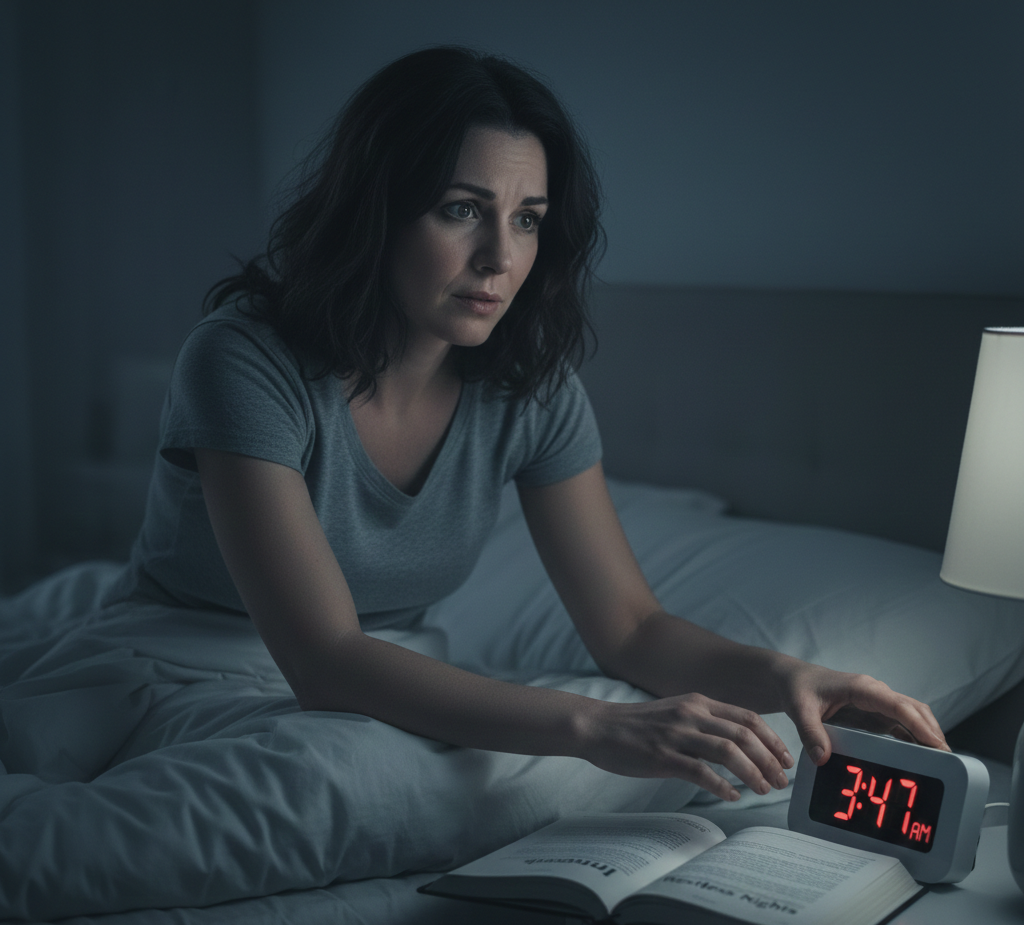
Sleep is a cornerstone of physical and mental health, yet many adults in the United States struggle with ongoing sleep problems. While occasional restless nights are normal, persistent sleep difficulties may signal an underlying sleep disorder. Because sleep disorders often develop gradually, many people dismiss symptoms as stress, aging, or lifestyle issues.
Recognizing the warning signs of a sleep disorder is essential for early diagnosis and effective treatment. This guide outlines common symptoms that may indicate a sleep disorder and explains when professional evaluation is recommended.
What Is a Sleep Disorder?
A sleep disorder is a medical condition that disrupts normal sleep patterns, sleep quality, or daytime functioning. Sleep disorders can affect:
-
How easily you fall asleep
-
How well you stay asleep
-
The quality of sleep you get
-
How alert and functional you feel during the day
Left untreated, sleep disorders can contribute to long-term health problems.
Persistent Difficulty Falling or Staying Asleep
One of the most common signs of a sleep disorder is chronic insomnia.
Possible indicators include:
-
Taking more than 30 minutes to fall asleep regularly
-
Waking up frequently during the night
-
Waking too early and being unable to return to sleep
-
Feeling unrefreshed despite adequate time in bed
If these symptoms occur at least three nights per week for several months, a sleep disorder may be present.
Excessive Daytime Sleepiness
Feeling tired occasionally is normal, but excessive daytime sleepiness is a red flag.
Warning signs include:
-
Difficulty staying awake during meetings or conversations
-
Needing frequent naps to function
-
Falling asleep unintentionally during the day
-
Struggling to concentrate or stay alert
This symptom is commonly associated with sleep apnea, narcolepsy, and chronic sleep deprivation.
Loud Snoring or Breathing Issues During Sleep
Loud, chronic snoring may indicate obstructive sleep apnea, a condition in which breathing repeatedly stops and starts during sleep.
Additional warning signs include:
-
Gasping or choking during sleep
-
Pauses in breathing noticed by a partner
-
Waking with a dry mouth or sore throat
-
Morning headaches
Sleep apnea is a serious condition that increases the risk of heart disease and other health issues.
Unusual Movements or Behaviors During Sleep
Certain sleep disorders involve abnormal movements or behaviors at night.
Signs may include:
-
Repetitive leg movements or twitching
-
Strong urges to move the legs at night
-
Sleepwalking or talking
-
Acting out dreams
These symptoms may be associated with conditions such as restless legs syndrome or parasomnias.
Difficulty Staying Awake Despite Adequate Sleep Time
If you get sufficient hours of sleep but still feel excessively tired, a sleep disorder may be interfering with sleep quality.
This may suggest:
-
Poor sleep efficiency
-
Disrupted sleep cycles
-
Underlying neurological sleep disorders
Persistent fatigue despite adequate sleep time warrants medical evaluation.
Mood Changes and Emotional Instability
Sleep disorders often affect mental health and emotional regulation.
Common emotional signs include:
-
Increased irritability
-
Anxiety or low mood
-
Difficulty managing stress
-
Reduced motivation
Over time, poor sleep can worsen anxiety and depression, creating a cycle that is difficult to break.
Memory and Concentration Problems
Sleep is essential for cognitive functioning. Signs that poor sleep may be affecting the brain include:
-
Forgetfulness
-
Trouble focusing
-
Slower reaction times
-
Difficulty making decisions
These symptoms can affect work performance, safety, and daily functioning.
Dependence on Sleep Aids
Regular reliance on sleep aids—prescription or over-the-counter—may indicate an underlying sleep disorder.
Warning signs include:
-
Needing sleep aids most nights
-
Increasing dosage over time
-
Sleep problems returning when aids are stopped
Sleep aids may mask symptoms without addressing the root cause.
Physical Health Symptoms Linked to Poor Sleep
Sleep disorders can contribute to a range of physical symptoms, including:
-
High blood pressure
-
Weight gain
-
Frequent illnesses
-
Chronic headaches
These symptoms may develop gradually and are often overlooked as sleep-related.
When to Seek Professional Help
You should consider consulting a healthcare provider if:
-
Sleep problems persist for more than a few weeks
-
Daytime functioning is affected
-
Snoring or breathing problems are present
-
Mood or cognitive symptoms worsen
-
Safety concerns arise (such as drowsy driving)
Early diagnosis improves treatment outcomes and reduces long-term health risks.
How Sleep Disorders Are Diagnosed
Diagnosis may involve:
-
Medical history review
-
Sleep questionnaires
-
Physical examination
-
Sleep studies or home sleep tests
A proper diagnosis allows for targeted and effective treatment.
Final Thoughts
Sleep disorders are more common than many people realize, and their symptoms are often subtle at first. Persistent sleep difficulties, excessive daytime sleepiness, mood changes, and physical symptoms should not be ignored.
Recognizing the signs of a sleep disorder is the first step toward better sleep and improved health. Educational platforms like USA Pharmas play an important role in raising awareness and encouraging individuals to seek professional care when sleep problems persist.
FAQs
Is guilt a symptom of depression?
Yes, excessive or guilt is listed as a core symptom of Major Depressive Disorder in the DSM-5.
Can guilt cause depression?
While guilt alone doesn’t cause depression, chronic guilt can contribute to its development and worsen existing symptoms.
How do I stop feeling guilty when depressed?
Working with a therapist, practicing self-compassion, and potentially using medication can help manage guilt associated with depression.

Contact us
Have questions? Reach out and we’ll get back to you shortly.
Content
Guilt and Depression at a Glance
How Guilt and Depression Interact
Coping When You’re
Depressed and Feeling Guilty
Evidence-Based Treatments
When to Seek Help
How Loved Ones Can Help
FAQs