
Blog
Signs Your Anxiety May Need Medical Attention

Author:
Medical Writer
Saya Des Marais

Medical Reviewer:
Dr. Russell A. Barkley, Ph.D
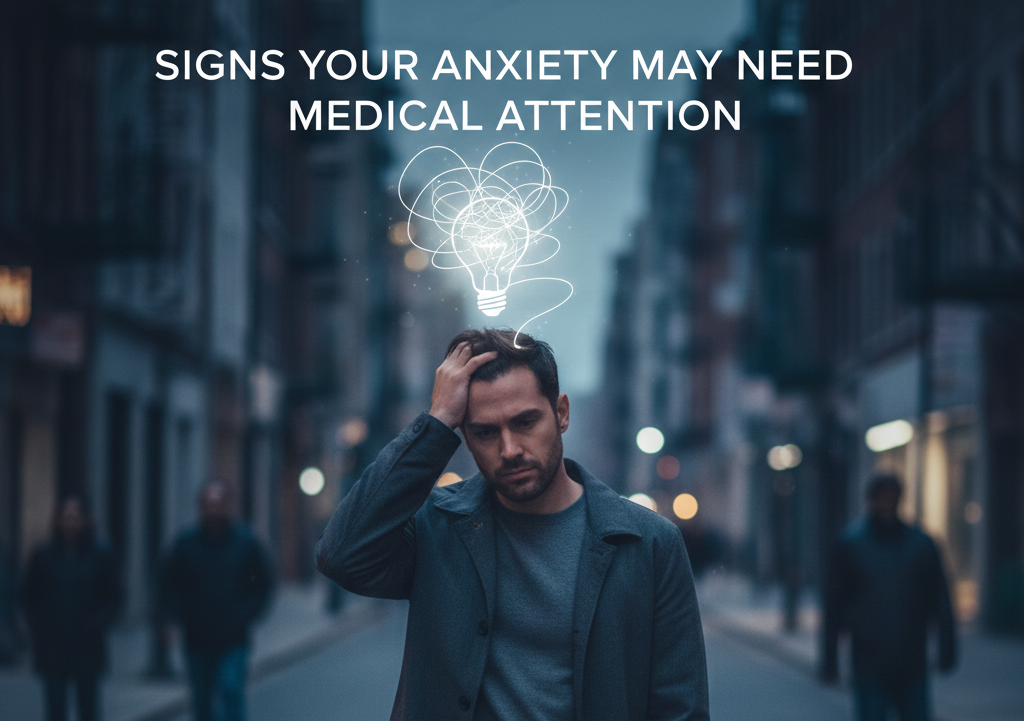
Anxiety is a common emotional experience that everyone encounters at some point in life. Feeling nervous before an important event or worried about a challenging situation is normal. However, when anxiety becomes persistent, overwhelming, or begins to interfere with daily functioning, it may indicate the need for professional medical attention.
Recognizing the signs that anxiety has crossed from a normal stress response into a medical concern is an important step toward protecting mental and physical health. This article explores key warning signs that anxiety may require medical evaluation and support.
Understanding Normal Anxiety vs Clinical Anxiety
Normal anxiety is typically temporary and linked to specific situations. It often resolves once the stressor passes. Clinical anxiety, on the other hand, is characterized by symptoms that are intense, persistent, and disproportionate to the situation.
If anxiety continues despite efforts to manage stress or begins to affect everyday life, it may be time to seek professional help.
1. Anxiety That Persists for Weeks or Months
One of the most significant signs that anxiety may need medical attention is its duration. If feelings of worry, fear, or tension persist for several weeks or longer, it may indicate an underlying anxiety disorder.
Persistent anxiety may involve:
-
Constant worry about multiple aspects of life
-
Difficulty relaxing or feeling calm
-
Ongoing nervousness without a clear cause
When anxiety becomes a daily experience rather than an occasional response, professional evaluation is recommended.
2. Physical Symptoms Without Clear Medical Causes
Anxiety can produce a wide range of physical symptoms. While occasional physical reactions are normal, frequent or unexplained symptoms should not be ignored.
Common physical signs include:
-
Rapid heartbeat or palpitations
-
Shortness of breath
-
Chest tightness or pain
-
Dizziness or lightheadedness
-
Muscle tension
-
Digestive discomfort
If medical tests do not reveal a physical cause, anxiety may be contributing to these symptoms.
3. Panic Attacks or Sudden Intense Fear
Panic attacks involve sudden episodes of intense fear accompanied by severe physical symptoms. These episodes can occur unexpectedly and may feel overwhelming.
Warning signs include:
-
Fear of losing control or dying
-
Sweating or trembling
-
Feeling detached from reality
-
Chest discomfort or difficulty breathing
Frequent panic attacks or fear of future attacks often indicate panic disorder or another anxiety-related condition that requires professional care.
4. Avoidance of Everyday Activities
When anxiety leads to avoidance behaviors, it can significantly impact quality of life.
Examples include:
-
Avoiding social situations
-
Skipping work or school
-
Avoiding travel or public places
-
Limiting activities due to fear
Avoidance may provide temporary relief but often strengthens anxiety over time. If avoidance begins to restrict daily life, medical attention may be necessary.
5. Sleep Disturbances
Anxiety commonly affects sleep patterns. Difficulty falling asleep, staying asleep, or experiencing restless sleep may indicate heightened anxiety levels.
Signs include:
-
Insomnia
-
Frequent nighttime awakenings
-
Racing thoughts at bedtime
-
Fatigue during the day
Chronic sleep disruption can worsen anxiety and create a cycle of emotional and physical exhaustion.
6. Difficulty Concentrating or Making Decisions
Persistent anxiety can impair cognitive function. Individuals may find it hard to focus, remember information, or make decisions.
Common experiences include:
-
Mental fog or confusion
-
Overthinking simple tasks
-
Difficulty completing responsibilities
If anxiety consistently interferes with productivity or cognitive performance, professional support may be beneficial.
7. Emotional Changes and Mood Shifts
Anxiety can influence emotional well-being and behavior.
Warning signs include:
-
Irritability or mood swings
-
Persistent fear or dread
-
Feelings of helplessness
-
Increased sensitivity to stress
These emotional changes may indicate that anxiety is affecting overall mental health.
8. Impact on Relationships and Work
When anxiety begins to affect relationships or job performance, it may signal the need for medical evaluation.
Examples include:
-
Conflict with family or colleagues
-
Withdrawal from social connections
-
Reduced work efficiency
Anxiety that disrupts social or professional functioning often requires structured intervention.
9. Use of Unhealthy Coping Mechanisms
Some individuals turn to unhealthy coping strategies to manage anxiety, such as excessive caffeine, alcohol, or avoidance behaviors. While these methods may offer temporary relief, they often worsen anxiety in the long run.
If coping mechanisms become harmful or ineffective, professional guidance is recommended.
10. Feeling Unable to Manage Anxiety Alone
A key sign that anxiety may need medical attention is the feeling of being unable to control symptoms despite efforts to manage stress.
If self-help strategies, relaxation techniques, or lifestyle changes do not provide relief, seeking professional support can be an important step toward recovery.
Why Early Intervention Matters
Addressing anxiety early can prevent symptoms from becoming chronic. Early treatment can:
-
Improve emotional resilience
-
Reduce symptom severity
-
Enhance quality of life
-
Prevent secondary mental health conditions
Professional support may include therapy, lifestyle guidance, or medical evaluation, depending on individual needs.
Final Thoughts
Anxiety is a normal part of life, but persistent or severe symptoms should not be ignored. Recognizing the warning signs that anxiety may require medical attention can empower individuals to seek help and improve their mental well-being.
Seeking professional support is not a sign of weakness—it is a proactive step toward better mental and emotional health.
⚠️ Medical Disclaimer
This content is for informational purposes only and does not replace professional medical advice, diagnosis, or treatment. Always consult a qualified healthcare provider regarding mental health concerns.
FAQs
Is guilt a symptom of depression?
Yes, excessive or guilt is listed as a core symptom of Major Depressive Disorder in the DSM-5.
Can guilt cause depression?
While guilt alone doesn’t cause depression, chronic guilt can contribute to its development and worsen existing symptoms.
How do I stop feeling guilty when depressed?
Working with a therapist, practicing self-compassion, and potentially using medication can help manage guilt associated with depression.

Contact us
Have questions? Reach out and we’ll get back to you shortly.
Content
Guilt and Depression at a Glance
How Guilt and Depression Interact
Coping When You’re
Depressed and Feeling Guilty
Evidence-Based Treatments
When to Seek Help
How Loved Ones Can Help
FAQs