
Blog
Short-Term vs Long-Term Anxiety Medications Explained

Author:
Medical Writer
Saya Des Marais

Medical Reviewer:
Dr. Russell A. Barkley, Ph.D
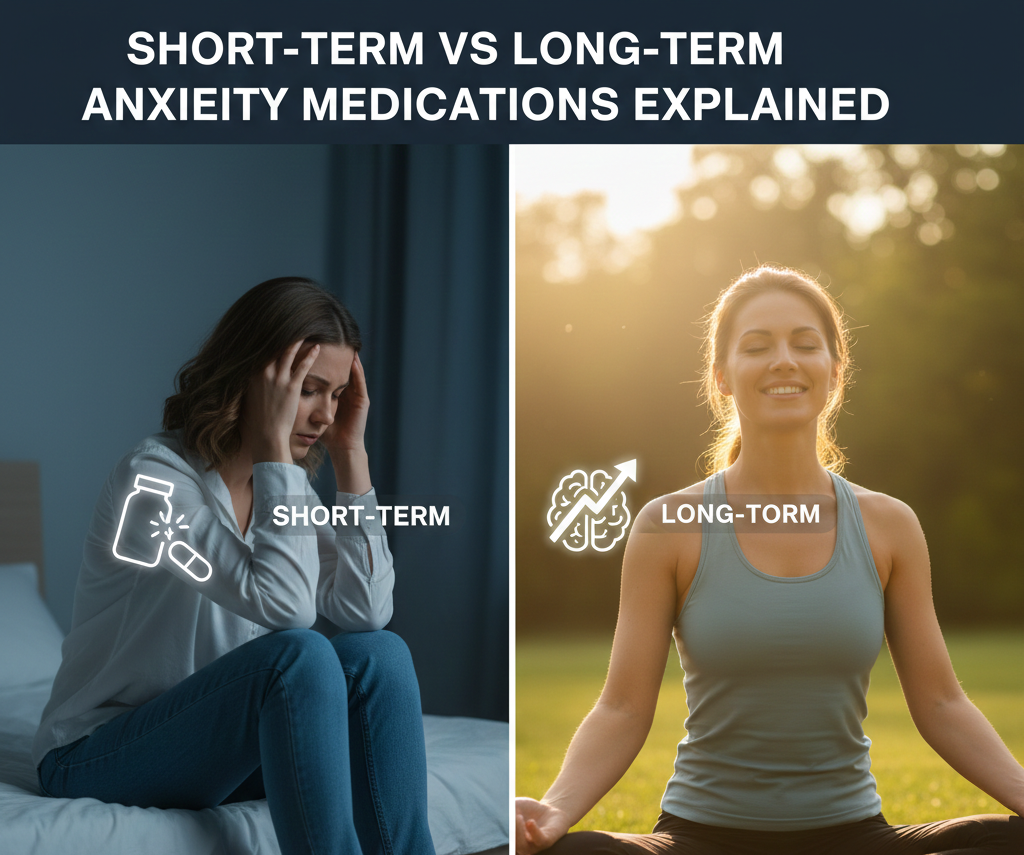
Anxiety disorders affect millions of people worldwide and can significantly impact daily life, relationships, and productivity. Medication is one of the most common treatment options for managing anxiety, especially when symptoms are moderate to severe.
However, not all anxiety medications work the same way. Some are designed for short-term relief, while others are meant for long-term management.
Understanding the difference between short-term and long-term anxiety medications can help people make informed decisions and set realistic expectations about treatment. This article explains how these medications work, their benefits, risks, and how they fit into a comprehensive anxiety treatment plan.
Understanding Anxiety Medications
Anxiety medications aim to reduce excessive fear, worry, and physical symptoms by influencing brain chemistry. The brain relies on neurotransmitters—chemical messengers that regulate mood, stress, and emotional responses.
Different medications target different neurotransmitters, which is why some work quickly while others take time to show effects.
Broadly, anxiety medications fall into two categories:
-
Short-term (fast-acting) medications
-
Long-term (maintenance) medications
Each plays a distinct role in anxiety management.
Short-Term Anxiety Medications
What Are Short-Term Anxiety Medications?
Short-term anxiety medications are designed to provide rapid relief from acute anxiety symptoms. They are often used during panic attacks, severe stress, or temporary anxiety episodes.
These medications typically act on the central nervous system to calm brain activity.
How They Work
Many short-term anxiety medications enhance the effects of calming neurotransmitters in the brain. This leads to:
-
Quick reduction in anxiety
-
Muscle relaxation
-
Sedation and calming effects
Because they act quickly, they are useful for immediate symptom control.
Benefits of Short-Term Medications
Short-term anxiety medications can:
-
Provide fast relief during intense anxiety
-
Help stabilize symptoms in crisis situations
-
Improve sleep during acute stress
-
Support individuals while long-term treatments begin to work
Limitations and Risks
Despite their effectiveness, short-term medications have limitations:
-
They are not designed for long-term use
-
The body may develop tolerance
-
There is potential for dependence if misused
-
Symptoms may return when medication is stopped
For these reasons, healthcare providers often prescribe them for limited periods.
Long-Term Anxiety Medications
What Are Long-Term Anxiety Medications?
Long-term anxiety medications are designed to manage anxiety over extended periods. Instead of providing instant relief, they work gradually to stabilize mood and reduce overall anxiety levels.
These medications often target neurotransmitters associated with mood regulation.
How They Work
Long-term anxiety medications help by:
-
Balancing brain chemicals over time
-
Reducing chronic anxiety symptoms
-
Improving emotional regulation
Unlike short-term medications, they usually take several weeks to show noticeable effects.
Benefits of Long-Term Medications
Long-term anxiety medications can:
-
Provide sustained anxiety control
-
Reduce the frequency and severity of anxiety episodes
-
Lower the risk of relapse
-
Support long-term mental health stability
They are often recommended for chronic anxiety disorders.
Limitations and Considerations
Long-term medications also have challenges:
-
Delayed onset of action
-
Possible side effects during initial weeks
-
Need for consistent daily use
-
Individual variation in response
However, they are generally considered safer for long-term management compared to short-term sedative medications.
Key Differences Between Short-Term and Long-Term Anxiety Medications
1) Speed of Action
-
Short-term medications: Act quickly, often within minutes or hours
-
Long-term medications: Take weeks to show full effects
2) Duration of Use
-
Short-term medications: Typically used temporarily
-
Long-term medications: Used for ongoing treatment
3) Treatment Goals
-
Short-term medications: Immediate symptom relief
-
Long-term medications: Long-term anxiety control and prevention
4) Risk Profile
-
Short-term medications: Higher risk of tolerance and dependence
-
Long-term medications: Generally safer for continuous use
5) Role in Treatment Plans
-
Short-term medications: Often used as supportive or emergency treatment
-
Long-term medications: Core component of chronic anxiety management
Combining Short-Term and Long-Term Treatments
In many cases, healthcare providers combine both types of medications as part of a comprehensive treatment plan.
Example Approach:
-
Short-term medication to manage acute symptoms
-
Long-term medication to address underlying anxiety
-
Therapy and lifestyle changes to improve overall outcomes
This integrated approach can provide both immediate relief and long-term stability.
Non-Medication Approaches to Anxiety
Medication is not the only solution for anxiety. Many people benefit from non-pharmacological strategies, including:
Psychological Therapies
-
Cognitive Behavioral Therapy (CBT)
-
Exposure therapy
-
Mindfulness-based therapy
Lifestyle Strategies
-
Regular physical activity
-
Adequate sleep
-
Stress management techniques
-
Healthy nutrition
Social and Emotional Support
-
Support groups
-
Counseling
-
Family and community support
Combining medication with these approaches often leads to better outcomes.
Factors That Influence Medication Choice
Healthcare providers consider several factors when choosing anxiety medications, such as:
-
Type and severity of anxiety disorder
-
Duration of symptoms
-
Medical history
-
Lifestyle and personal preferences
-
Potential side effects
Because anxiety is highly individual, treatment plans are often personalized.
Safety and Responsible Use
Using anxiety medications responsibly is crucial for safety and effectiveness.
Key safety principles include:
-
Following professional medical guidance
-
Avoiding abrupt discontinuation
-
Being aware of potential interactions
-
Monitoring symptoms and side effects
Education and awareness play a vital role in preventing misuse and improving outcomes.
Conclusion
Short-term and long-term anxiety medications serve different but complementary roles in anxiety treatment. Short-term medications provide fast relief during acute episodes, while long-term medications help stabilize anxiety over time.
Understanding these differences helps individuals make informed decisions and engage more effectively in their mental health journey. With proper guidance, a balanced combination of medication, therapy, and lifestyle changes can significantly improve quality of life for those living with anxiety.
FAQs
Is guilt a symptom of depression?
Yes, excessive or guilt is listed as a core symptom of Major Depressive Disorder in the DSM-5.
Can guilt cause depression?
While guilt alone doesn’t cause depression, chronic guilt can contribute to its development and worsen existing symptoms.
How do I stop feeling guilty when depressed?
Working with a therapist, practicing self-compassion, and potentially using medication can help manage guilt associated with depression.

Contact us
Have questions? Reach out and we’ll get back to you shortly.
Content
Guilt and Depression at a Glance
How Guilt and Depression Interact
Coping When You’re
Depressed and Feeling Guilty
Evidence-Based Treatments
When to Seek Help
How Loved Ones Can Help
FAQs