
Blog
Risks and Benefits of Strong Painkillers

Author:
Medical Writer
Saya Des Marais

Medical Reviewer:
Dr. Russell A. Barkley, Ph.D
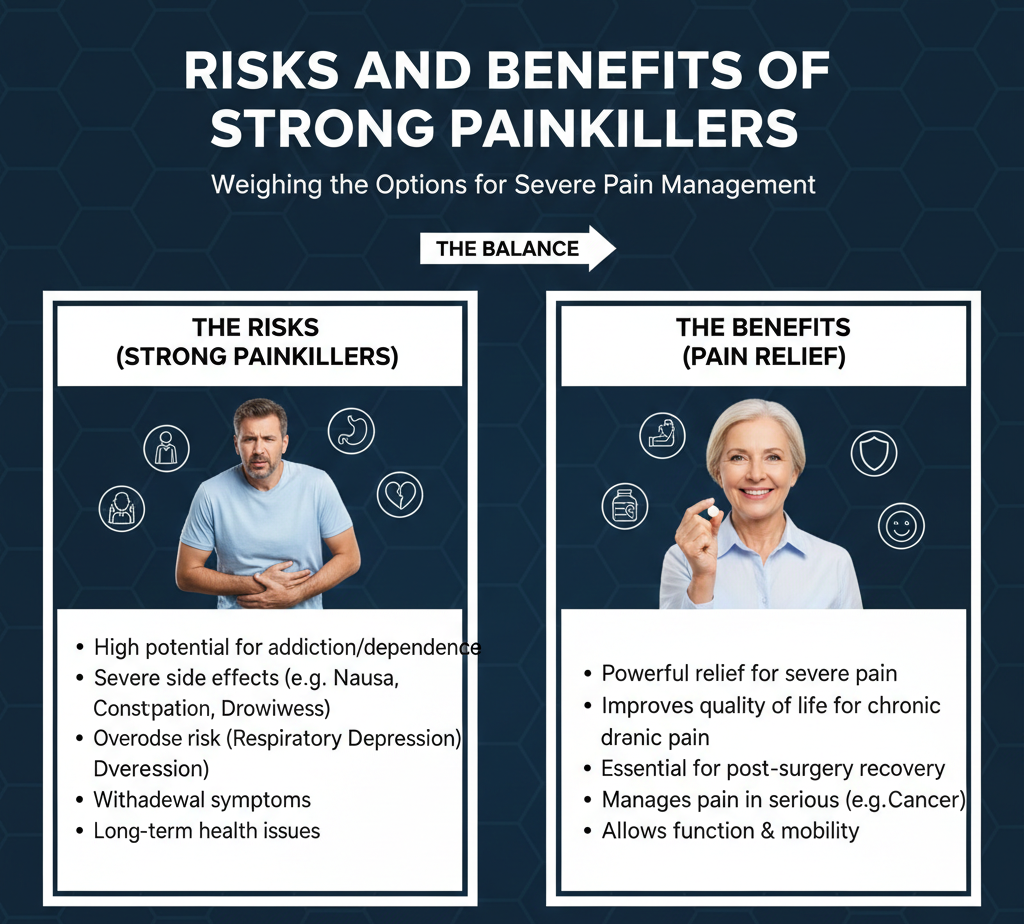
Strong painkillers play a critical role in modern medicine. For people dealing with severe injuries, major surgeries, cancer-related pain, or chronic conditions, these medications can provide much-needed relief and restore the ability to function in daily life. However, like any powerful treatment, strong pain medications come with both benefits and potential risks.
Understanding how these medications work, when they are appropriate, and how to use them responsibly can help patients make informed decisions alongside their healthcare providers. This guide explores the advantages and disadvantages of strong painkillers and offers practical tips for safe and effective use.
What Are Strong Painkillers?
Strong painkillers are medications designed to manage moderate to severe pain that cannot be controlled with milder treatments. These may include certain prescription opioids, high-strength anti-inflammatory drugs, or combination medications used under medical supervision.
Healthcare providers typically reserve strong pain medications for situations such as:
-
Post-surgical recovery
-
Severe injuries or trauma
-
Advanced arthritis or chronic back pain
-
Cancer-related discomfort
-
Acute medical conditions causing intense pain
Because these medications have potent effects on the body, they are usually prescribed after a careful evaluation of the patient’s health status and treatment needs.
How Strong Painkillers Work
Different classes of pain medications work in different ways. Some act on the central nervous system to reduce how the brain perceives pain signals, while others reduce inflammation or block pain pathways in the body.
For example:
-
Certain medications reduce inflammation around injured tissues.
-
Others interfere with nerve signals that transmit pain sensations.
-
Some alter how the brain interprets pain, helping patients feel more comfortable.
Doctors choose medications based on the underlying cause of pain, the intensity of symptoms, and the patient’s overall health profile.
Benefits of Strong Painkillers
1. Effective Relief for Severe Pain
One of the most significant advantages of strong pain medications is their ability to relieve intense discomfort when other treatments fail. This can be especially important for patients recovering from surgery or coping with serious illnesses.
2. Improved Quality of Life
When pain is controlled, patients may be able to sleep better, move more easily, and return to daily activities such as work or family responsibilities. Effective pain management can also reduce emotional stress and improve mental well-being.
3. Support During Medical Recovery
After major procedures or injuries, strong painkillers may help patients participate in rehabilitation or physical therapy. Reduced pain can make it easier to follow treatment plans that promote healing.
4. Short-Term Stabilization
In acute situations—such as severe trauma or emergency medical conditions—strong medications can provide rapid relief, allowing healthcare professionals to stabilize patients and manage symptoms effectively.
Potential Risks of Strong Painkillers
While these medications offer valuable benefits, they also carry risks that must be carefully considered.
1. Side Effects
Common side effects may include drowsiness, dizziness, nausea, constipation, or confusion. Some people may experience more serious reactions depending on the medication and their health status.
2. Risk of Dependence
Certain strong pain medications can lead to physical dependence when used for long periods or not taken as prescribed. This means the body may become used to the medication, requiring medical supervision to adjust or discontinue treatment safely.
3. Tolerance Development
Over time, some patients may find that the same dose becomes less effective, leading to higher doses being required for the same level of relief. Doctors monitor treatment closely to avoid unnecessary increases.
4. Interactions With Other Substances
Strong painkillers may interact with alcohol, sedatives, or other medications, increasing the risk of dangerous side effects such as breathing problems or excessive sedation.
5. Overdose Risk
Taking more medication than prescribed—or combining medications improperly—can lead to serious complications. This is why following dosing instructions carefully is essential.
Who May Be at Higher Risk?
Certain individuals may need extra caution when using strong pain medications, including:
-
Older adults
-
People with respiratory conditions
-
Patients with liver or kidney disease
-
Individuals with a history of substance misuse
-
Those taking multiple medications simultaneously
Doctors assess these factors before prescribing treatment and may recommend alternative therapies when appropriate.
Safe Use of Strong Painkillers
Using strong pain medications responsibly helps maximize benefits while reducing risks. Important safety tips include:
-
Take medication exactly as prescribed.
-
Avoid mixing medications without professional guidance.
-
Do not share prescriptions with others.
-
Store medications securely and out of reach of children.
-
Attend follow-up appointments to monitor progress.
Patients should report any unusual symptoms, side effects, or concerns promptly to their healthcare provider.
Alternatives and Complementary Approaches
Doctors often recommend combining medications with non-drug therapies to improve outcomes and reduce reliance on strong painkillers. These may include:
-
Physical therapy or exercise programs
-
Heat and cold therapy
-
Relaxation techniques and stress management
-
Cognitive behavioral therapy
-
Lifestyle adjustments such as improved sleep habits and nutrition
A comprehensive pain management plan can address both physical and emotional aspects of pain.
When Strong Painkillers May Not Be the Best Choice
Not all pain requires powerful medication. Mild or moderate discomfort may be effectively managed with non-opioid treatments, over-the-counter options, or non-medication therapies. Doctors consider safer alternatives whenever possible and typically reserve strong painkillers for cases where benefits outweigh potential risks.
Talking to Your Doctor About Pain Treatment
Open communication is key to safe and effective care. Patients should feel comfortable discussing:
-
The level and duration of pain
-
Previous treatments and outcomes
-
Current medications or supplements
-
Lifestyle factors that may influence treatment
-
Concerns about side effects or dependence
Working collaboratively with a healthcare professional ensures that treatment decisions align with individual health needs.
Conclusion
Strong painkillers can be powerful tools for managing severe discomfort and improving quality of life when used appropriately. They offer significant benefits, especially for patients dealing with major medical conditions or recovering from surgery. However, these medications also carry potential risks, including side effects, dependence, and interactions with other substances.
The key to safe and effective pain management lies in responsible use, regular monitoring, and open communication with healthcare providers. Patients who stay informed, follow medical advice carefully, and explore complementary therapies can achieve better outcomes while minimizing potential complications.
If you are considering or currently using strong pain medications, consult a qualified healthcare professional to ensure that your treatment plan is safe, personalized, and aligned with your overall health goals.
FAQs
Is guilt a symptom of depression?
Yes, excessive or guilt is listed as a core symptom of Major Depressive Disorder in the DSM-5.
Can guilt cause depression?
While guilt alone doesn’t cause depression, chronic guilt can contribute to its development and worsen existing symptoms.
How do I stop feeling guilty when depressed?
Working with a therapist, practicing self-compassion, and potentially using medication can help manage guilt associated with depression.

Contact us
Have questions? Reach out and we’ll get back to you shortly.
Content
Guilt and Depression at a Glance
How Guilt and Depression Interact
Coping When You’re
Depressed and Feeling Guilty
Evidence-Based Treatments
When to Seek Help
How Loved Ones Can Help
FAQs