
Blog
Prescription Medication Safety Tips for Older Adults

Author:
Medical Writer
Saya Des Marais

Medical Reviewer:
Dr. Russell A. Barkley, Ph.D
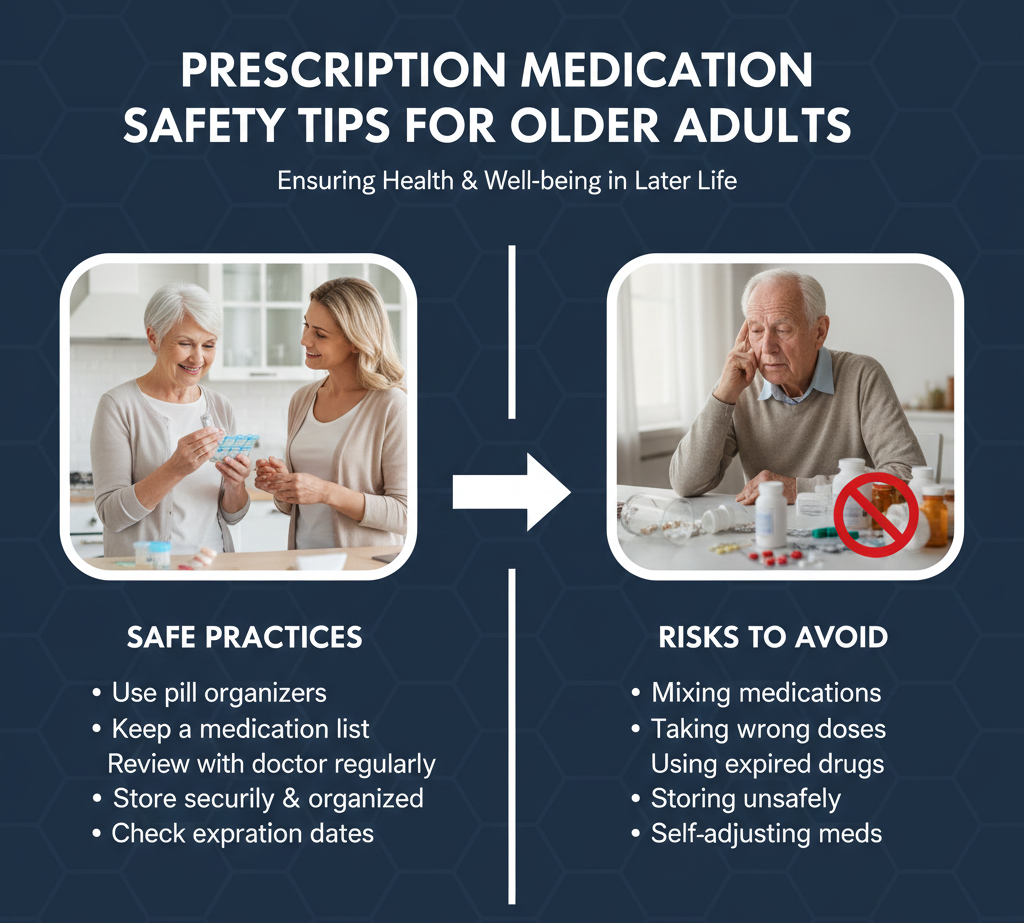
As people age, managing health becomes increasingly complex. Many older adults take multiple prescription medications to address chronic conditions such as hypertension, diabetes, arthritis, heart disease, or mental health issues. While medications can significantly improve quality of life, they also carry risks—especially for seniors who may be more vulnerable to side effects, drug interactions, and dosing errors.
Ensuring prescription medication safety is vital for older adults to prevent complications, hospitalizations, and even life-threatening incidents. This article outlines essential safety tips for older adults, including strategies for proper medication management, avoiding interactions, and maintaining adherence to treatment plans.
1. Keep an Updated Medication List
An up-to-date list of all medications is critical for safe management. Include:
-
Prescription medications, dosages, and schedules
-
Over-the-counter drugs and supplements
-
Vitamins and herbal remedies
-
Recent changes to medications or dosages
Why it matters:
Doctors, pharmacists, and caregivers can prevent drug interactions, duplications, and dosing errors. Bring this list to every medical appointment.
2. Understand Each Medication
Older adults should know:
-
Purpose: Why each medication is prescribed
-
Dosage: How much and how often to take it
-
Side effects: Common and serious adverse reactions
-
Timing: Whether the medication should be taken with food, water, or at a specific time of day
Why it matters:
Understanding medications increases adherence and safety, and helps seniors recognize potential problems early.
3. Use One Pharmacy if Possible
Filling all prescriptions at the same pharmacy allows pharmacists to:
-
Track all medications for potential interactions
-
Provide refills and reminders
-
Offer professional advice on safe use
Why it matters:
Fragmented prescriptions from multiple pharmacies increase the risk of unnoticed interactions or duplications.
4. Prevent Drug Interactions
Older adults are more susceptible to drug interactions due to:
-
Polypharmacy: Taking multiple medications at once
-
Age-related changes: Slower metabolism and reduced kidney or liver function
-
Supplement use: Herbal remedies and vitamins may interact with prescriptions
Tips:
-
Always inform your doctor and pharmacist of all medications, supplements, and lifestyle habits
-
Ask about potential interactions with food, alcohol, or other drugs
5. Follow Dosing Instructions Carefully
-
Take medications exactly as prescribed
-
Do not split, crush, or combine medications unless approved
-
Avoid skipping doses or doubling up if a dose is missed
Why it matters:
Incorrect dosing can lead to reduced effectiveness, side effects, or dangerous complications.
6. Monitor for Side Effects
Older adults should regularly monitor:
-
New symptoms such as dizziness, nausea, fatigue, or confusion
-
Changes in mood, memory, or alertness
-
Signs of serious reactions, such as chest pain, irregular heartbeat, or severe allergic responses
Tip: Keep a medication diary to track symptoms and report them to your healthcare provider promptly.
7. Safe Storage of Medications
Proper storage prevents accidental ingestion and preserves medication effectiveness:
-
Store in original containers with labels
-
Keep medications out of reach of children and pets
-
Avoid storing in bathrooms or areas with high humidity or heat
Why it matters:
Improper storage can reduce potency or lead to accidental overdose.
8. Use Medication Management Tools
-
Pill organizers: Helps track daily or weekly doses
-
Reminders or alarms: Ensure doses are taken on time
-
Blister packs from pharmacies: Pre-sorted medications reduce confusion
Why it matters:
These tools minimize missed doses, overdosing, and confusion, especially for seniors with memory challenges.
9. Communicate Openly With Healthcare Providers
-
Inform doctors about new symptoms, side effects, or difficulties taking medications
-
Discuss all medications, including over-the-counter drugs, vitamins, and supplements
-
Ask questions about alternative treatments or dosage adjustments
Why it matters:
Open communication ensures safe, effective treatment and reduces risk of complications.
10. Avoid Sharing Medications
-
Never share prescriptions with others
-
Do not take medications prescribed to someone else
Why it matters:
Sharing medications can cause adverse reactions, ineffective treatment, or legal issues.
11. Regularly Review Medications
-
Schedule medication reviews with your doctor at least annually
-
Discuss if any medications are no longer necessary, have side effects, or could be replaced with safer alternatives
Why it matters:
Medication reviews help prevent polypharmacy, reduce side effects, and improve adherence.
12. Be Cautious With Over-the-Counter Medications
-
Many OTC drugs can interact with prescription medications
-
Pain relievers, cold medications, and sleep aids may pose risks for older adults
-
Always check with a pharmacist or doctor before starting any new OTC medication
13. Know When to Seek Help
-
Sudden dizziness, fainting, severe nausea, confusion, or allergic reactions require immediate medical attention
-
Report any unusual or concerning symptoms to your doctor promptly
Why it matters:
Early intervention can prevent serious complications and hospitalization.
Key Takeaways
-
Older adults are at higher risk of medication errors, interactions, and side effects due to polypharmacy and age-related changes
-
Safety tips include:
-
Keeping an updated medication list
-
Understanding purpose, dosage, and side effects
-
Using one pharmacy and management tools
-
Following dosing instructions carefully
-
Monitoring for side effects and new symptoms
-
Storing medications safely
-
Communicating openly with healthcare providers
-
Avoiding sharing medications
-
Reviewing medications regularly
-
Being cautious with over-the-counter drugs
-
-
Proper management improves effectiveness, safety, and overall health
Conclusion
Prescription medications are invaluable tools for managing health in older adults, but they must be used safely and responsibly. By keeping an updated medication list, understanding each drug, preventing interactions, following dosing instructions, and maintaining open communication with healthcare providers, older adults can maximize benefits while minimizing risks.
Medication safety is a shared responsibility between the patient, family, caregivers, and healthcare team. Awareness, organization, and proactive management are key to ensuring that medications support health, prevent complications, and enhance quality of life in older adults.
FAQs
Is guilt a symptom of depression?
Yes, excessive or guilt is listed as a core symptom of Major Depressive Disorder in the DSM-5.
Can guilt cause depression?
While guilt alone doesn’t cause depression, chronic guilt can contribute to its development and worsen existing symptoms.
How do I stop feeling guilty when depressed?
Working with a therapist, practicing self-compassion, and potentially using medication can help manage guilt associated with depression.

Contact us
Have questions? Reach out and we’ll get back to you shortly.
Content
Guilt and Depression at a Glance
How Guilt and Depression Interact
Coping When You’re
Depressed and Feeling Guilty
Evidence-Based Treatments
When to Seek Help
How Loved Ones Can Help
FAQs