
Blog
Personalized Treatment Plans for Anxiety – What to Expect

Author:
Medical Writer
Saya Des Marais

Medical Reviewer:
Dr. Russell A. Barkley, Ph.D
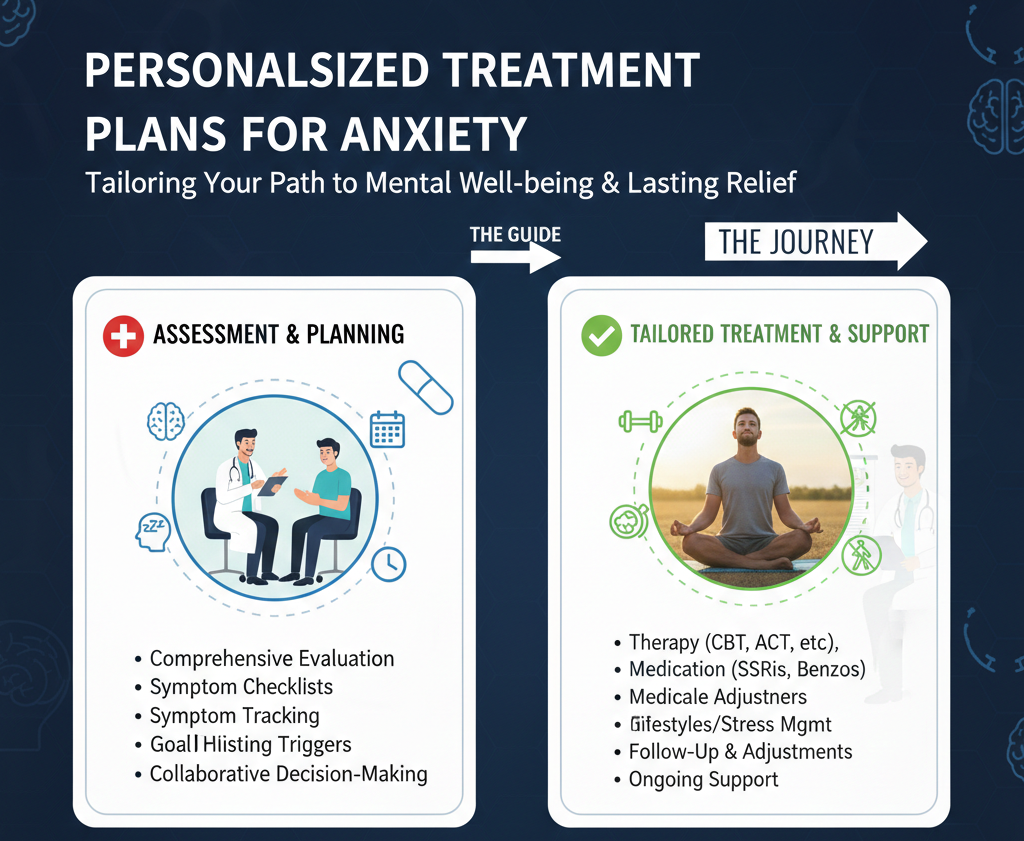
Anxiety disorders affect people in different ways, which is why a one-size-fits-all approach to treatment rarely works. Some individuals may struggle with constant worry and restlessness, while others experience panic attacks or social anxiety that interferes with everyday life. Personalized treatment plans focus on addressing each person’s unique symptoms, triggers, and lifestyle factors to create an effective path toward recovery.
Understanding what to expect from a personalized anxiety treatment plan can help patients feel more confident, prepared, and involved in their mental health journey. This guide explores how individualized plans are developed, what treatments may be included, and how patients can actively participate in their own care.
Why Personalized Treatment Matters
Every individual’s experience with anxiety is shaped by genetics, environment, stress levels, personality, and medical history. Because of these differences, treatments that work well for one person may not be effective for another.
Personalized treatment plans aim to:
-
Target specific anxiety symptoms
-
Consider physical and emotional health factors
-
Align with personal goals and daily routines
-
Adjust treatment intensity based on progress
-
Minimize side effects and improve overall comfort
Individualized care helps increase the likelihood of successful outcomes and long-term symptom management.
Initial Assessment and Evaluation
The process usually begins with a comprehensive assessment conducted by a healthcare professional. This evaluation helps determine the type and severity of anxiety disorder and identify potential contributing factors.
Key Components of the Evaluation
-
Detailed discussion of symptoms and emotional experiences
-
Medical and mental health history review
-
Evaluation of sleep patterns, stress levels, and lifestyle habits
-
Screening questionnaires or mental health assessments
-
Physical examinations if necessary to rule out other conditions
The goal is to develop a clear understanding of each patient’s situation so treatment can be tailored accordingly.
Identifying Treatment Goals
After diagnosis, healthcare providers collaborate with patients to establish realistic and meaningful goals. These goals may include:
-
Reducing frequency or intensity of panic attacks
-
Improving focus and productivity
-
Enhancing sleep quality
-
Managing physical symptoms such as muscle tension
-
Increasing confidence in social situations
Setting clear objectives helps measure progress and keeps treatment focused on improving daily functioning.
Therapy Options in Personalized Plans
Psychotherapy is often the foundation of personalized anxiety treatment. Different therapy methods are selected based on individual needs and preferences.
Cognitive Behavioral Therapy
This structured approach focuses on identifying negative thinking patterns and replacing them with healthier perspectives.
Exposure Therapy
Individuals gradually confront feared situations in a safe and controlled manner, reducing avoidance behaviors over time.
Mindfulness-Based Therapy
Mindfulness techniques help patients stay present and reduce excessive worry about future events.
Some patients benefit from individual therapy, while others may find group therapy or online sessions more comfortable. Therapists adapt techniques and session frequency according to each person’s progress.
Medication as Part of a Personalized Approach
Medication may be included in treatment plans when anxiety symptoms are moderate to severe or significantly impact daily life. Healthcare providers carefully assess individual needs before recommending medication.
Factors considered include:
-
Type of anxiety disorder
-
Severity and duration of symptoms
-
Medical history and existing conditions
-
Potential interactions with other treatments
-
Patient comfort and preferences
Medication management involves regular monitoring and adjustments to ensure effectiveness while minimizing unwanted side effects.
Lifestyle Modifications Tailored to Individuals
Lifestyle factors play a crucial role in managing anxiety. Personalized treatment plans often include specific recommendations based on each person’s routine and health status.
Common Lifestyle Strategies
-
Developing consistent sleep schedules
-
Incorporating regular physical activity
-
Improving nutrition and hydration
-
Practicing relaxation and breathing techniques
-
Limiting caffeine or alcohol intake
Small, manageable changes can significantly enhance treatment effectiveness and improve emotional resilience.
Stress Management and Coping Skills
Personalized treatment plans also emphasize practical coping strategies that patients can use in everyday situations. These tools help individuals respond to anxiety triggers more effectively.
Examples include:
-
Grounding techniques during moments of panic
-
Journaling to identify emotional patterns
-
Time management strategies to reduce overwhelm
-
Positive self-talk and cognitive reframing
-
Guided meditation or relaxation exercises
Therapists often customize these strategies to match individual stressors and comfort levels.
The Role of Support Systems
A strong support network can make a meaningful difference in anxiety recovery. Treatment plans may encourage patients to involve trusted friends or family members who can provide emotional encouragement and understanding.
Support options may include:
-
Family education sessions
-
Peer support groups
-
Online mental health communities
-
Workplace or school accommodations when necessary
Feeling supported helps individuals stay motivated and reduces feelings of isolation.
Monitoring Progress and Adjusting Treatment
Personalized treatment plans are flexible and evolve over time. Healthcare providers schedule regular follow-up appointments to evaluate improvement and make necessary adjustments.
These adjustments may involve:
-
Changing therapy approaches
-
Modifying medication dosages
-
Introducing new coping strategies
-
Addressing emerging stressors or life changes
Ongoing monitoring ensures that treatment continues to meet the patient’s needs as circumstances evolve.
What Patients Can Expect During the Process
Patients beginning personalized anxiety treatment should understand that progress may be gradual. It is normal to experience ups and downs along the way. Consistency and open communication with healthcare providers play a vital role in successful outcomes.
Patients can expect:
-
Active involvement in treatment decisions
-
Practical tools for managing anxiety
-
Continuous support from professionals
-
Opportunities to provide feedback on treatment effectiveness
Being engaged in the process helps individuals feel empowered and motivated to continue working toward recovery.
Challenges That May Arise
While personalized treatment plans are effective, some individuals may encounter challenges such as:
-
Feeling discouraged if results take time
-
Difficulty maintaining lifestyle changes
-
Concerns about therapy or medication
-
External stressors affecting progress
Healthcare professionals help address these challenges through reassurance, adjustments, and ongoing encouragement.
Long-Term Maintenance and Relapse Prevention
As symptoms improve, treatment shifts toward maintaining mental wellness and preventing relapse. Long-term strategies may include:
-
Continuing occasional therapy sessions
-
Practicing stress management techniques regularly
-
Maintaining healthy daily routines
-
Recognizing early warning signs of anxiety
-
Seeking help promptly if symptoms return
Sustained self-care and awareness help maintain progress and support emotional stability over time.
Conclusion
Personalized treatment plans for anxiety provide a structured yet flexible approach to managing symptoms and improving quality of life. By combining therapy, medication when appropriate, lifestyle changes, and ongoing support, individuals receive care tailored specifically to their needs.
While recovery may take time, personalized treatment increases the likelihood of lasting improvement and empowers patients to take an active role in their mental health journey. With consistent effort, professional guidance, and supportive environments, many individuals learn to manage anxiety effectively and regain confidence in their daily lives.
Medical Disclaimer:
This article is for informational purposes only and should not replace professional medical advice. Always consult a qualified healthcare professional before starting or changing any treatment plan or medication.
FAQs
Is guilt a symptom of depression?
Yes, excessive or guilt is listed as a core symptom of Major Depressive Disorder in the DSM-5.
Can guilt cause depression?
While guilt alone doesn’t cause depression, chronic guilt can contribute to its development and worsen existing symptoms.
How do I stop feeling guilty when depressed?
Working with a therapist, practicing self-compassion, and potentially using medication can help manage guilt associated with depression.

Contact us
Have questions? Reach out and we’ll get back to you shortly.
Content
Guilt and Depression at a Glance
How Guilt and Depression Interact
Coping When You’re
Depressed and Feeling Guilty
Evidence-Based Treatments
When to Seek Help
How Loved Ones Can Help
FAQs