
Blog
Pain Management After Surgery – What to Expect

Author:
Medical Writer
Saya Des Marais

Medical Reviewer:
Dr. Russell A. Barkley, Ph.D
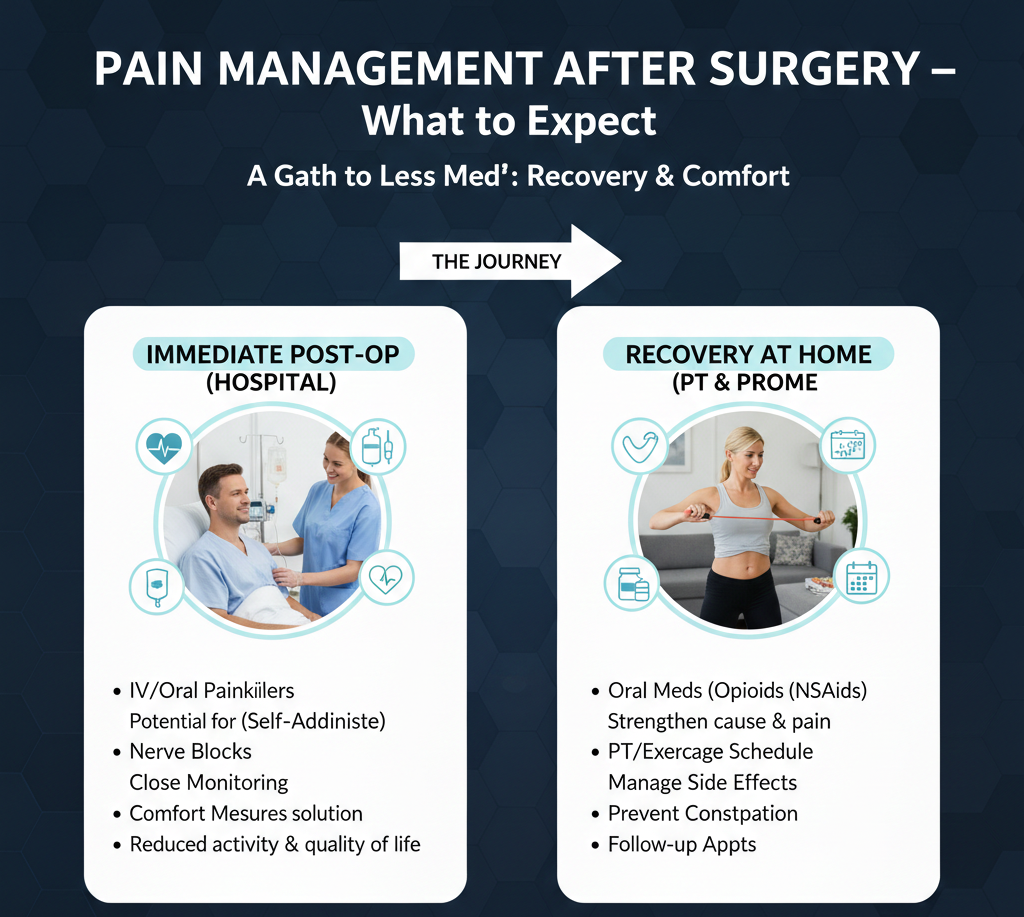
Surgery is often a necessary step toward recovery and improved health, but it is also normal to experience discomfort afterward. Understanding how pain is managed after surgery can help patients feel more prepared, reduce anxiety, and promote a smoother healing process. Modern healthcare focuses on controlling pain effectively while minimizing risks and encouraging faster recovery.
Pain management after surgery is not just about taking medications. It usually involves a combination of medical treatments, physical strategies, and self-care techniques designed to support healing and improve comfort. Every patient’s experience is unique, depending on the type of surgery, overall health, and individual pain tolerance.
This guide explains what to expect during post-surgical pain management, common treatment approaches, recovery timelines, and helpful tips to manage discomfort safely.
Why Pain Management Matters After Surgery
Pain is a natural response to tissue injury caused by surgical procedures. While some discomfort is expected, uncontrolled pain can interfere with healing and daily activities.
Effective pain control helps:
-
Improve mobility and encourage early movement
-
Support faster recovery and rehabilitation
-
Reduce stress and anxiety
-
Promote better sleep
-
Prevent complications such as blood clots or pneumonia
Healthcare providers aim to maintain a balance—reducing pain enough to allow normal function while avoiding unnecessary side effects from medications.
Types of Pain You May Experience
Post-surgical pain can vary depending on the procedure and individual factors.
Acute Surgical Pain
This is the most common type and usually occurs immediately after the operation. It often improves gradually as tissues heal.
Inflammatory Pain
Swelling and inflammation around the surgical site can cause tenderness and stiffness.
Muscle or Joint Pain
Patients may experience soreness from positioning during surgery or reduced movement during recovery.
Nerve-Related Pain
Some procedures may temporarily irritate nerves, causing tingling or burning sensations.
Understanding the type of pain helps healthcare teams choose the most effective treatment plan.
Common Pain Management Methods After Surgery
1. Medications
Medications are often used during the early stages of recovery.
-
Non-opioid pain relievers: Commonly used for mild to moderate pain
-
Anti-inflammatory medications: Help reduce swelling and discomfort
-
Short-term opioid medications: May be prescribed for severe pain immediately after surgery
-
Local anesthetics: Numbing injections or nerve blocks used during or after surgery
Doctors typically adjust medications as recovery progresses to reduce reliance on stronger drugs.
2. Physical Therapy and Movement
Gentle movement helps reduce stiffness, improve circulation, and speed up healing. Physical therapists may guide patients through exercises that restore strength and flexibility safely.
3. Ice and Heat Therapy
Cold therapy helps reduce swelling and inflammation, while heat therapy may be used later in recovery to relax muscles and improve comfort.
4. Relaxation Techniques
Breathing exercises, meditation, and mindfulness practices can help manage discomfort and lower stress levels.
5. Supportive Devices
Braces, compression garments, or assistive tools may help protect the surgical area and reduce strain during recovery.
What to Expect During Different Recovery Phases
Immediately After Surgery
Patients often experience the most intense discomfort within the first few days. Hospitals provide closely monitored pain management using medications and supportive therapies.
First Week of Recovery
Pain levels may still be noticeable but usually begin to improve. Movement becomes more important during this phase, and patients may start gentle exercises.
Weeks Two to Six
Most individuals experience a gradual reduction in pain. Physical therapy and daily activities help restore strength and mobility.
Long-Term Recovery
Some procedures require months of healing. Mild discomfort may persist during activity but generally decreases over time.
Recovery timelines vary widely depending on the complexity of surgery and personal health factors.
Non-Medication Techniques to Support Pain Relief
In addition to prescribed treatments, patients can use several non-drug strategies.
-
Proper rest and sleep positioning
-
Gentle stretching and walking as recommended
-
Deep breathing exercises
-
Maintaining hydration and balanced nutrition
-
Using supportive pillows or cushions
These methods help reduce discomfort while supporting natural healing.
Balancing Pain Relief and Safety
While managing pain is important, safety is equally critical. Patients should:
-
Take medications exactly as prescribed
-
Avoid combining medications without medical advice
-
Watch for side effects such as dizziness or nausea
-
Avoid driving or operating heavy machinery while on strong pain medications
Gradually reducing medication use as recovery improves is often part of the treatment plan.
Signs That Pain May Need Medical Attention
Some discomfort is normal after surgery, but certain symptoms require immediate medical evaluation.
-
Sudden increase in severe pain
-
Fever or signs of infection
-
Redness or swelling that worsens
-
Difficulty breathing or chest pain
-
Persistent numbness or tingling
Reporting unusual symptoms early helps prevent complications.
Emotional and Mental Aspects of Post-Surgical Pain
Pain is not only physical; it can also affect mood and emotional well-being. Patients may feel frustrated, anxious, or discouraged during recovery. Open communication with healthcare providers and support from family or friends can make a significant difference.
Practices such as journaling, relaxation exercises, or counseling may help patients cope with emotional challenges during healing.
How to Prepare for Post-Surgical Pain Management
Planning ahead can make recovery smoother.
-
Discuss pain control options with your surgeon before the procedure
-
Arrange for assistance at home during early recovery
-
Prepare comfortable resting areas and easy-to-reach supplies
-
Stock up on recommended medical items or supportive equipment
Being prepared reduces stress and allows patients to focus on healing.
Tips for a Comfortable Recovery
-
Follow all post-operative instructions carefully
-
Stay active within recommended limits
-
Eat nutritious meals to support tissue repair
-
Keep follow-up appointments with healthcare providers
-
Communicate openly about pain levels and concerns
These steps help ensure effective recovery and reduce complications.
Final Thoughts
Pain after surgery is a normal part of the healing process, but modern medical approaches make it manageable and temporary for most patients. By combining medications, physical therapy, movement strategies, and supportive self-care practices, healthcare teams aim to keep patients comfortable while promoting faster recovery.
Understanding what to expect from post-surgical pain management can reduce fear and help patients stay actively involved in their recovery journey. With proper guidance, realistic expectations, and consistent follow-through on medical advice, most individuals can achieve steady progress toward healing and returning to daily activities.
FAQs
Is guilt a symptom of depression?
Yes, excessive or guilt is listed as a core symptom of Major Depressive Disorder in the DSM-5.
Can guilt cause depression?
While guilt alone doesn’t cause depression, chronic guilt can contribute to its development and worsen existing symptoms.
How do I stop feeling guilty when depressed?
Working with a therapist, practicing self-compassion, and potentially using medication can help manage guilt associated with depression.

Contact us
Have questions? Reach out and we’ll get back to you shortly.
Content
Guilt and Depression at a Glance
How Guilt and Depression Interact
Coping When You’re
Depressed and Feeling Guilty
Evidence-Based Treatments
When to Seek Help
How Loved Ones Can Help
FAQs