
Blog
Natural vs Prescription Treatments for Anxiety

Author:
Medical Writer
Saya Des Marais

Medical Reviewer:
Dr. Russell A. Barkley, Ph.D
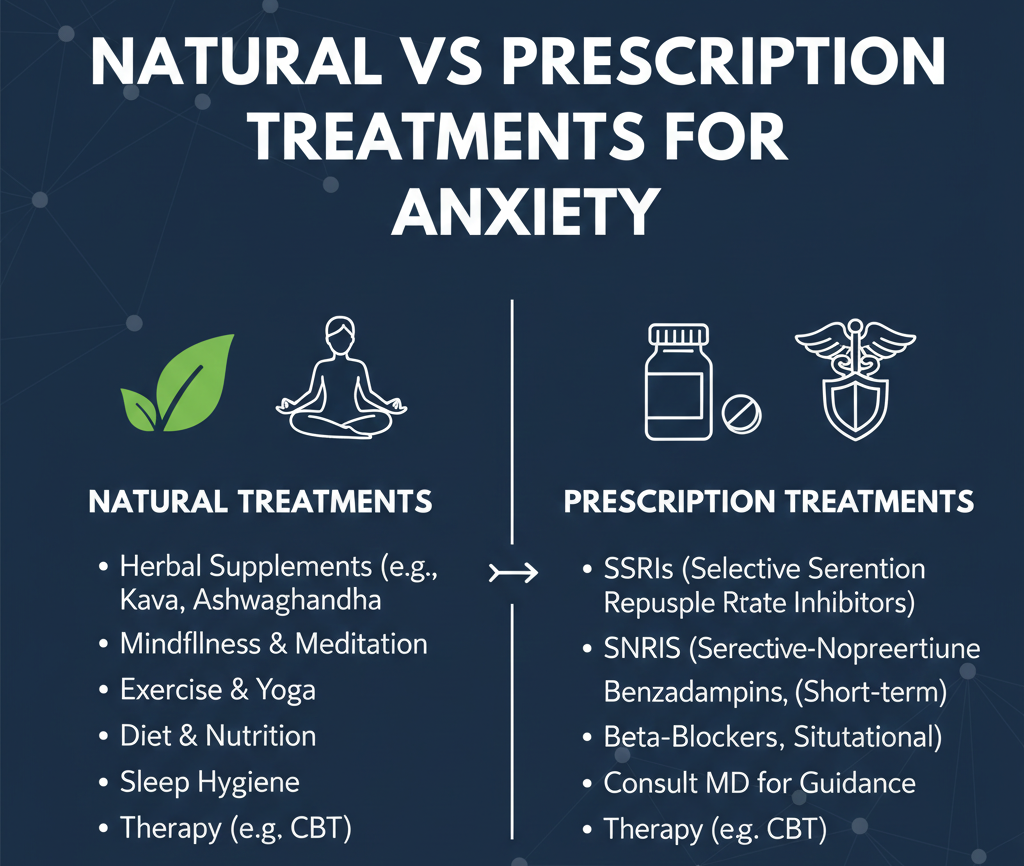
Anxiety disorders affect millions of adults and can significantly impact daily life, relationships, and overall well-being. While anxiety is a natural response to stress, persistent or intense anxiety often requires targeted management. Two primary approaches are commonly discussed: natural treatments and prescription treatments.
Understanding the differences between these approaches can help individuals make informed decisions in collaboration with healthcare professionals. This article explores how natural and prescription treatments for anxiety work, their potential benefits, limitations, and when each approach may be appropriate.
Understanding Anxiety Treatment Approaches
Anxiety treatment is not one-size-fits-all. Effective management often involves a combination of lifestyle changes, therapy, and, in some cases, medication. The choice between natural and prescription treatments depends on factors such as symptom severity, duration, underlying causes, and individual preferences.
Natural Treatments for Anxiety
Natural treatments focus on lifestyle changes, behavioral strategies, and non-pharmaceutical approaches to reduce anxiety symptoms and improve emotional resilience.
1. Psychotherapy and Counseling
Although often grouped separately from “natural remedies,” therapy is a foundational non-medication approach.
Cognitive Behavioral Therapy (CBT) is widely recognized for helping individuals:
-
Identify negative thought patterns
-
Develop coping skills
-
Reduce avoidance behaviors
Other therapeutic approaches include mindfulness-based therapy and stress-reduction techniques.
2. Lifestyle Modifications
Certain lifestyle changes can significantly influence anxiety levels.
Key strategies include:
-
Regular physical activity to regulate stress hormones
-
Adequate sleep to support emotional regulation
-
Balanced nutrition to stabilize energy and mood
-
Limiting caffeine and alcohol
Over time, these habits can strengthen the body’s ability to manage stress naturally.
3. Relaxation and Mindfulness Techniques
Mindfulness practices help calm the nervous system and reduce anxiety intensity.
Examples include:
-
Deep breathing exercises
-
Meditation
-
Yoga
-
Progressive muscle relaxation
These techniques activate the parasympathetic nervous system, promoting relaxation and reducing the “fight or flight” response.
4. Social Support and Community
Strong social connections can buffer against anxiety. Talking with friends, family members, or support groups can reduce feelings of isolation and emotional distress.
5. Natural Supplements and Herbal Approaches
Some individuals explore herbal supplements such as chamomile or valerian root. However, scientific evidence varies, and interactions with medications are possible.
Important: Always consult a healthcare provider before using supplements.
Benefits of Natural Treatments
Natural approaches offer several advantages:
-
Minimal risk of medication-related side effects
-
Long-term skill-building and resilience
-
Holistic improvement in mental and physical health
They are often recommended for mild to moderate anxiety or as complementary strategies alongside medical treatment.
Limitations of Natural Treatments
Despite their benefits, natural approaches may not be sufficient for everyone.
Potential limitations include:
-
Slower symptom relief
-
Limited effectiveness for severe anxiety
-
Need for consistent effort and time
For individuals with intense or disabling symptoms, natural methods alone may not provide adequate relief.
Prescription Treatments for Anxiety
Prescription treatments involve medications prescribed by healthcare professionals to help regulate brain chemistry and reduce anxiety symptoms.
Common Categories of Prescription Medications
Healthcare providers may consider different types of medications depending on the individual’s condition.
-
Antidepressants: Often used for long-term anxiety management.
-
Anti-anxiety medications: May be used for short-term symptom relief.
-
Other medications: Sometimes prescribed for specific symptoms or coexisting conditions.
Medication decisions are based on clinical evaluation, medical history, and potential risks.
How Prescription Treatments Work
Prescription medications influence neurotransmitters such as serotonin, dopamine, and GABA, which play a role in mood regulation and stress responses.
By adjusting brain chemistry, these medications can:
-
Reduce excessive worry
-
Improve emotional stability
-
Decrease physical symptoms of anxiety
Benefits of Prescription Treatments
Prescription treatments may offer:
-
Faster symptom relief
-
Effectiveness for moderate to severe anxiety
-
Improved functioning in daily life
For many individuals, medication can provide stability that enables them to engage more effectively in therapy and lifestyle changes.
Risks and Considerations of Prescription Treatments
Like all medical interventions, prescription medications carry potential risks.
Possible considerations include:
-
Side effects such as fatigue, dizziness, or digestive changes
-
Need for medical monitoring
-
Risk of dependence with certain medications
-
Individual variation in response
For these reasons, prescription treatments should always be guided by qualified healthcare professionals.
Natural vs Prescription Treatments: Key Differences
| Aspect | Natural Treatments | Prescription Treatments |
|---|---|---|
| Approach | Lifestyle, therapy, mindfulness | Medication-based |
| Speed of Results | Gradual | Often faster |
| Side Effects | Minimal | Possible side effects |
| Suitability | Mild to moderate anxiety | Moderate to severe anxiety |
| Long-Term Impact | Builds coping skills | Stabilizes symptoms |
Combining Natural and Prescription Approaches
In many cases, the most effective anxiety management involves a combination of both approaches. For example:
-
Medication may reduce symptom intensity
-
Therapy and lifestyle changes address underlying causes
This integrated approach often leads to better long-term outcomes.
When to Seek Professional Guidance
Professional support is recommended if:
-
Anxiety persists despite lifestyle changes
-
Symptoms interfere with daily life
-
Panic attacks occur
-
Emotional distress worsens
A healthcare provider can help determine the most appropriate treatment strategy.
Final Thoughts
Both natural and prescription treatments play important roles in managing anxiety. Natural approaches emphasize long-term resilience and emotional balance, while prescription treatments can provide crucial symptom relief for more severe cases. Understanding the strengths and limitations of each approach empowers individuals to make informed decisions about their mental health.
With the right combination of strategies and professional guidance, many people successfully manage anxiety and improve their quality of life.
⚠️ Medical Disclaimer
This content is for informational purposes only and does not replace professional medical advice, diagnosis, or treatment. Always consult a qualified healthcare provider regarding mental health concerns.
FAQs
Is guilt a symptom of depression?
Yes, excessive or guilt is listed as a core symptom of Major Depressive Disorder in the DSM-5.
Can guilt cause depression?
While guilt alone doesn’t cause depression, chronic guilt can contribute to its development and worsen existing symptoms.
How do I stop feeling guilty when depressed?
Working with a therapist, practicing self-compassion, and potentially using medication can help manage guilt associated with depression.

Contact us
Have questions? Reach out and we’ll get back to you shortly.
Content
Guilt and Depression at a Glance
How Guilt and Depression Interact
Coping When You’re
Depressed and Feeling Guilty
Evidence-Based Treatments
When to Seek Help
How Loved Ones Can Help
FAQs