
Blog
How to Manage Pain Without Overusing Medication

Author:
Medical Writer
Saya Des Marais

Medical Reviewer:
Dr. Russell A. Barkley, Ph.D
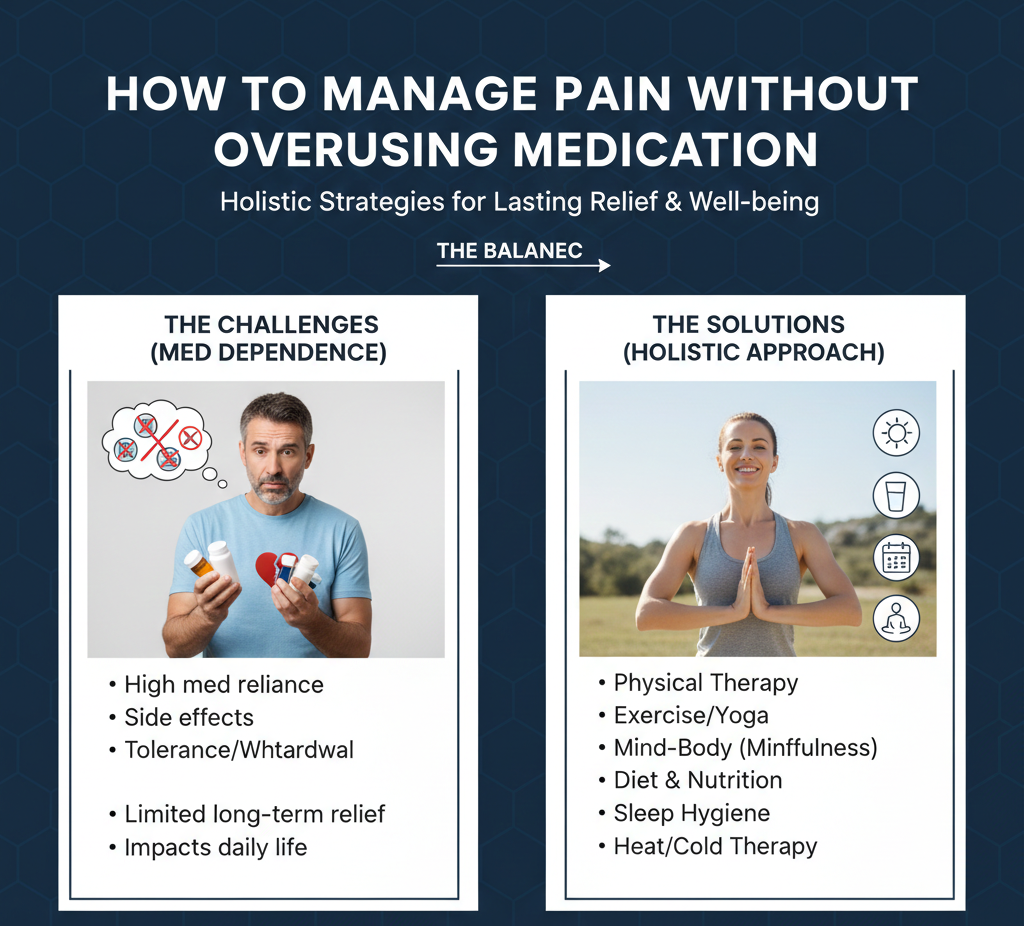
Pain is a common part of life, whether it’s caused by injury, chronic illness, surgery, or daily stress on the body. While medications can be extremely helpful for managing discomfort, relying too heavily on them may lead to unwanted side effects, tolerance, or long-term health risks. Many people are now looking for safer, more balanced ways to control pain without overusing medication.
Fortunately, there are many effective strategies that combine medical guidance, lifestyle adjustments, and non-drug therapies to provide relief while supporting overall health. In this article, we’ll explore practical and evidence-based approaches to managing pain responsibly and improving quality of life.
Understanding Pain and Medication Use
Pain medications work by reducing inflammation, blocking pain signals, or affecting the brain’s perception of discomfort. They are often essential for acute injuries, post-surgical recovery, or severe chronic conditions. However, long-term overuse may lead to problems such as:
-
Increased tolerance requiring higher doses
-
Dependency or misuse risks
-
Digestive issues or organ strain
-
Fatigue or cognitive changes
The goal isn’t to avoid medication completely but to use it wisely as part of a broader pain management plan.
1. Stay Active With Gentle Movement
One of the most effective ways to manage pain naturally is through regular physical activity. While rest is important during acute injuries, prolonged inactivity can lead to stiffness, muscle weakness, and increased discomfort.
Low-impact exercises that often help include:
-
Walking or light jogging
-
Stretching and flexibility routines
-
Swimming or water aerobics
-
Yoga or Pilates
Movement improves circulation, strengthens muscles, and releases endorphins—natural chemicals that reduce pain and boost mood.
2. Try Physical Therapy and Rehabilitation
Physical therapy is a powerful tool for managing both acute and chronic pain conditions. A trained therapist can design a personalized program to:
-
Improve posture and body mechanics
-
Strengthen supporting muscles
-
Increase mobility and flexibility
-
Reduce strain on joints and nerves
Over time, these changes can reduce the need for frequent medication use by addressing the root causes of pain rather than only the symptoms.
3. Use Heat and Cold Therapy
Simple home remedies can be surprisingly effective for pain relief.
-
Cold therapy helps reduce swelling and inflammation after injuries or intense activity.
-
Heat therapy relaxes tight muscles and improves blood flow in chronic conditions.
Applying ice packs, warm compresses, or heating pads for short periods can provide significant relief without medication.
4. Improve Sleep Quality
Poor sleep can worsen pain perception and slow healing. Many individuals with chronic pain experience insomnia or restless nights, which creates a cycle of fatigue and increased discomfort.
Healthy sleep habits include:
-
Maintaining a consistent bedtime routine
-
Limiting screen exposure before sleep
-
Using supportive pillows or mattresses
-
Practicing relaxation techniques
Better rest helps the body recover naturally and may reduce reliance on pain medications.
5. Practice Stress Management Techniques
Stress and emotional tension often intensify physical pain. The brain and nervous system are closely connected, meaning mental strain can worsen symptoms such as headaches, muscle tension, and nerve pain.
Helpful stress-reduction strategies include:
-
Deep breathing exercises
-
Meditation or mindfulness practices
-
Guided relaxation techniques
-
Journaling or creative hobbies
Learning to manage stress can lower pain sensitivity and improve emotional resilience.
6. Explore Complementary Therapies
Many individuals find relief through non-traditional therapies that work alongside medical care.
Popular options include:
-
Massage therapy for muscle tension
-
Acupuncture for nerve-related pain
-
Chiropractic adjustments for spinal alignment
-
Aromatherapy and relaxation techniques
While results vary, combining these approaches with conventional treatment can reduce the need for frequent medication use.
7. Focus on Anti-Inflammatory Nutrition
Diet plays a major role in how the body responds to pain and inflammation. Consuming nutrient-rich foods may help reduce chronic discomfort.
Consider incorporating:
-
Fruits and vegetables rich in antioxidants
-
Omega-3 fatty acids from fish or seeds
-
Whole grains and lean proteins
-
Adequate hydration
Limiting processed foods, excessive sugar, and alcohol may also support better pain management outcomes.
8. Use Cognitive Behavioral Techniques
Cognitive behavioral therapy (CBT) and similar approaches teach individuals how to manage the emotional and psychological aspects of pain. By changing thought patterns and coping mechanisms, people can reduce the intensity of discomfort and improve daily functioning.
Techniques may involve:
-
Identifying negative thinking patterns
-
Setting realistic activity goals
-
Learning pacing strategies to prevent flare-ups
These methods empower patients to take an active role in managing their condition.
9. Consider Assistive Devices and Ergonomic Adjustments
Sometimes pain results from repetitive strain or poor body mechanics. Small changes in daily habits can make a big difference.
Examples include:
-
Ergonomic office chairs or standing desks
-
Supportive footwear or braces
-
Proper lifting techniques
-
Adjustable workstations
Reducing physical stress on the body helps prevent worsening symptoms and reduces the need for medication.
10. Work With a Pain Management Specialist
If pain persists despite lifestyle changes, consulting a healthcare professional can help you explore safe alternatives. Pain management specialists may recommend:
-
Nerve blocks or injections
-
Interventional procedures
-
Behavioral therapy
-
Multidisciplinary rehabilitation programs
Professional guidance ensures that non-medication strategies are used safely and effectively.
Balancing Medication Use Responsibly
While non-drug methods are valuable, medications still play an important role in many treatment plans. Responsible use involves:
-
Following dosage instructions carefully
-
Avoiding self-adjusting medication levels
-
Communicating openly with healthcare providers
-
Reporting side effects or lack of improvement
The aim is to combine medical treatments with healthy habits for the best long-term results.
When to Seek Immediate Medical Attention
Even when focusing on non-medication strategies, certain symptoms require urgent care:
-
Sudden or severe unexplained pain
-
Chest pain or difficulty breathing
-
Loss of movement or sensation
-
High fever with intense discomfort
-
Signs of an allergic reaction
Prompt medical evaluation can prevent serious complications.
Creating a Personalized Pain Management Plan
Every individual experiences pain differently. A successful plan often includes:
-
Medical evaluation and monitoring
-
Physical activity and therapy
-
Mental health support
-
Lifestyle and dietary changes
-
Safe medication use when necessary
Consistency and patience are essential, as long-term improvement often occurs gradually.
Final Thoughts
Managing pain without overusing medication is not about eliminating medical treatment—it’s about building a balanced approach that promotes healing, independence, and overall wellness. By combining physical activity, stress management, healthy nutrition, and professional guidance, many individuals can reduce discomfort while minimizing the risks associated with excessive medication use.
If pain continues to affect your daily life, consider consulting a healthcare provider or pain specialist who can help you develop a comprehensive plan tailored to your needs. With the right strategies and support, it’s possible to regain control, improve mobility, and live more comfortably without relying solely on medication.
FAQs
Is guilt a symptom of depression?
Yes, excessive or guilt is listed as a core symptom of Major Depressive Disorder in the DSM-5.
Can guilt cause depression?
While guilt alone doesn’t cause depression, chronic guilt can contribute to its development and worsen existing symptoms.
How do I stop feeling guilty when depressed?
Working with a therapist, practicing self-compassion, and potentially using medication can help manage guilt associated with depression.

Contact us
Have questions? Reach out and we’ll get back to you shortly.
Content
Guilt and Depression at a Glance
How Guilt and Depression Interact
Coping When You’re
Depressed and Feeling Guilty
Evidence-Based Treatments
When to Seek Help
How Loved Ones Can Help
FAQs