
Blog
How to Avoid Dangerous Drug Interactions

Author:
Medical Writer
Saya Des Marais

Medical Reviewer:
Dr. Russell A. Barkley, Ph.D
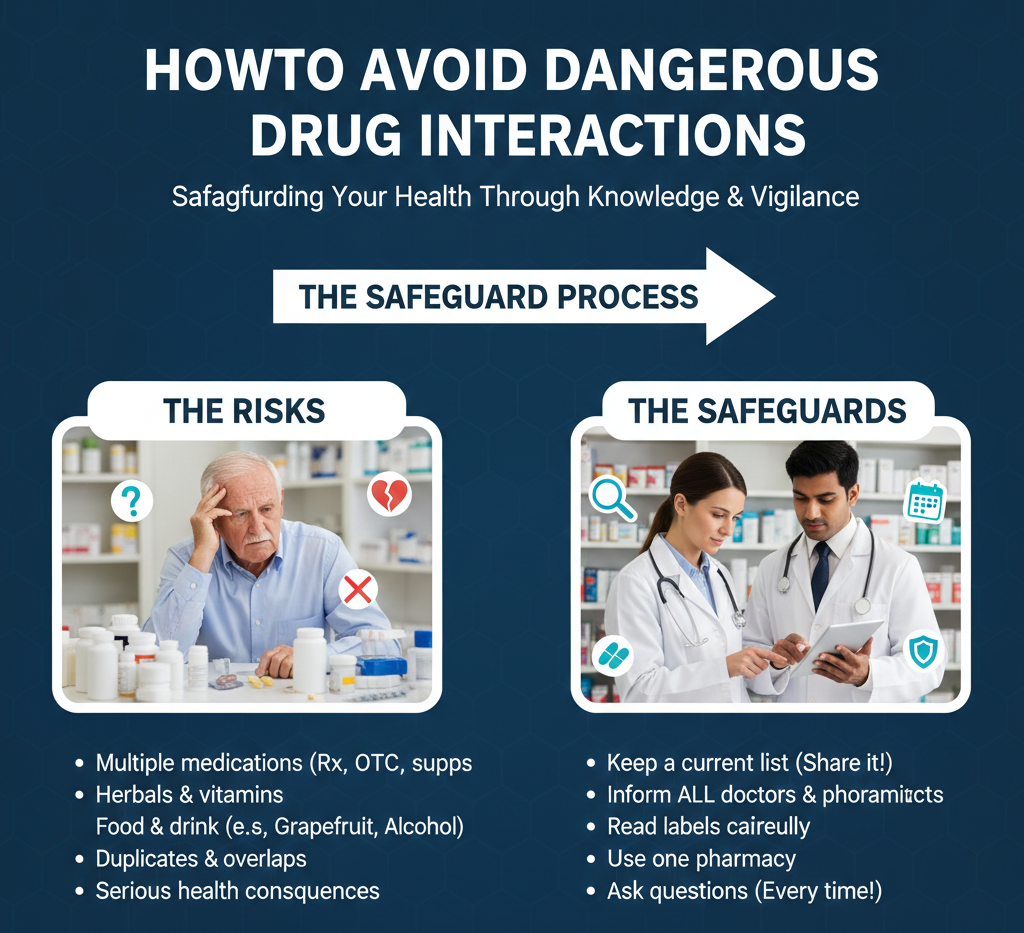
Medications can play a crucial role in managing health conditions, reducing symptoms, and improving overall well-being. However, when multiple drugs are taken together, there is a risk of drug interactions. A drug interaction occurs when one medication changes the way another medication works in your body. This can reduce effectiveness, increase side effects, or even cause serious health complications.
Understanding how to avoid dangerous drug interactions is an important part of medication safety. Whether you take prescription medications, over-the-counter products, or dietary supplements, learning how to manage them responsibly can help prevent unwanted reactions and ensure effective treatment.
What Are Drug Interactions?
Drug interactions happen when two or more substances affect each other’s behavior in the body. These substances may include prescription medications, over-the-counter drugs, herbal supplements, or even certain foods and beverages.
Interactions can occur in several ways:
-
One medication may increase the effects of another
-
A drug may reduce the effectiveness of another medication
-
Combining substances may increase the risk of side effects
-
Some interactions may alter how a drug is absorbed or eliminated
Not all interactions are dangerous, but some require careful monitoring or adjustments from a healthcare provider.
Types of Drug Interactions
Understanding the different types of interactions can help you stay alert and informed.
Drug-to-Drug Interactions
This occurs when two medications affect each other directly. For example, combining sedative medications may increase drowsiness or impair coordination.
Drug-to-Food Interactions
Certain foods or beverages can change how medications work. For example, grapefruit juice is known to affect the metabolism of some drugs.
Drug-to-Supplement Interactions
Herbal products and vitamins can also interact with medications. Some supplements may increase bleeding risk or interfere with medication absorption.
Drug-to-Condition Interactions
Certain medications may worsen existing health conditions, such as high blood pressure or kidney disease.
Being aware of these interaction types can help you make safer decisions when managing medications.
Common Risk Factors for Drug Interactions
Some individuals are more likely to experience drug interactions due to specific factors.
-
Taking multiple medications simultaneously
-
Older age or reduced metabolism
-
Chronic health conditions
-
Using multiple pharmacies without coordination
-
Combining prescription drugs with supplements or alcohol
Patients with complex medication regimens should work closely with healthcare providers to monitor potential risks.
How to Avoid Dangerous Drug Interactions
Preventing drug interactions often comes down to good communication and careful medication management.
Keep a Complete Medication List
Maintain an up-to-date list of all medications, including prescriptions, over-the-counter drugs, vitamins, and supplements. Share this list with your healthcare providers and pharmacists during every visit.
Use One Pharmacy When Possible
Filling prescriptions at the same pharmacy allows pharmacists to monitor your medications for potential interactions.
Follow Instructions Carefully
Take medications exactly as directed, paying attention to timing, food instructions, and dosage limits.
Avoid Self-Medicating
Do not start new medications or supplements without consulting a healthcare professional, even if they seem harmless.
Ask Questions
Whenever you receive a new prescription, ask about possible interactions with your current medications or lifestyle habits.
Food and Beverage Interactions to Watch For
Certain foods and drinks may influence medication effectiveness or safety.
-
Grapefruit juice can alter how some medications are metabolized
-
Alcohol may increase drowsiness or reduce medication effectiveness
-
Caffeine can intensify stimulant effects
-
High-fat meals may delay absorption for some drugs
Always check medication labels for specific dietary instructions and consult your pharmacist if unsure.
Recognizing Signs of a Drug Interaction
Symptoms of a drug interaction can vary depending on the medications involved. Some warning signs include:
-
Unexpected dizziness or fatigue
-
Changes in heart rate or blood pressure
-
Severe headaches
-
Nausea or digestive discomfort
-
Confusion or unusual mood changes
-
Skin reactions or swelling
If you notice sudden or severe symptoms after starting a new medication combination, seek medical advice immediately.
The Role of Healthcare Providers in Preventing Interactions
Doctors, pharmacists, and other healthcare professionals play a critical role in identifying potential drug interactions. They use medical records, clinical guidelines, and specialized tools to evaluate medication safety.
Be honest about all medications you are taking, including herbal remedies and occasional over-the-counter products. This transparency helps healthcare providers make safer prescribing decisions.
Technology and Medication Safety
Modern tools can help patients manage medications more safely. Consider using:
-
Mobile apps to track medications and reminders
-
Electronic health records to share information between providers
-
Online interaction checkers recommended by pharmacists
While technology is helpful, it should not replace professional medical advice.
Special Considerations for Older Adults
Older adults often take multiple medications, which increases the risk of interactions. Age-related changes in metabolism can also affect how drugs are processed.
Helpful strategies include:
-
Scheduling regular medication reviews
-
Simplifying medication schedules
-
Monitoring for new or unusual symptoms
-
Discussing dosage adjustments with healthcare providers
Caregivers and family members can also play a supportive role in ensuring medication safety.
When to Seek Immediate Medical Help
Some drug interactions can cause severe or life-threatening reactions. Seek emergency care if you experience:
-
Difficulty breathing
-
Severe chest pain
-
Sudden swelling of the face or throat
-
Seizures or loss of consciousness
-
Severe allergic reactions
Prompt treatment can prevent serious complications.
Conclusion
Avoiding dangerous drug interactions is an essential part of safe medication use. By understanding how interactions occur and taking proactive steps—such as maintaining an accurate medication list, communicating openly with healthcare providers, and following instructions carefully—you can significantly reduce risks.
Remember that medications, supplements, and even certain foods can influence each other in complex ways. When starting a new treatment or experiencing unusual symptoms, always consult a qualified healthcare professional. With the right knowledge and support, you can manage your medications confidently while protecting your health and well-being.
FAQs
Is guilt a symptom of depression?
Yes, excessive or guilt is listed as a core symptom of Major Depressive Disorder in the DSM-5.
Can guilt cause depression?
While guilt alone doesn’t cause depression, chronic guilt can contribute to its development and worsen existing symptoms.
How do I stop feeling guilty when depressed?
Working with a therapist, practicing self-compassion, and potentially using medication can help manage guilt associated with depression.

Contact us
Have questions? Reach out and we’ll get back to you shortly.
Content
Guilt and Depression at a Glance
How Guilt and Depression Interact
Coping When You’re
Depressed and Feeling Guilty
Evidence-Based Treatments
When to Seek Help
How Loved Ones Can Help
FAQs