
Blog
How Sleep Medications Affect the Brain

Author:
Medical Writer
Saya Des Marais

Medical Reviewer:
Dr. Russell A. Barkley, Ph.D
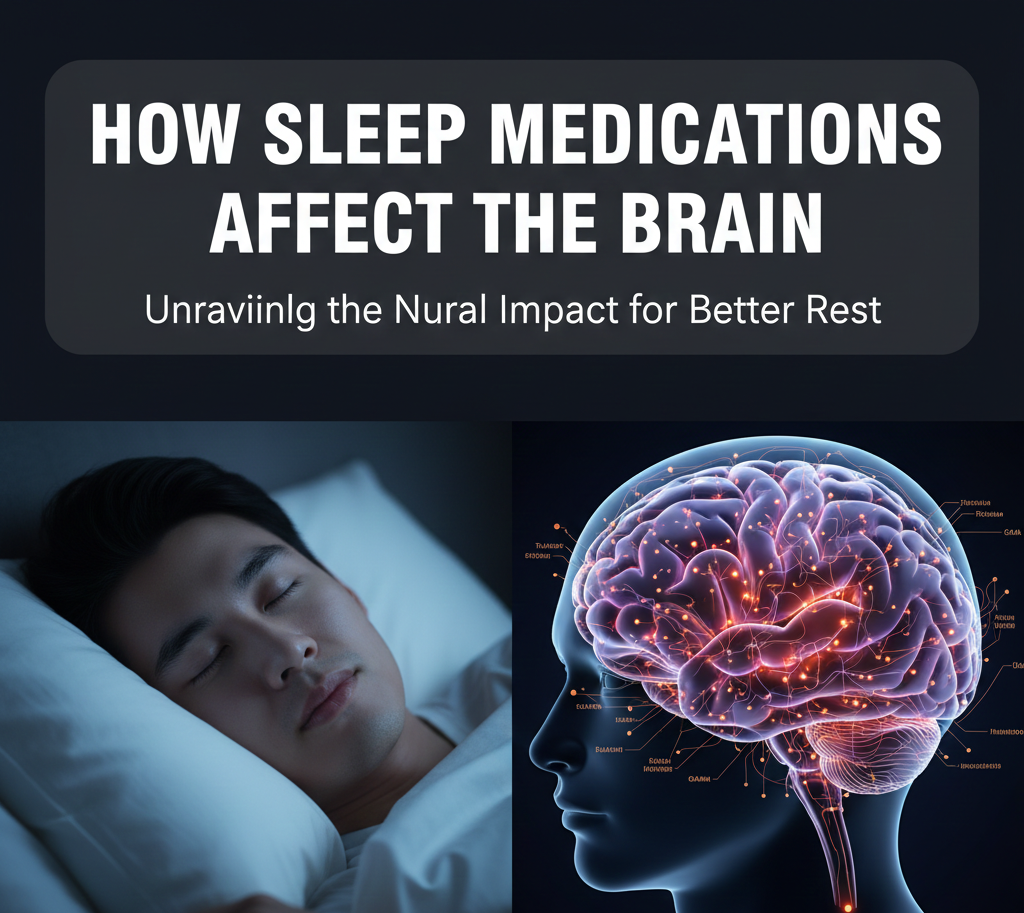
Sleep is essential for mental clarity, emotional balance, physical health, and overall well-being. Yet millions of people struggle with insomnia and other sleep disorders that interfere with daily functioning and long-term health. When lifestyle changes and behavioral therapies are not enough, healthcare providers may prescribe sleep medications to help regulate sleep patterns.
While these medications can be effective in promoting rest, many people wonder how they actually work and what effects they have on the brain. Understanding how sleep medications influence brain chemistry, sleep cycles, and cognitive function can help individuals use them more safely and effectively.
This guide explores how sleep medications interact with the brain, their benefits and potential risks, and important considerations for responsible use.
The Brain’s Role in Sleep Regulation
Sleep is controlled by a complex network of brain structures and neurotransmitters. Key chemicals involved include:
-
GABA (Gamma-Aminobutyric Acid): A calming neurotransmitter that slows brain activity and promotes relaxation.
-
Melatonin: A hormone that regulates circadian rhythms and signals when it is time to sleep.
-
Serotonin: Helps regulate mood and sleep patterns.
-
Histamine and Orexin: Promote wakefulness and alertness.
Sleep medications work by altering the balance of these chemicals, either enhancing relaxation signals or reducing wakefulness pathways.
How Sleep Medications Work in the Brain
Different classes of sleep medications influence the brain in unique ways.
1. Sedative-Hypnotics
Many prescription sleep aids increase the effects of GABA, which slows down brain activity and creates a calming effect. This helps individuals fall asleep faster and reduces nighttime awakenings.
2. Melatonin Receptor Agonists
Some medications mimic melatonin, reinforcing the body’s natural sleep-wake cycle. These drugs help regulate circadian rhythms and are often used for delayed sleep patterns or jet lag-related insomnia.
3. Antihistamine-Based Sleep Aids
Certain over-the-counter sleep medications block histamine receptors in the brain, causing drowsiness and promoting sleepiness.
4. Orexin Receptor Antagonists
Newer sleep medications target orexin, a chemical responsible for maintaining wakefulness. By blocking this signal, the brain becomes more prepared for sleep.
Effects on Brain Activity and Sleep Cycles
Sleep medications can influence both the onset of sleep and the structure of sleep stages.
Falling Asleep Faster
By calming overactive brain circuits, sleep medications reduce racing thoughts and anxiety that often interfere with sleep initiation.
Maintaining Sleep
Some medications help stabilize sleep by decreasing nighttime awakenings and increasing total sleep time.
Changes in Sleep Stages
Sleep involves multiple stages, including light sleep, deep sleep, and REM (rapid eye movement) sleep. Certain medications may reduce REM sleep or alter deep sleep patterns. While this can help people fall asleep more easily, long-term use may affect the natural sleep architecture.
Effects on Memory and Cognitive Function
Because sleep medications influence brain chemistry, they can also impact thinking and memory.
Short-Term Cognitive Effects
-
Slower reaction time
-
Reduced concentration
-
Temporary memory lapses
-
Daytime drowsiness or “brain fog”
These effects are usually mild but can be more noticeable at higher doses or when combined with alcohol or other sedatives.
Long-Term Considerations
Long-term use of certain sleep medications may contribute to tolerance or dependence. Some research suggests potential links between prolonged use and cognitive decline, particularly in older adults, though individual risks vary.
Emotional and Mood Effects
Sleep medications indirectly influence mood by improving sleep quality. Better sleep can lead to:
-
Improved emotional regulation
-
Reduced anxiety
-
Increased energy and motivation
However, some individuals may experience mood changes, irritability, or unusual dreams. Monitoring emotional responses during treatment is important.
Common Benefits of Sleep Medications
When used appropriately, sleep medications can provide several advantages:
-
Faster sleep onset
-
Longer sleep duration
-
Reduced nighttime awakenings
-
Temporary relief during stressful periods
-
Support for severe or chronic insomnia
They are often used as part of a broader treatment plan that includes behavioral strategies and sleep hygiene improvements.
Potential Risks and Side Effects
While sleep medications can be helpful, they also carry risks that users should understand.
Common Side Effects
-
Drowsiness the next day
-
Dizziness
-
Headaches
-
Dry mouth
-
Coordination problems
More Serious Risks
-
Sleepwalking or unusual nighttime behaviors
-
Dependence or withdrawal symptoms
-
Breathing difficulties when combined with other sedatives
-
Increased fall risk in older adults
Always follow medical advice and avoid using medications longer than prescribed.
Safety Tips for Using Sleep Medications
-
Use medication only under healthcare supervision.
-
Take the lowest effective dose for the shortest necessary time.
-
Avoid alcohol and recreational drugs while taking sleep aids.
-
Maintain a consistent sleep schedule.
-
Report unusual behaviors or persistent side effects immediately.
Non-Medication Approaches That Support Brain Health
Many experts recommend combining sleep medications with non-drug approaches, including:
-
Cognitive Behavioral Therapy for Insomnia (CBT-I)
-
Relaxation and breathing exercises
-
Limiting screen exposure before bedtime
-
Creating a dark, quiet sleep environment
-
Regular physical activity during the day
These methods help retrain the brain’s natural sleep rhythms and may reduce the need for long-term medication.
When to Seek Medical Advice
Consult a healthcare professional if:
-
Insomnia persists despite treatment
-
Side effects become severe or disruptive
-
You experience confusion, unusual behavior, or memory problems
-
You feel dependent on sleep medication to function
Early communication can help adjust treatment safely and effectively.
Conclusion
Sleep medications work by altering brain chemistry and calming overactive neural pathways that interfere with rest. By enhancing relaxation signals or reducing wakefulness, they can help individuals fall asleep faster and improve overall sleep quality. However, these medications also influence memory, mood, and sleep cycles, making responsible use essential.
When combined with behavioral strategies and healthy sleep habits, sleep medications can be a valuable tool for managing insomnia and supporting mental well-being. Understanding how they affect the brain empowers individuals to make informed decisions and prioritize long-term sleep health.
FAQs
Is guilt a symptom of depression?
Yes, excessive or guilt is listed as a core symptom of Major Depressive Disorder in the DSM-5.
Can guilt cause depression?
While guilt alone doesn’t cause depression, chronic guilt can contribute to its development and worsen existing symptoms.
How do I stop feeling guilty when depressed?
Working with a therapist, practicing self-compassion, and potentially using medication can help manage guilt associated with depression.

Contact us
Have questions? Reach out and we’ll get back to you shortly.
Content
Guilt and Depression at a Glance
How Guilt and Depression Interact
Coping When You’re
Depressed and Feeling Guilty
Evidence-Based Treatments
When to Seek Help
How Loved Ones Can Help
FAQs