Blog
How Meditation Reshapes the Anxious Brain

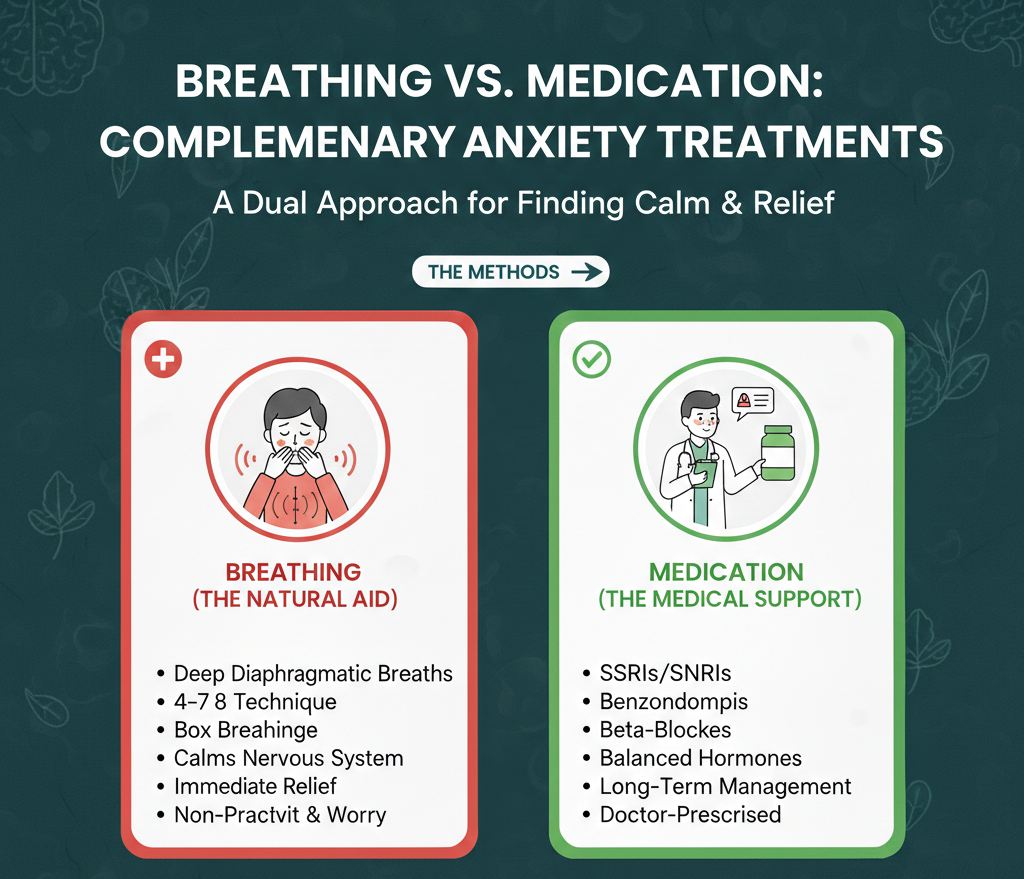
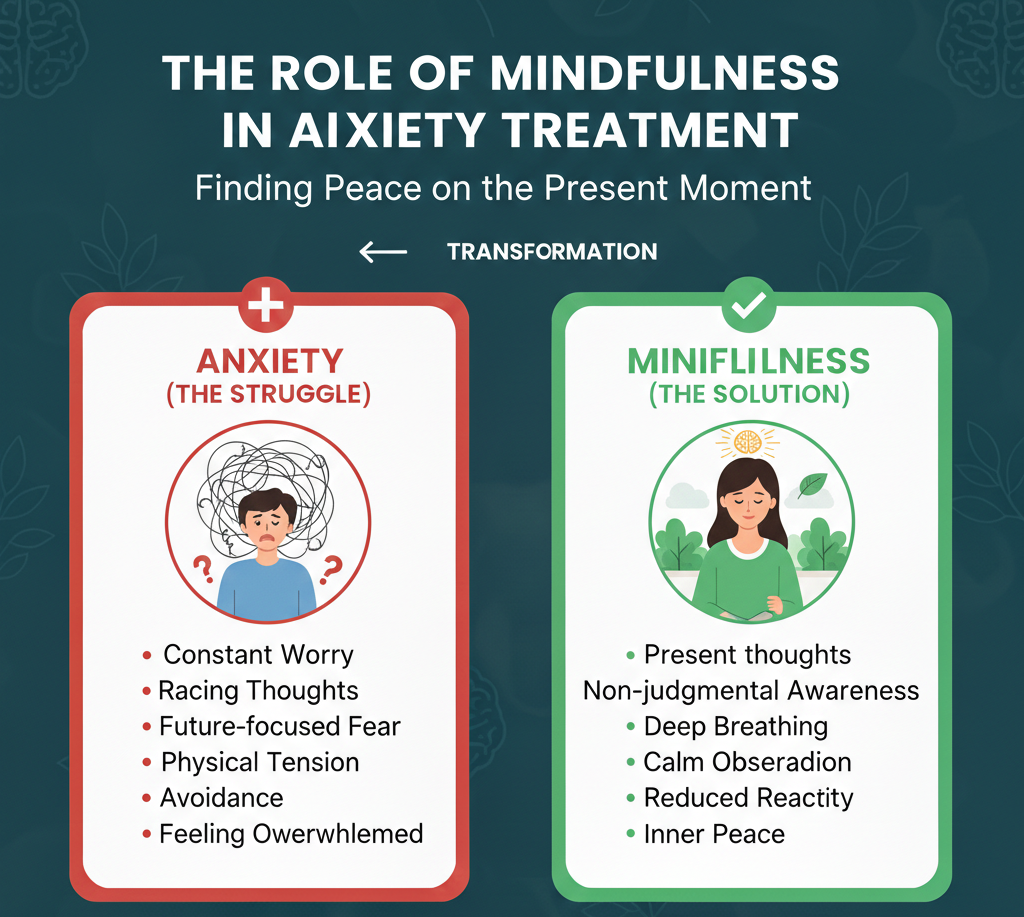
Anxiety often feels overwhelming because it affects both thoughts and physical reactions. Racing thoughts, constant worry, muscle tension, and restlessness are common experiences for individuals living with anxiety. While therapy and medication remain effective treatment options, meditation has gained significant attention as a powerful, natural method for supporting mental health.
Modern neuroscience now confirms what ancient practices have long suggested—meditation can physically reshape the brain, improving emotional regulation and reducing anxiety symptoms over time. Understanding how meditation influences brain function helps explain why consistent practice can lead to lasting calm and resilience.
Understanding the Anxious Brain
To understand meditation’s impact, it is helpful to first examine how anxiety affects brain activity.
In individuals experiencing anxiety, certain brain regions become overactive:
The Amygdala – The Fear Center
The amygdala detects threats and activates the body’s fight-or-flight response. In anxious individuals, this region tends to be highly sensitive, triggering fear responses even when danger is minimal or absent.
The Prefrontal Cortex – Rational Thinking
This part of the brain helps regulate emotions and decision-making. Anxiety can weaken communication between the prefrontal cortex and the amygdala, making it harder to calm fear reactions.
The Default Mode Network (DMN)
The DMN becomes active during self-focused thinking and rumination. Overactivity in this network contributes to excessive worrying and repetitive negative thoughts.
Meditation works by restoring balance among these brain systems.
What Happens in the Brain During Meditation?
Meditation involves intentionally focusing attention—often on breathing, sensations, or the present moment—while gently redirecting wandering thoughts.
Brain imaging studies show several important neurological changes associated with regular meditation practice.
1. Reduced Amygdala Activity
Research indicates that meditation decreases activity in the amygdala, lowering the brain’s automatic fear response.
As a result:
-
Stress reactions become less intense
-
Emotional triggers feel more manageable
-
Panic responses decrease over time
Even short daily meditation sessions can gradually reduce emotional reactivity.
2. Strengthening the Prefrontal Cortex
Meditation improves activity in areas responsible for reasoning, awareness, and emotional control.
This strengthening helps individuals:
-
Pause before reacting emotionally
-
Respond calmly to stress
-
Improve decision-making under pressure
Essentially, meditation enhances the brain’s ability to regulate anxiety rather than be controlled by it.
3. Improved Emotional Regulation
Regular meditation increases connections between brain regions involved in self-awareness and emotional processing.
This leads to:
-
Greater emotional stability
-
Reduced impulsive reactions
-
Increased tolerance for uncertainty
Over time, anxious thoughts lose their intensity and frequency.
4. Reduced Rumination and Overthinking
Mindfulness meditation quiets the Default Mode Network, the brain system responsible for repetitive thinking.
Individuals often notice:
-
Fewer racing thoughts
-
Reduced worry about the future
-
Less dwelling on past mistakes
Mental clarity improves as attention shifts toward the present moment.
Meditation and the Nervous System
Anxiety keeps the nervous system in a heightened alert state. Meditation activates the parasympathetic nervous system, often called the “rest-and-digest” system.
This activation produces measurable physical effects:
-
Slower heart rate
-
Lower blood pressure
-
Relaxed muscles
-
Deeper breathing
These changes counteract the body’s stress response and promote calmness.
Types of Meditation Helpful for Anxiety
Different meditation styles offer unique benefits. Beginners can experiment to find what feels most comfortable.
Mindfulness Meditation
Focuses on observing thoughts and sensations without judgment. This practice teaches acceptance rather than resistance to anxious feelings.
Breathing Meditation
Attention remains on inhalation and exhalation, helping stabilize emotions and calm physical tension.
Body Scan Meditation
Involves gradually focusing awareness on different body areas to release stored tension.
Loving-Kindness Meditation
Encourages compassion toward oneself and others, helping reduce self-criticism often linked with anxiety.
How Long Does Meditation Take to Work?
Meditation benefits develop gradually through consistency rather than intensity.
Many individuals notice:
-
Immediate relaxation after sessions
-
Improved focus within weeks
-
Reduced anxiety symptoms after 6–8 weeks of regular practice
Even 10–15 minutes daily can produce meaningful neurological changes over time.
Practical Tips for Starting Meditation
Beginners often believe meditation requires complete mental silence, but wandering thoughts are normal.
Helpful starting tips include:
-
Begin with short sessions (5–10 minutes)
-
Choose a quiet environment
-
Focus gently on breathing
-
Allow thoughts to pass without judgment
-
Practice consistently rather than perfectly
Guided meditation apps or recordings can make the process easier for beginners.
Combining Meditation With Other Anxiety Treatments
Meditation works best as part of a comprehensive mental health approach.
It can effectively complement:
-
Cognitive Behavioral Therapy (CBT)
-
Lifestyle improvements
-
Exercise routines
-
Sleep hygiene practices
-
Medication when prescribed
Many healthcare providers now recommend mindfulness practices alongside traditional treatments.
Long-Term Benefits of Meditation for Anxiety
Consistent meditation practice may lead to lasting improvements such as:
-
Increased resilience to stress
-
Improved concentration
-
Better sleep quality
-
Enhanced emotional awareness
-
Reduced frequency of panic symptoms
-
Greater overall well-being
Importantly, meditation helps individuals change their relationship with anxiety rather than attempting to eliminate emotions entirely.
Common Challenges and How to Overcome Them
Beginners may encounter obstacles such as restlessness or impatience.
“I Can’t Stop Thinking”
Meditation is not about stopping thoughts—it is about noticing them without reacting.
Lack of Time
Short sessions integrated into daily routines are effective.
Difficulty Staying Consistent
Link meditation to existing habits, such as morning routines or bedtime preparation.
Progress comes from regular practice rather than perfection.
When Professional Support Is Still Important
While meditation provides powerful mental health benefits, individuals experiencing severe anxiety, panic disorder, or depression may still require professional treatment.
Meditation should be viewed as a supportive tool rather than a replacement for medical care when symptoms are significant.
Final Thoughts
Meditation offers more than temporary relaxation—it actively reshapes the anxious brain. By reducing fear responses, strengthening emotional regulation, and calming the nervous system, meditation helps individuals develop lasting resilience against anxiety.
With consistent practice, meditation trains the mind to respond thoughtfully rather than react automatically to stress. Over time, this transformation allows greater calm, clarity, and emotional balance.
Incorporating meditation into daily life can become a powerful step toward improved mental wellness, helping individuals manage anxiety naturally while supporting long-term psychological health.