
Blog
How Exercise Improves Mental Health and Reduces Anxiety

Author:
Medical Writer
Saya Des Marais

Medical Reviewer:
Dr. Russell A. Barkley, Ph.D
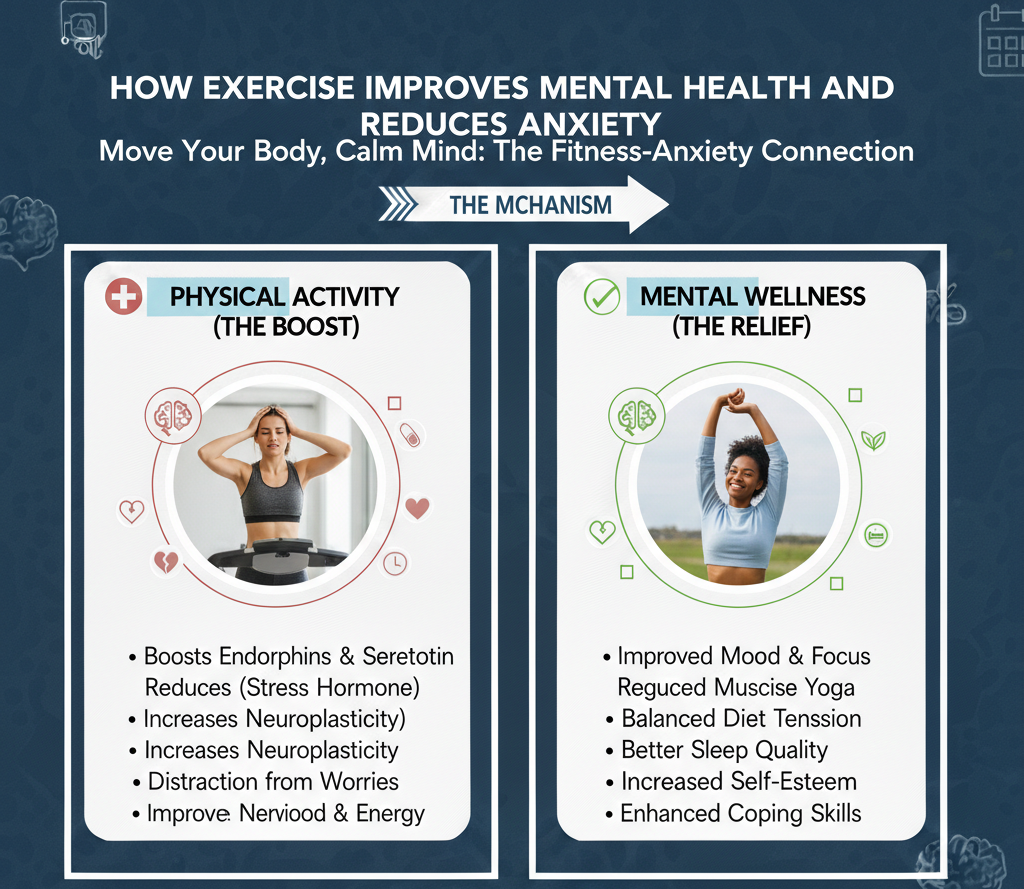
Anxiety is one of the most common mental health concerns today. From constant worry and restlessness to sleep disturbances and panic symptoms, anxiety can interfere with daily life in significant ways. While therapy and medication are often essential components of treatment, one powerful yet sometimes underestimated tool is regular physical activity.
Exercise is not just about building muscle or improving cardiovascular health. It has profound effects on brain chemistry, stress hormones, sleep patterns, and emotional resilience. Understanding how exercise improves mental health and reduces anxiety can empower individuals to incorporate movement into their overall treatment plan.
The Science Behind Exercise and Anxiety
When you engage in physical activity, your body releases chemicals that directly influence mood and stress levels.
Endorphins: The “Feel-Good” Chemicals
Exercise stimulates the release of endorphins — natural chemicals that reduce pain perception and promote feelings of well-being. These chemicals can create a mild sense of euphoria often referred to as a “runner’s high.”
Serotonin and Dopamine
Physical activity also helps regulate neurotransmitters like serotonin and dopamine. These brain chemicals play essential roles in mood stabilization, motivation, and emotional regulation. Balanced levels are associated with reduced anxiety and improved mental clarity.
Reduced Stress Hormones
Exercise lowers levels of cortisol and adrenaline — hormones released during the body’s stress response. Chronic high cortisol levels are linked to persistent anxiety, irritability, and sleep disruption. Regular movement helps reset this system.
Exercise as a Natural Stress Regulator
Anxiety activates the body’s fight-or-flight response. Muscles tense, breathing becomes shallow, and heart rate increases. Exercise mimics this stress response in a controlled, healthy way.
When you run, lift weights, or cycle, your heart rate rises and breathing deepens — similar to anxiety. However, because the activity is voluntary and beneficial, your brain learns that these physical sensations are not dangerous.
Over time, this may reduce sensitivity to anxiety-related physical symptoms such as rapid heartbeat or shortness of breath.
Improved Sleep Quality
Sleep and anxiety are closely connected. Poor sleep can worsen anxiety symptoms, while anxiety can interfere with restful sleep.
Regular exercise helps regulate circadian rhythms, improve sleep quality, and increase time spent in deep sleep. Better sleep leads to improved emotional stability and lower stress levels the next day.
However, intense workouts close to bedtime may interfere with sleep for some individuals. Moderate exercise earlier in the day often works best.
Increased Confidence and Self-Esteem
Anxiety can sometimes erode confidence and self-worth. Achieving small fitness goals — such as completing a walk, lifting heavier weights, or maintaining a consistent routine — can build a sense of accomplishment.
This increased self-efficacy may translate into greater confidence in other areas of life, reducing social anxiety and self-doubt.
Types of Exercise That Help Reduce Anxiety
The good news is that you do not need extreme workouts to experience mental health benefits. Different types of exercise can support anxiety reduction.
1. Aerobic Exercise
Activities like walking, jogging, swimming, or cycling improve cardiovascular health and significantly reduce stress levels. Even 30 minutes of brisk walking several times per week can produce measurable benefits.
2. Strength Training
Resistance exercises help improve muscle tone while boosting mood-enhancing neurotransmitters. Strength training also provides a sense of structure and goal achievement.
3. Yoga
Yoga combines physical movement with controlled breathing and mindfulness. It can reduce muscle tension and activate the parasympathetic nervous system — the body’s relaxation response.
4. Tai Chi and Mindful Movement
Slow, controlled movements paired with breathing exercises may help calm the nervous system and improve focus.
5. Outdoor Activities
Exercising outdoors may provide additional benefits. Exposure to natural light supports vitamin D production and may enhance mood regulation.
How Much Exercise Is Enough?
The Centers for Disease Control and Prevention (CDC) recommends at least 150 minutes of moderate-intensity exercise per week for overall health.
For anxiety management, even shorter sessions — 10 to 15 minutes of brisk movement — can help reduce acute stress levels. Consistency matters more than intensity.
Starting small and gradually increasing duration is often the most sustainable approach.
Breaking the Anxiety–Inactivity Cycle
Anxiety can sometimes reduce motivation to exercise. Fatigue, low mood, and lack of energy may create a cycle of inactivity.
To break this cycle:
-
Set realistic, small goals
-
Choose activities you enjoy
-
Exercise with a friend
-
Schedule workouts like appointments
-
Focus on how you feel afterward
Even short sessions can build momentum.
Exercise and Brain Structure
Research suggests that regular physical activity may positively affect brain structure. Exercise increases blood flow to the brain and supports neuroplasticity — the brain’s ability to adapt and form new connections.
Some studies show that exercise may increase the size of the hippocampus, a region involved in memory and emotional regulation. Improved brain health contributes to better stress management and reduced anxiety vulnerability.
Social Benefits of Exercise
Group classes, sports teams, or workout communities can provide social interaction. Social connection reduces feelings of isolation, which often accompany anxiety disorders.
Shared activities also promote accountability and routine, further supporting mental well-being.
Exercise as Part of a Comprehensive Treatment Plan
While exercise is highly beneficial, it is not a standalone cure for moderate to severe anxiety disorders. Individuals with significant symptoms may require therapy, medication, or other professional interventions.
However, combining exercise with medical treatment often enhances results. For example:
-
Therapy may improve thought patterns
-
Medication may stabilize brain chemistry
-
Exercise may regulate stress hormones and improve sleep
Together, these approaches create a stronger foundation for recovery.
Safety Considerations
Before starting a new exercise program, especially if you have underlying health conditions, consult a healthcare provider.
Avoid overtraining, as excessive exercise may increase physical stress and fatigue, potentially worsening anxiety in some individuals. Balance and moderation are key.
Practical Tips for Getting Started
If you are new to exercise, try these steps:
-
Start with 10-minute walks daily.
-
Gradually increase intensity over weeks.
-
Track progress in a journal or app.
-
Stretch to reduce muscle tension.
-
Pair exercise with relaxing music or podcasts.
The goal is sustainability, not perfection.
The Long-Term Mental Health Benefits
Over time, consistent exercise may lead to:
-
Lower baseline anxiety levels
-
Improved resilience to stress
-
Enhanced mood stability
-
Better cognitive performance
-
Stronger immune function
The cumulative effect of regular movement can significantly improve quality of life.
Final Thoughts
Exercise is one of the most accessible and effective natural tools for improving mental health and reducing anxiety. By regulating stress hormones, boosting mood-enhancing neurotransmitters, improving sleep, and building confidence, physical activity supports emotional resilience.
While it may not replace professional treatment for severe anxiety, it can play a powerful supportive role. Even small, consistent efforts can make a meaningful difference.
Incorporating exercise into your routine — alongside proper medical guidance when necessary — may help you manage anxiety more effectively and improve overall well-being.
FAQs
Is guilt a symptom of depression?
Yes, excessive or guilt is listed as a core symptom of Major Depressive Disorder in the DSM-5.
Can guilt cause depression?
While guilt alone doesn’t cause depression, chronic guilt can contribute to its development and worsen existing symptoms.
How do I stop feeling guilty when depressed?
Working with a therapist, practicing self-compassion, and potentially using medication can help manage guilt associated with depression.

Contact us
Have questions? Reach out and we’ll get back to you shortly.
Content
Guilt and Depression at a Glance
How Guilt and Depression Interact
Coping When You’re
Depressed and Feeling Guilty
Evidence-Based Treatments
When to Seek Help
How Loved Ones Can Help
FAQs