
Blog
How Diet Impacts Anxiety Levels

Author:
Medical Writer
Saya Des Marais

Medical Reviewer:
Dr. Russell A. Barkley, Ph.D
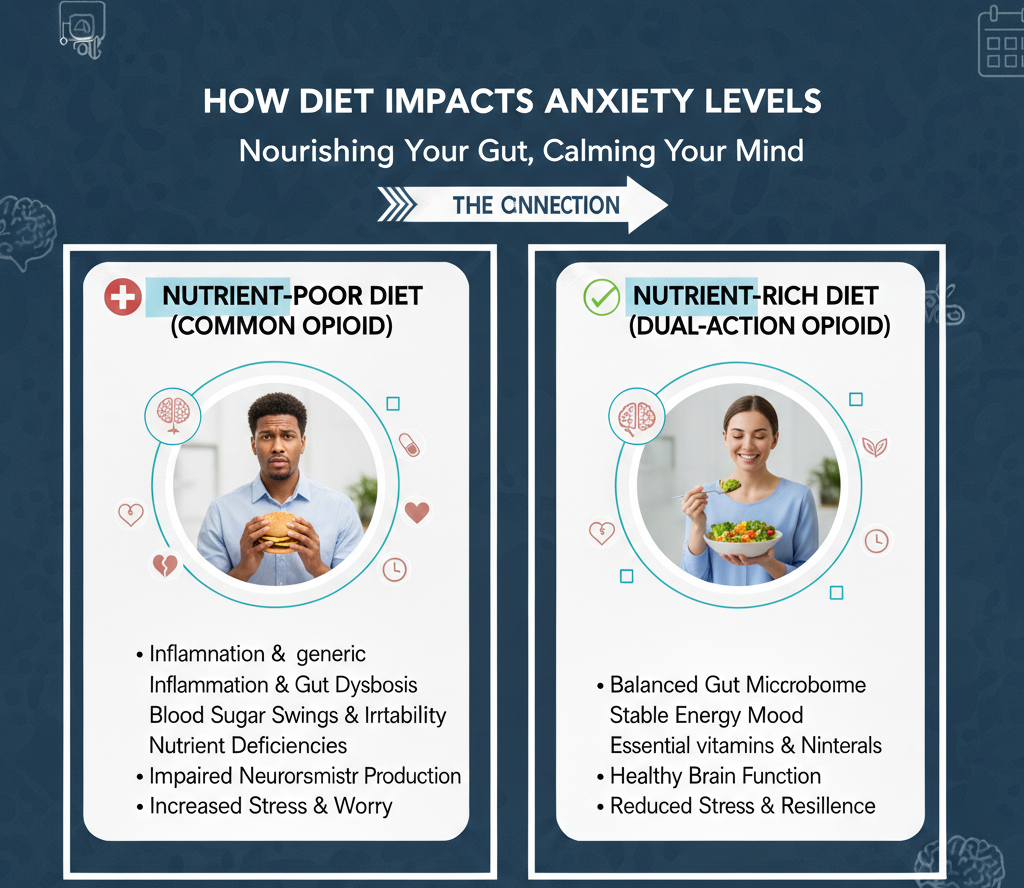
Anxiety is one of the most common mental health concerns worldwide. While therapy, medication, and stress-management techniques are essential treatment tools, many people overlook a powerful factor that influences anxiety every single day: diet.
What you eat directly affects brain chemistry, hormone balance, gut health, and energy levels — all of which play a significant role in anxiety symptoms. In fact, growing research shows that nutrition and mental health are deeply connected.
Understanding how diet impacts anxiety levels can help you make informed choices that support calmer moods, steadier energy, and better emotional balance.
The Gut–Brain Connection: Why Food Affects Anxiety
The gut and brain communicate constantly through what is known as the gut-brain axis. About 90% of serotonin — a neurotransmitter that regulates mood — is produced in the gut. When gut health is disrupted, mood and anxiety levels can also be affected.
An unhealthy diet high in processed foods, refined sugars, and artificial additives can disturb the balance of beneficial gut bacteria. This imbalance may contribute to inflammation, mood swings, and heightened anxiety.
On the other hand, a balanced diet rich in whole foods supports healthy gut bacteria and promotes better emotional stability.
Foods That May Worsen Anxiety
Certain foods and beverages can increase anxiety symptoms, especially when consumed regularly or in excess.
1. Caffeine
Coffee, energy drinks, and some teas contain caffeine, a stimulant that can increase heart rate and trigger jitteriness. For individuals prone to anxiety, excessive caffeine may intensify symptoms such as restlessness, racing thoughts, and panic attacks.
2. Refined Sugar
Sugary snacks, sodas, and processed desserts cause rapid spikes and crashes in blood sugar. These fluctuations can lead to irritability, fatigue, and mood instability — all of which can worsen anxiety.
3. Highly Processed Foods
Fast food, packaged snacks, and processed meats often contain preservatives and unhealthy fats that may increase inflammation in the body. Chronic inflammation has been linked to mood disorders and anxiety.
4. Alcohol
While alcohol may initially feel relaxing, it disrupts sleep, alters brain chemistry, and can increase anxiety symptoms the following day. Over time, alcohol can worsen overall mental health.
Nutrients That Support Anxiety Reduction
Just as certain foods can worsen anxiety, others may help reduce it. Incorporating nutrient-rich foods into your daily routine can support mental well-being.
1. Omega-3 Fatty Acids
Found in fatty fish like salmon, walnuts, and flaxseeds, omega-3s support brain health and reduce inflammation. Studies suggest omega-3 intake may help lower anxiety symptoms.
2. Magnesium
Magnesium plays a role in relaxation and nervous system regulation. Foods like spinach, almonds, pumpkin seeds, and dark chocolate are excellent sources. Low magnesium levels have been associated with increased anxiety.
3. B Vitamins
B vitamins, especially B6 and B12, are essential for neurotransmitter production. Whole grains, eggs, leafy greens, and legumes provide these key nutrients.
4. Probiotics and Fermented Foods
Yogurt with live cultures, kefir, kimchi, and sauerkraut support healthy gut bacteria. A balanced microbiome may positively influence mood and stress response.
5. Complex Carbohydrates
Whole grains, oats, and quinoa help maintain stable blood sugar levels and promote steady energy, reducing mood swings linked to anxiety.
Blood Sugar Stability and Anxiety
One of the most overlooked aspects of anxiety management is blood sugar balance. Skipping meals or consuming high-sugar foods can cause blood sugar to drop quickly, triggering symptoms similar to anxiety — such as shakiness, sweating, and rapid heartbeat.
Eating balanced meals that include protein, healthy fats, and complex carbohydrates can help stabilize blood sugar and reduce anxiety-like sensations throughout the day.
Hydration and Anxiety
Dehydration can contribute to fatigue, poor concentration, and increased stress levels. Even mild dehydration may elevate cortisol (the stress hormone). Drinking adequate water daily supports cognitive clarity and emotional regulation.
The Role of Inflammation in Anxiety
Chronic inflammation in the body has been linked to mental health disorders, including anxiety and depression. Diets high in refined carbohydrates, fried foods, and processed meats may increase inflammatory markers.
Anti-inflammatory foods such as berries, leafy greens, olive oil, turmeric, and fatty fish may help support overall mental well-being.
Can Diet Replace Anxiety Medication?
While nutrition plays an important supportive role, diet alone is not a replacement for prescribed anxiety treatments. Moderate to severe anxiety often requires a comprehensive treatment plan that may include therapy, lifestyle changes, and medication.
However, combining healthy dietary habits with professional treatment can enhance overall results and improve long-term outcomes.
If you are taking prescription medications for anxiety, it’s important to follow medical guidance and avoid making changes without consulting a healthcare provider.
Practical Tips for an Anxiety-Supportive Diet
Making dietary changes does not have to be overwhelming. Start with small, sustainable adjustments:
-
Eat regular, balanced meals
-
Reduce caffeine gradually
-
Replace sugary snacks with fruits or nuts
-
Add leafy greens to daily meals
-
Include fatty fish twice per week
-
Stay hydrated
-
Limit highly processed foods
Consistency matters more than perfection.
The Mindful Eating Approach
Beyond food choices, how you eat also matters. Eating slowly, without distractions, and paying attention to hunger cues can improve digestion and reduce stress during meals. Mindful eating may help prevent emotional eating patterns linked to anxiety.
The Bigger Picture: Lifestyle Matters Too
Diet is one piece of the anxiety puzzle. Sleep quality, exercise, social support, and stress management techniques all influence mental health.
A balanced approach — combining nutrition, therapy, physical activity, and appropriate medical care — provides the strongest foundation for anxiety management.
Final Thoughts
The connection between diet and anxiety is powerful and often underestimated. What you eat affects your gut health, brain chemistry, inflammation levels, and blood sugar stability — all of which influence how you feel emotionally.
While no single food can cure anxiety, consistent healthy eating patterns can significantly support mood stability and stress resilience.
If you struggle with anxiety, consider evaluating your dietary habits alongside your treatment plan. Small nutritional improvements may lead to noticeable changes in energy, mood, and overall well-being.
FAQs
Is guilt a symptom of depression?
Yes, excessive or guilt is listed as a core symptom of Major Depressive Disorder in the DSM-5.
Can guilt cause depression?
While guilt alone doesn’t cause depression, chronic guilt can contribute to its development and worsen existing symptoms.
How do I stop feeling guilty when depressed?
Working with a therapist, practicing self-compassion, and potentially using medication can help manage guilt associated with depression.

Contact us
Have questions? Reach out and we’ll get back to you shortly.
Content
Guilt and Depression at a Glance
How Guilt and Depression Interact
Coping When You’re
Depressed and Feeling Guilty
Evidence-Based Treatments
When to Seek Help
How Loved Ones Can Help
FAQs