Blog
How Diet Can Affect Medication Effectiveness

Author:
Medical Writer
Saya Des Marais

Medical Reviewer:
Dr. Russell A. Barkley, Ph.D
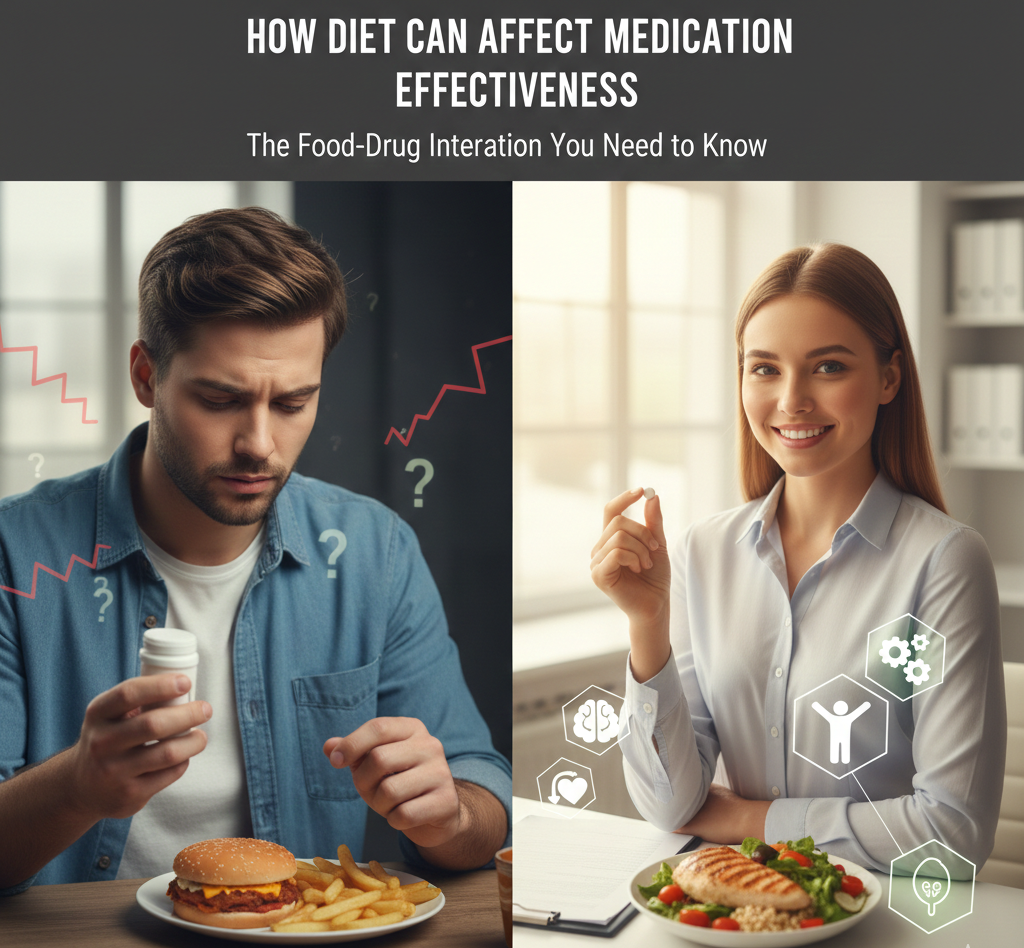
Medication plays an essential role in managing many health conditions, from mental health disorders to chronic physical illnesses. However, many people are unaware that diet can significantly influence how medications work in the body. The foods you eat, the beverages you drink, and even the timing of meals can affect how quickly a drug is absorbed, how effectively it works, and whether side effects occur.
Certain foods may increase or decrease the potency of medications, while others may interfere with absorption or metabolism. Understanding these interactions helps patients achieve better treatment outcomes and avoid unexpected complications.
This guide explains how diet affects medication effectiveness, common food–drug interactions, and practical tips to ensure medications work safely and efficiently.
How the Body Processes Medication
To understand the role of diet, it helps to know how medications move through the body. After a medication is taken, it typically goes through several stages:
-
Absorption: The drug enters the bloodstream through the digestive system.
-
Distribution: It travels through the body to reach target organs.
-
Metabolism: The liver breaks down the medication into usable components.
-
Elimination: The kidneys and other systems remove it from the body.
Food can influence each of these stages, affecting both effectiveness and safety.
How Food Impacts Medication Absorption
Slowing or Speeding Absorption
Some foods slow down digestion, which can delay how quickly medication enters the bloodstream. This may be helpful for certain drugs that need gradual release but problematic for medications intended to work quickly.
On the other hand, taking medication on an empty stomach may allow faster absorption but could increase the risk of stomach irritation.
Fat Content
High-fat meals can increase the absorption of some medications while decreasing the effectiveness of others. For example, certain fat-soluble medications work better when taken with meals containing healthy fats, while others may become too concentrated.
Fiber Intake
Foods high in fiber can bind to certain medications and reduce how much is absorbed. Whole grains, bran, and certain vegetables may interfere with drug effectiveness if consumed at the same time as medication.
Food and Drug Interactions
Some foods directly interact with medications by affecting how they are metabolized.
Citrus Fruits and Enzyme Interactions
Certain fruits may influence enzymes in the liver that break down medications. This can cause drugs to remain in the bloodstream longer than intended, increasing the risk of side effects.
Dairy Products
Calcium-rich foods such as milk, cheese, and yogurt may reduce the absorption of specific medications by binding to active ingredients. This can make treatments less effective if taken simultaneously.
Alcohol
Alcohol can interact with many medications by increasing sedation, impairing liver metabolism, or intensifying side effects. Even small amounts may pose risks when combined with certain drugs.
Nutrients That Affect Medication Performance
Vitamins and Minerals
Supplements and nutrient-rich foods may alter medication effectiveness. For example:
-
Vitamin K can affect blood-thinning medications.
-
Magnesium and calcium may interfere with absorption of certain drugs.
-
Iron supplements can reduce the effectiveness of some antibiotics.
Herbal Products
Herbal remedies such as St. John’s wort or ginseng may interact with medications by affecting liver enzymes, leading to reduced effectiveness or unexpected side effects.
Patients should always inform healthcare providers about supplements and herbal products they use.
Timing Meals and Medications
When you take medication in relation to meals can significantly affect outcomes.
Medications That Should Be Taken with Food
Some medications require food to reduce stomach irritation or improve absorption. These drugs may be less effective or cause discomfort if taken on an empty stomach.
Medications That Should Be Taken on an Empty Stomach
Other medications need to be taken before meals for optimal absorption. Food may block or delay the drug’s entry into the bloodstream.
Always follow instructions on medication labels or provided by healthcare professionals.
Effects of Diet on Mental Health Medications
Diet can influence psychiatric medications as well. For example:
-
High caffeine intake may increase anxiety or interfere with certain treatments.
-
Alcohol can worsen side effects such as drowsiness or impaired coordination.
-
High-sodium diets may affect certain mood stabilizers.
Balanced nutrition supports stable energy levels and enhances the overall effectiveness of mental health treatment.
Special Considerations for Chronic Conditions
People managing chronic conditions should be especially mindful of diet–medication interactions.
Diabetes Medications
Blood sugar levels are strongly affected by food intake. Skipping meals or eating inconsistently may increase the risk of low blood sugar when taking certain medications.
Blood Pressure Treatments
High-sodium diets may counteract medications intended to lower blood pressure.
Cholesterol Medications
Grapefruit and certain supplements may interfere with drugs that regulate cholesterol levels.
Regular monitoring and dietary awareness help maintain consistent treatment outcomes.
Tips for Safe Medication Use with Diet
-
Read Medication Labels Carefully: Instructions often include food-related guidance.
-
Maintain Consistent Eating Habits: Sudden dietary changes can affect medication performance.
-
Avoid Mixing Alcohol with Medication: Unless approved by your healthcare provider.
-
Discuss Supplements with Professionals: Herbal and vitamin products may interact with drugs.
-
Keep a Medication Journal: Track how food affects symptoms or side effects.
Supporting Medication Effectiveness Through Healthy Nutrition
A balanced diet helps medications work more effectively by supporting overall health. Consider:
-
Eating regular meals with adequate protein and healthy fats
-
Staying hydrated throughout the day
-
Limiting excessive caffeine and processed foods
-
Including fruits, vegetables, and whole grains in moderation
-
Maintaining consistent meal timing
Healthy habits complement medical treatment and improve long-term outcomes.
When to Seek Medical Advice
Consult a healthcare professional if you experience:
-
Unexpected side effects after dietary changes
-
Reduced effectiveness of medication
-
Digestive problems when taking medication
-
Questions about combining supplements with prescriptions
Personalized guidance ensures safer and more effective treatment.
Conclusion
Diet plays a powerful role in how medications are absorbed, metabolized, and utilized by the body. Foods, beverages, nutrients, and meal timing can all influence medication effectiveness and safety. By understanding potential food–drug interactions and following professional guidance, patients can optimize treatment outcomes and reduce risks.
Maintaining consistent eating habits, communicating openly with healthcare providers, and combining medication with balanced nutrition supports better health and improved quality of life. Taking a proactive approach to diet and medication management empowers individuals to get the most benefit from their treatment plans.
FAQs
Is guilt a symptom of depression?
Yes, excessive or guilt is listed as a core symptom of Major Depressive Disorder in the DSM-5.
Can guilt cause depression?
While guilt alone doesn’t cause depression, chronic guilt can contribute to its development and worsen existing symptoms.
How do I stop feeling guilty when depressed?
Working with a therapist, practicing self-compassion, and potentially using medication can help manage guilt associated with depression.

Contact us
Have questions? Reach out and we’ll get back to you shortly.
Content
Guilt and Depression at a Glance
How Guilt and Depression Interact
Coping When You’re
Depressed and Feeling Guilty
Evidence-Based Treatments
When to Seek Help
How Loved Ones Can Help
FAQs