Blog
How Anxiety Medication Works: A Beginner’s Guide


Anxiety disorders affect millions of people worldwide, making them one of the most common mental health conditions today. While therapy, lifestyle changes, and stress management techniques play an important role in treatment, many individuals benefit significantly from anxiety medications prescribed by healthcare professionals.
For beginners, understanding how anxiety medication works can feel confusing or overwhelming. Different medications affect the brain in unique ways, and choosing the right treatment depends on individual symptoms and medical history. This guide explains how anxiety medications function, the types available, and what patients can expect during treatment.
Understanding Anxiety and Brain Chemistry
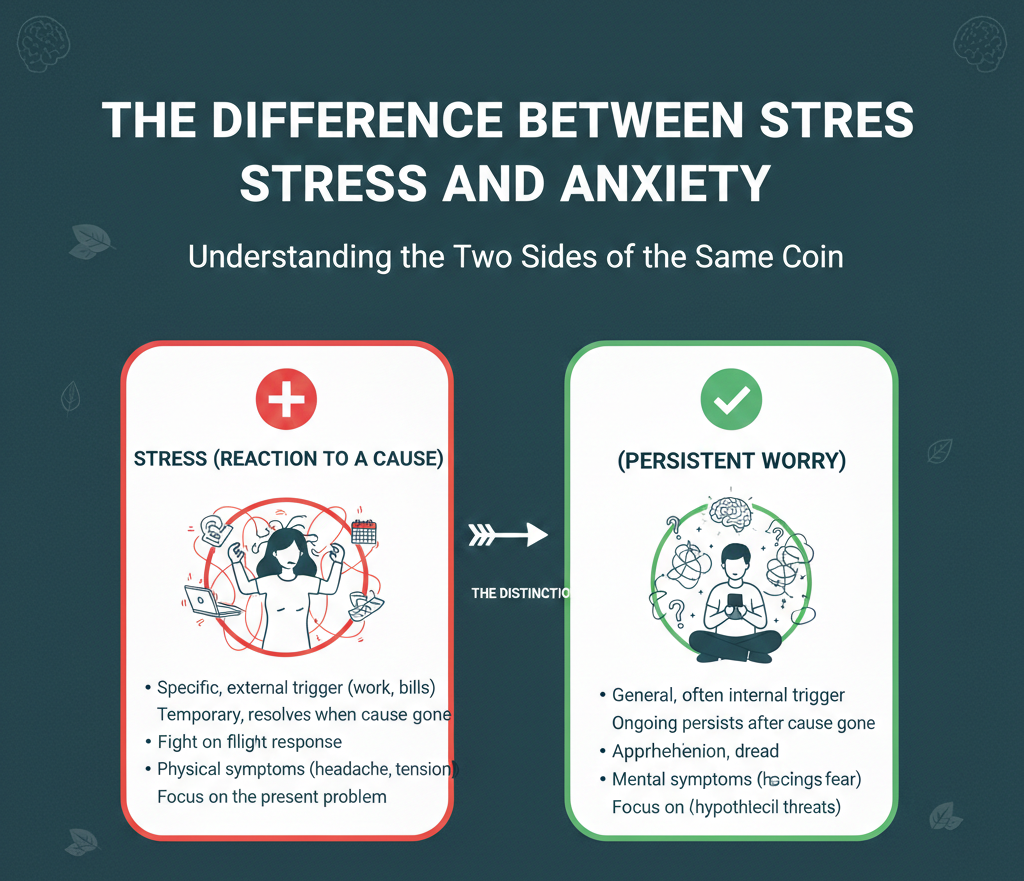
Anxiety is closely connected to how the brain regulates emotions and stress responses. Certain chemicals in the brain, known as neurotransmitters, help control mood, fear, and relaxation.
Key neurotransmitters involved in anxiety include:
-
Serotonin – regulates mood and emotional stability
-
Gamma-aminobutyric acid (GABA) – promotes calmness and relaxation
-
Norepinephrine – controls alertness and stress response
-
Dopamine – influences motivation and pleasure
When these chemical signals become imbalanced, the brain may remain in a constant “fight-or-flight” state, leading to excessive worry, panic, or fear. Anxiety medications work by restoring balance to these neurotransmitters.
Types of Anxiety Medications
Healthcare providers prescribe different medications depending on anxiety severity, symptoms, and treatment goals.
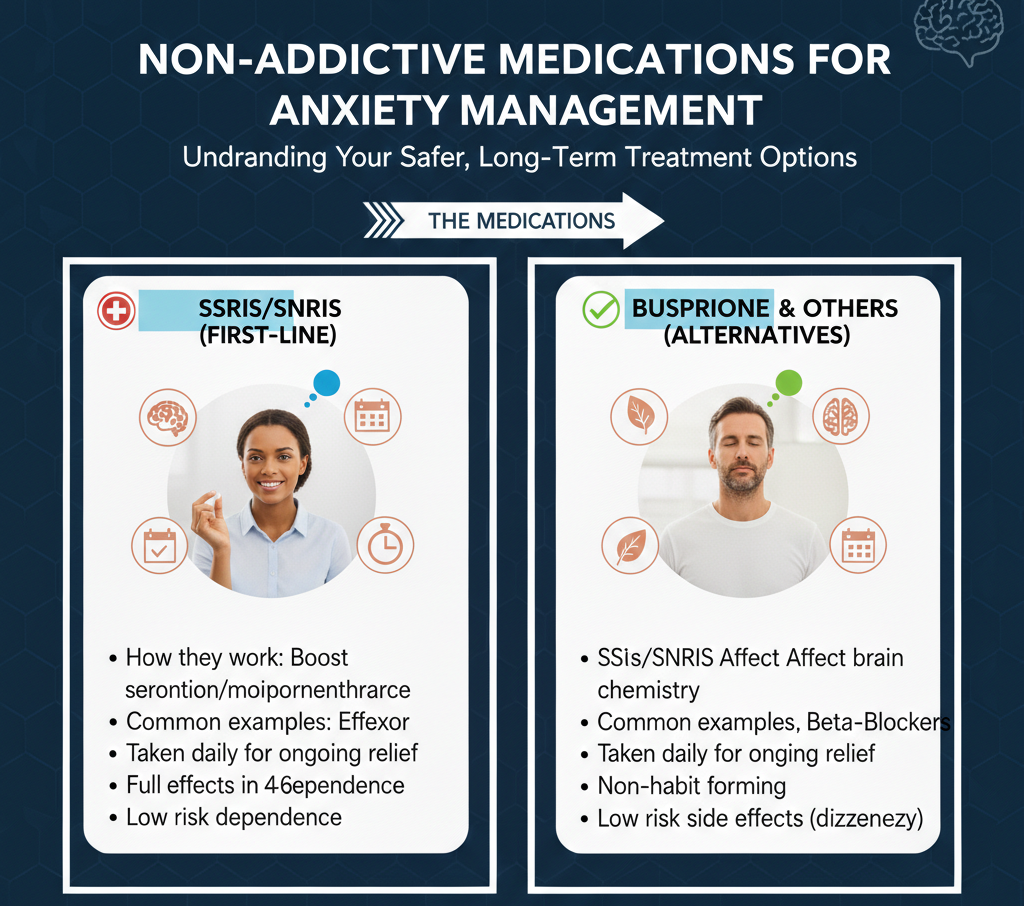
1. Selective Serotonin Reuptake Inhibitors (SSRIs)
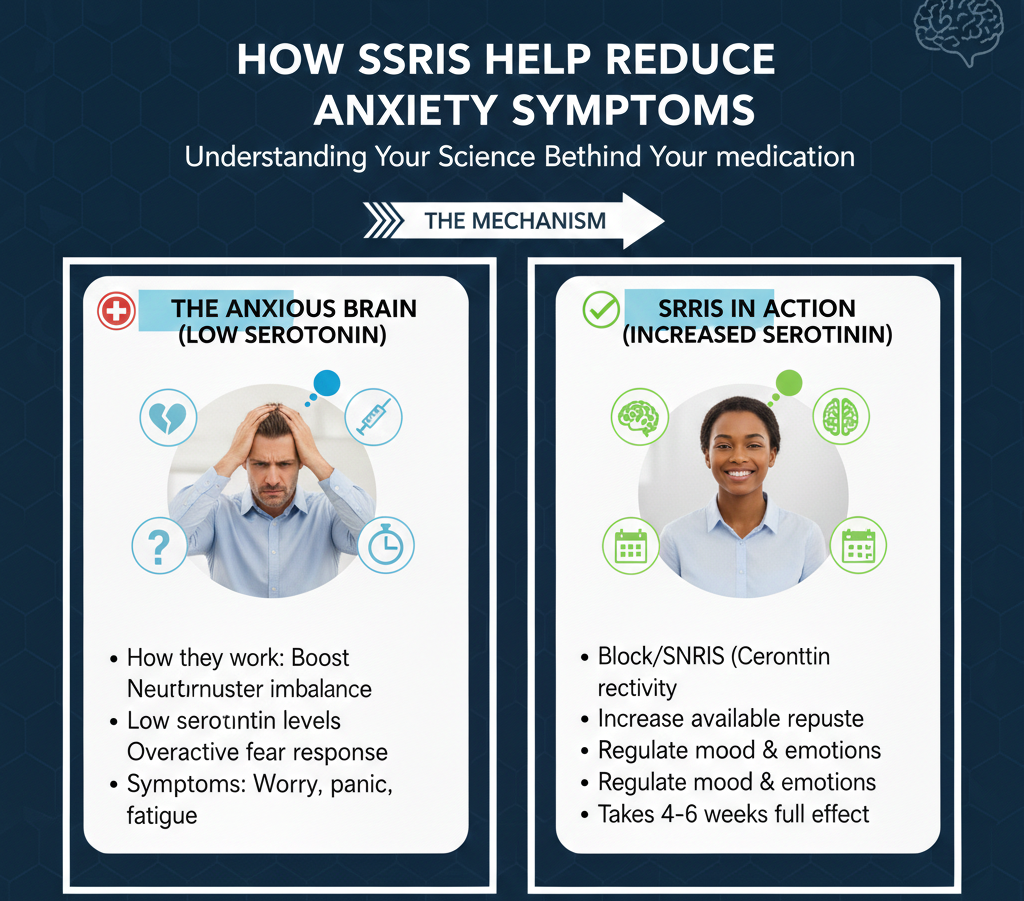
SSRIs are often considered the first-line treatment for many anxiety disorders.
How They Work:
SSRIs increase serotonin levels in the brain by preventing its reabsorption (reuptake). Higher serotonin availability helps stabilize mood and reduce anxious thoughts.
Common Examples:
-
Sertraline (Zoloft)
-
Escitalopram (Lexapro)
-
Fluoxetine (Prozac)
-
Paroxetine (Paxil)
Benefits:
-
Effective for long-term anxiety management
-
Non-addictive
-
Helpful for panic disorder, social anxiety, and generalized anxiety disorder
Important Note:
SSRIs typically take 2–6 weeks before noticeable improvement occurs.
2. Serotonin-Norepinephrine Reuptake Inhibitors (SNRIs)
SNRIs work similarly to SSRIs but affect two neurotransmitters instead of one.
How They Work:
They increase both serotonin and norepinephrine levels, improving emotional regulation and stress tolerance.
Examples Include:
-
Venlafaxine (Effexor)
-
Duloxetine (Cymbalta)
These medications are especially useful when anxiety occurs alongside depression or chronic pain conditions.
3. Benzodiazepines
Benzodiazepines provide rapid relief from acute anxiety symptoms.
How They Work:
They enhance the effect of GABA, a calming neurotransmitter that slows brain activity and reduces nervous system overactivation.
Common Medications:
-
Alprazolam (Xanax)
-
Lorazepam (Ativan)
-
Diazepam (Valium)
-
Clonazepam (Klonopin)
Benefits:
-
Fast-acting relief
-
Helpful during panic attacks or severe anxiety episodes
Caution:
These medications are usually prescribed for short-term use due to the risk of dependence and tolerance.
4. Beta-Blockers
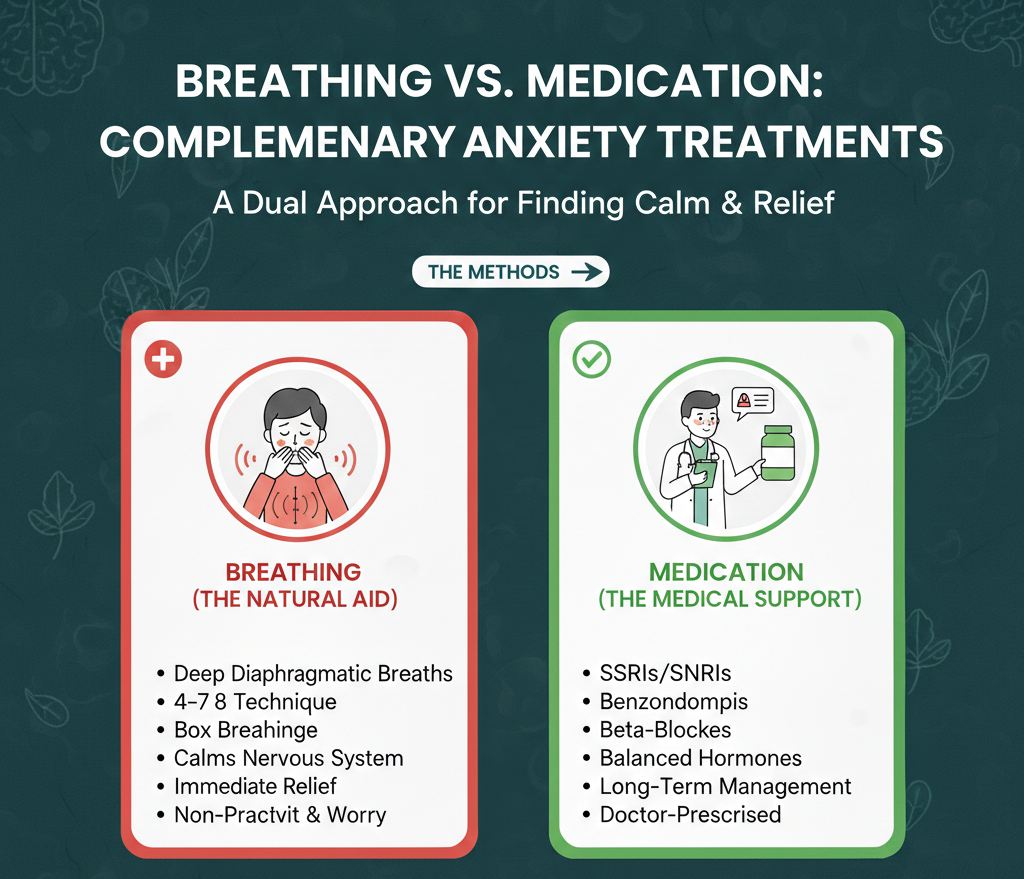
Although primarily used for heart conditions, beta-blockers can help manage physical symptoms of anxiety.
How They Work:
They block adrenaline’s effects, reducing symptoms such as:
-
Rapid heartbeat
-
Trembling
-
Sweating
-
Shaking voice
Example:
-
Propranolol
Beta-blockers are commonly used for performance anxiety or situational stress.
5. Buspirone
Buspirone is a non-sedating anti-anxiety medication often prescribed for generalized anxiety disorder.
How It Works:
It affects serotonin and dopamine receptors, helping regulate mood without causing strong sedation or dependence.
Advantages:
-
Lower risk of addiction
-
Suitable for long-term treatment
-
Minimal cognitive impairment
However, like SSRIs, it may take several weeks to show full benefits.
What to Expect When Starting Anxiety Medication
Beginning medication can involve an adjustment period. Patients may notice mild side effects before improvements appear.
Common Early Side Effects
-
Nausea
-
Headache
-
Drowsiness
-
Dry mouth
-
Sleep changes
These effects often improve as the body adapts to the medication.
Doctors usually start with a low dose and gradually adjust it to minimize side effects and achieve optimal results.
How Long Do Anxiety Medications Take to Work?
The timeline varies depending on medication type:
| Medication Type | Onset Time |
|---|---|
| Benzodiazepines | Minutes to hours |
| Beta-blockers | Within hours |
| SSRIs/SNRIs | 2–6 weeks |
| Buspirone | 2–4 weeks |
Consistency is essential. Stopping medication prematurely may prevent full therapeutic benefits.
Are Anxiety Medications Safe?
When prescribed and monitored by a healthcare professional, anxiety medications are generally safe and effective.
Safety depends on:
-
Correct dosage
-
Medical supervision
-
Avoiding alcohol or drug interactions
-
Following prescription instructions
Patients should never adjust doses or discontinue medication without medical guidance, as withdrawal symptoms or relapse may occur.
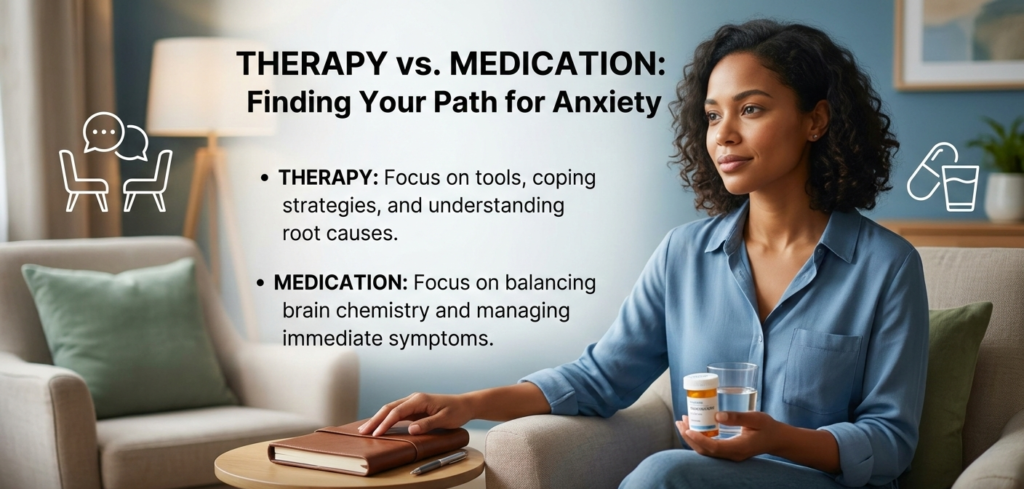
Medication vs Therapy: Which Is Better?
The most effective anxiety treatment often combines both approaches.
Medication Helps:
-
Reduce symptom intensity
-
Stabilize mood
-
Improve daily functioning
Therapy Helps:
-
Address root causes
-
Develop coping strategies
-
Prevent relapse
Cognitive Behavioral Therapy (CBT) combined with medication frequently produces the best long-term outcomes.
Lifestyle Habits That Enhance Medication Effectiveness
Medication works best when supported by healthy routines:
-
Regular exercise
-
Quality sleep
-
Balanced nutrition
-
Meditation or mindfulness
-
Limiting caffeine and alcohol
-
Stress management techniques
These habits strengthen emotional resilience and improve treatment success.
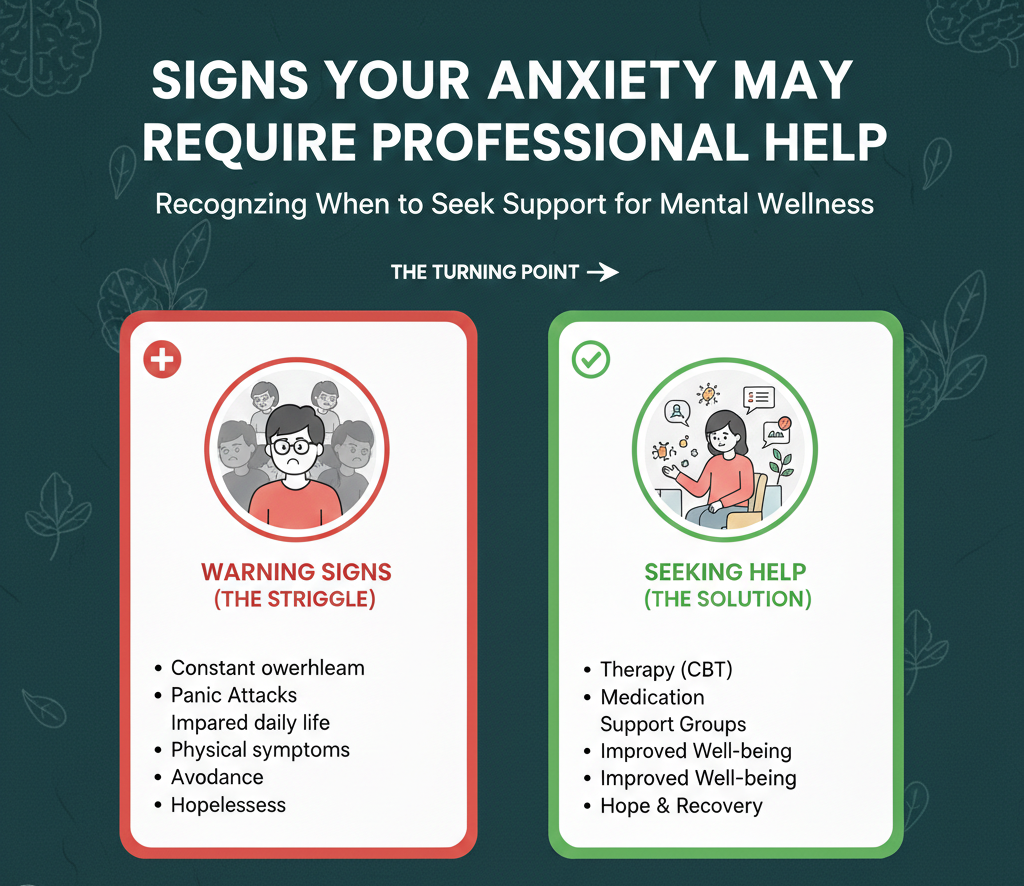
When Should You Consider Anxiety Medication?
Medication may be recommended if:
-
Anxiety interferes with work or relationships
-
Panic attacks occur frequently
-
Therapy alone is insufficient
-
Sleep disturbances persist
-
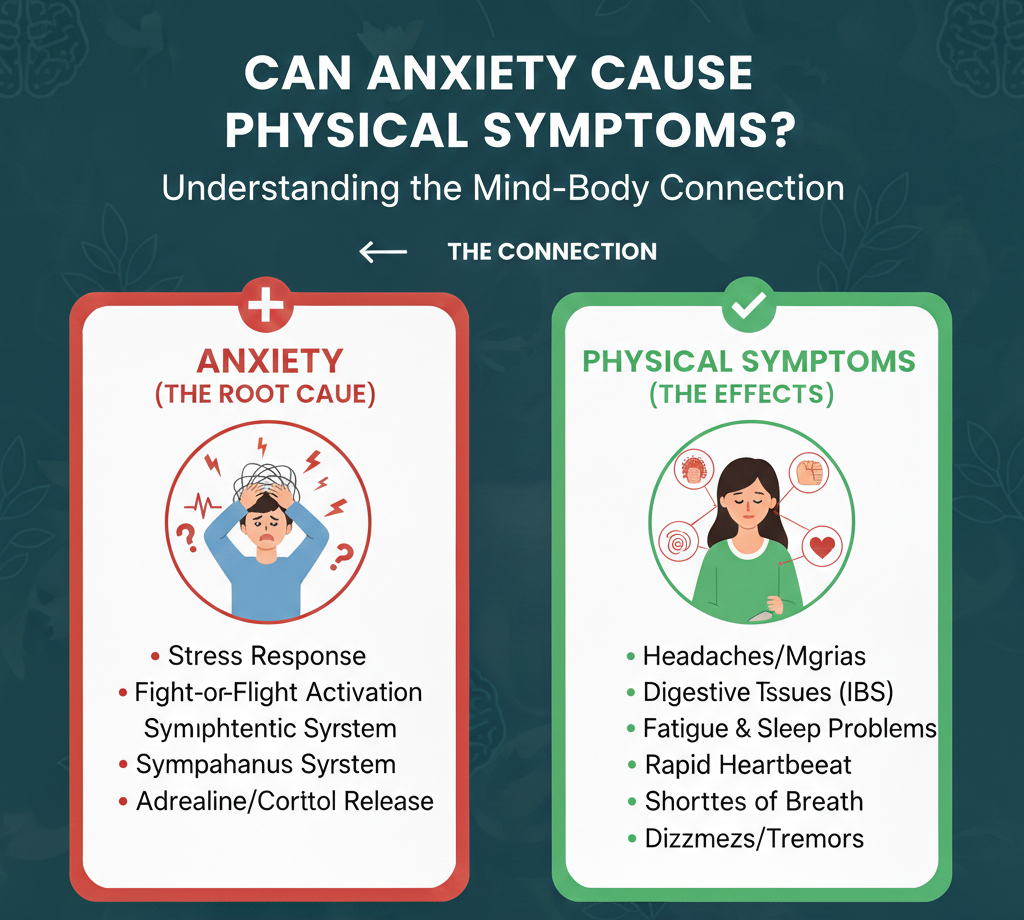
Physical symptoms become overwhelming
Seeking help early prevents symptoms from worsening and improves recovery chances.
Final Thoughts
Understanding how anxiety medication works empowers individuals to make informed decisions about their mental health care. These medications do not simply “mask” anxiety; they help correct chemical imbalances that contribute to persistent fear and stress.
With proper medical supervision, the right medication, and supportive lifestyle changes, many people experience significant relief and regain control over their lives. Anxiety treatment is highly individualized, and finding the right approach may take time—but effective help is available.
If anxiety symptoms are affecting your daily life, consulting a qualified healthcare professional is an important first step toward lasting relief and improved well-being.