
Blog
How Alcohol Interacts With Common Medications

Author:
Medical Writer
Saya Des Marais

Medical Reviewer:
Dr. Russell A. Barkley, Ph.D
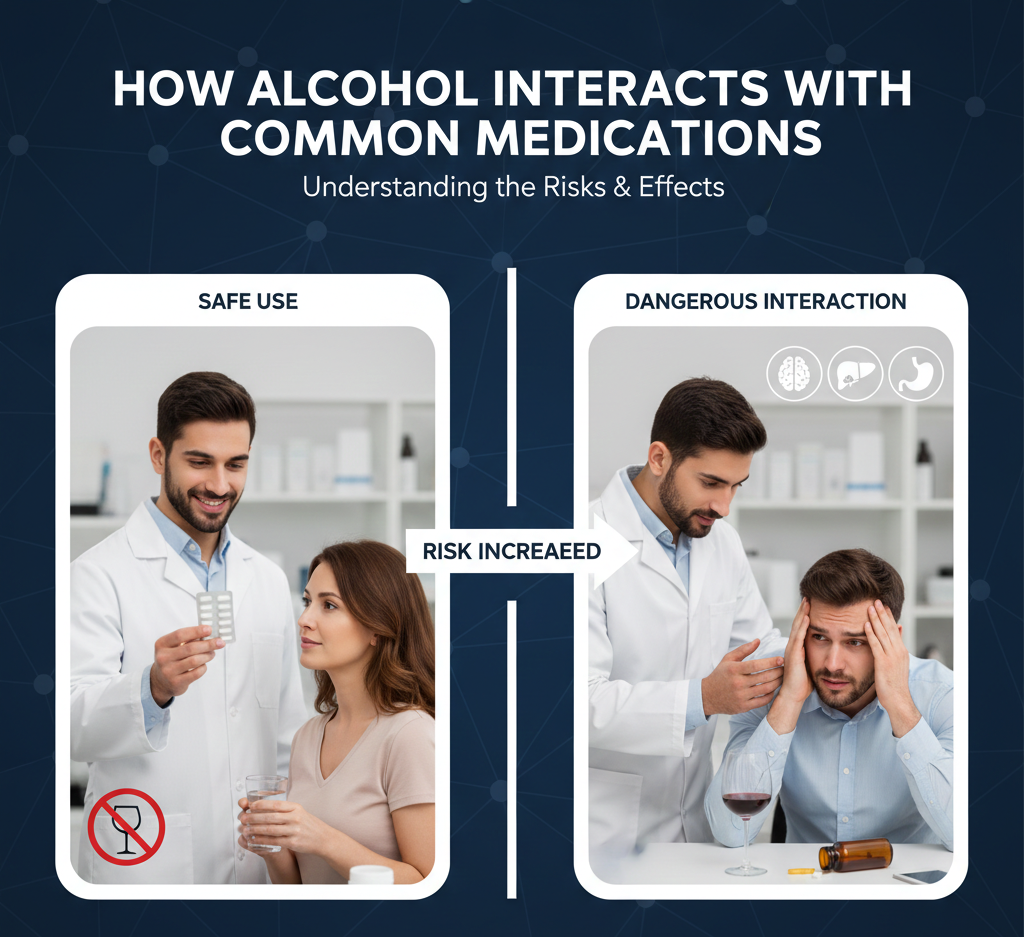
Alcohol is widely consumed in social settings and as part of cultural traditions. While moderate drinking may be safe for healthy adults, combining alcohol with prescription or over-the-counter (OTC) medications can lead to serious health risks. Alcohol can interfere with drug effectiveness, amplify side effects, or cause dangerous interactions.
Understanding how alcohol interacts with common medications is crucial for maintaining safety, treatment efficacy, and overall health. This article explores the types of medications affected by alcohol, potential risks, and practical tips to prevent harm.
How Alcohol Affects Medications
Alcohol can influence medications in several ways:
1. Increased Sedation
-
Alcohol and certain medications both act on the central nervous system (CNS)
-
Sedative effects can add together, causing extreme drowsiness, impaired judgment, or even respiratory depression
-
Commonly affected medications include benzodiazepines, sleep aids, and some antidepressants
2. Reduced Effectiveness
-
Alcohol may interfere with the absorption or metabolism of medications
-
This can lead to reduced therapeutic effects, for example:
-
Antibiotics may be less effective, increasing infection risk
-
Diabetes medications may not adequately control blood sugar
-
3. Increased Risk of Side Effects
-
Alcohol can amplify adverse effects of medications, such as:
-
Nausea, vomiting, or gastrointestinal irritation
-
Dizziness, headaches, or lightheadedness
-
Liver or kidney strain when combined with medications metabolized by these organs
-
4. Dangerous Drug Interactions
-
Alcohol can interact with medications metabolized by the liver enzyme system (CYP450)
-
Some combinations can cause life-threatening reactions, including:
-
Heart rhythm disturbances
-
Severe hypotension
-
Increased risk of overdose
-
Common Medications That Interact With Alcohol
1. Pain Medications
-
Opioids (e.g., oxycodone, hydrocodone): Combined with alcohol, these can cause dangerous sedation, slowed breathing, and overdose
-
Non-opioid painkillers (e.g., acetaminophen, NSAIDs): Alcohol increases liver toxicity (acetaminophen) or stomach bleeding (NSAIDs)
2. Anti-Anxiety and Sleep Medications
-
Benzodiazepines (e.g., Xanax, Valium, Ativan): Alcohol intensifies drowsiness and risk of respiratory depression
-
Sleep aids (e.g., zolpidem/Ambien): Alcohol reduces sleep quality and increases fall risk or accidents
3. Antidepressants
-
SSRIs and SNRIs: Alcohol can worsen depression or anxiety, interfere with drug effectiveness, and increase drowsiness
-
MAOIs: Combining with alcohol-rich beverages (especially wine or beer) can cause dangerously high blood pressure
4. Diabetes Medications
-
Alcohol can cause blood sugar fluctuations, making medications like insulin or metformin less predictable
-
Risk of hypoglycemia is higher when drinking on an empty stomach
5. Blood Pressure and Heart Medications
-
Alcohol can lower blood pressure, which may combine with medications like beta-blockers, ACE inhibitors, or calcium channel blockers, causing dizziness or fainting
-
Certain medications for arrhythmia may interact with alcohol, increasing heart rhythm risks
6. Antibiotics and Antifungals
-
Metronidazole and tinidazole: Combining with alcohol causes nausea, vomiting, headache, and rapid heartbeat
-
Other antibiotics: May have reduced effectiveness or increased side effects
7. Over-the-Counter Medications
-
Cold and allergy medicines (antihistamines) combined with alcohol can cause extreme drowsiness
-
Cough syrups containing codeine: Additive sedation with alcohol increases risk of overdose
Factors That Influence Risk
The severity of alcohol-medication interactions depends on:
-
Medication Type and Dose
-
High doses of sedatives or opioids are more dangerous with alcohol
-
-
Amount of Alcohol Consumed
-
Even small amounts can cause interactions for certain medications
-
-
Individual Health Factors
-
Liver or kidney function, age, and body weight affect alcohol metabolism and drug clearance
-
-
Timing
-
Alcohol taken shortly before or after medication increases risk
-
Some drugs are safer with moderate alcohol if spacing is adequate, but always consult a healthcare provider
-
Safe Practices for Alcohol Consumption With Medications
1. Read Labels and Warnings
-
Check prescription or OTC labels for alcohol warnings
-
Ask your pharmacist if unclear
2. Consult Your Healthcare Provider
-
Discuss your drinking habits and medications
-
Providers may adjust dosage, timing, or recommend alternatives
3. Limit or Avoid Alcohol
-
Avoid alcohol completely with high-risk medications, including opioids, benzodiazepines, anticoagulants, and MAOIs
-
Moderate alcohol may be safe with some medications if doctor-approved
4. Monitor Your Body
-
Be aware of drowsiness, dizziness, or abnormal heartbeats
-
Stop drinking immediately if you notice concerning symptoms
5. Plan Ahead
-
Avoid social situations where alcohol is present if medications have strong interactions
-
Keep non-alcoholic alternatives on hand
Signs of Dangerous Alcohol-Medication Interactions
-
Extreme drowsiness or confusion
-
Slow or irregular breathing
-
Severe dizziness or fainting
-
Vomiting, abdominal pain, or nausea
-
Rapid heartbeat or high blood pressure spikes
If any of these occur, seek medical attention immediately.
Key Takeaways
-
Alcohol can interfere with medications, reduce effectiveness, and cause serious side effects
-
High-risk medications include opioids, benzodiazepines, insulin, certain antibiotics, and heart medications
-
Always consult a healthcare provider before combining alcohol with any prescription or OTC drug
-
Use safe practices like reading labels, monitoring effects, and spacing alcohol intake
Conclusion
Alcohol may seem harmless in moderation, but when combined with medications, it can pose serious health risks. Understanding how alcohol interacts with prescription and OTC medications is crucial to maintaining safety, effectiveness, and overall health.
Patients should read labels, follow their doctor’s advice, and avoid alcohol when taking high-risk medications. Awareness, moderation, and responsible habits ensure that medications work as intended without compromising your health or safety.
FAQs
Is guilt a symptom of depression?
Yes, excessive or guilt is listed as a core symptom of Major Depressive Disorder in the DSM-5.
Can guilt cause depression?
While guilt alone doesn’t cause depression, chronic guilt can contribute to its development and worsen existing symptoms.
How do I stop feeling guilty when depressed?
Working with a therapist, practicing self-compassion, and potentially using medication can help manage guilt associated with depression.

Contact us
Have questions? Reach out and we’ll get back to you shortly.
Content
Guilt and Depression at a Glance
How Guilt and Depression Interact
Coping When You’re
Depressed and Feeling Guilty
Evidence-Based Treatments
When to Seek Help
How Loved Ones Can Help
FAQs