
Blog
Exercise and Prescription Drugs – What to Know

Author:
Medical Writer
Saya Des Marais

Medical Reviewer:
Dr. Russell A. Barkley, Ph.D
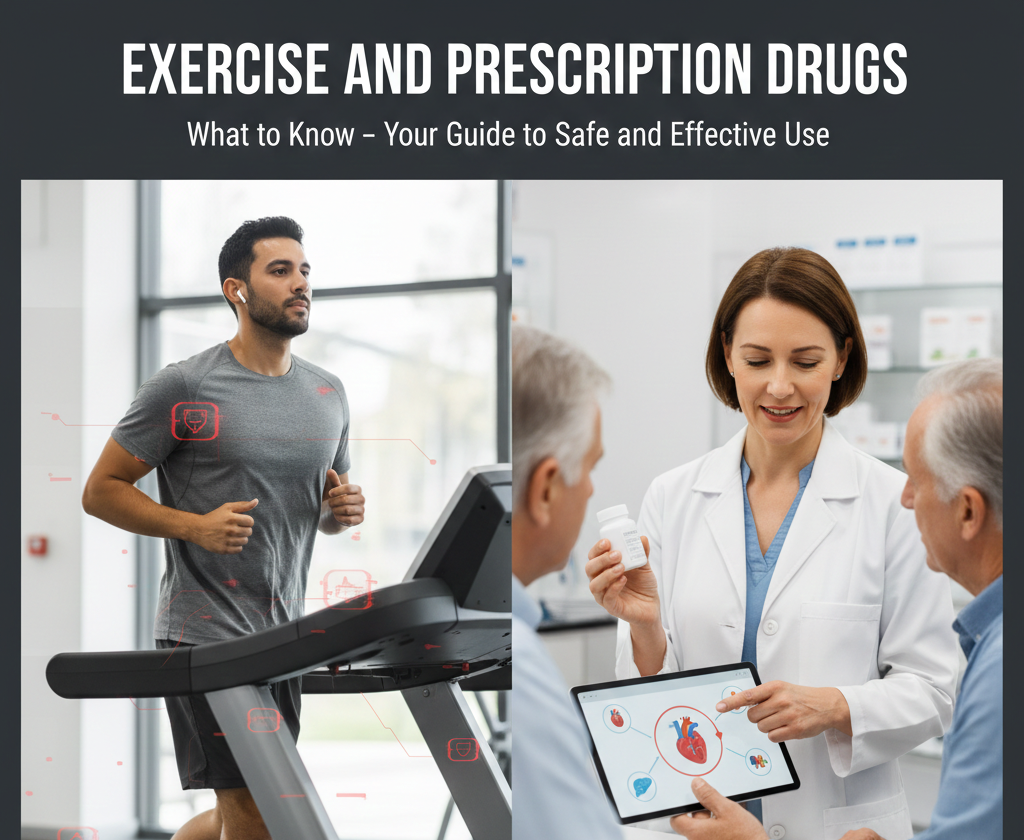
Exercise is widely recognized as one of the most effective ways to improve physical health, mental well-being, and overall quality of life. Regular physical activity can enhance cardiovascular fitness, strengthen muscles, reduce stress, and improve mood. However, individuals taking prescription medications may need to consider how these drugs interact with exercise.
Certain medications can influence heart rate, blood pressure, balance, hydration levels, and energy, which may affect how the body responds during physical activity. Understanding the relationship between exercise and prescription drugs helps individuals stay safe while maintaining an active lifestyle.
This guide explains how medications may influence exercise performance, potential risks to watch for, and practical tips for combining fitness with medication safely.
How Exercise Affects the Body
Physical activity triggers several changes in the body:
-
Increased heart rate and circulation
-
Enhanced oxygen delivery to muscles
-
Increased metabolism
-
Changes in blood sugar levels
-
Fluid loss through sweat
While these changes are beneficial, medications that affect the cardiovascular system, nervous system, or metabolism can alter how the body responds to exercise.
How Prescription Drugs May Influence Exercise
Heart Rate and Blood Pressure Medications
Some medications are designed to slow heart rate or lower blood pressure. During exercise, these effects may limit how quickly the heart responds to physical stress, making workouts feel more tiring or reducing endurance.
Sedatives and Anti-Anxiety Medications
Drugs that promote relaxation or reduce anxiety may cause drowsiness, slower reaction time, or impaired coordination. These effects can increase the risk of falls or accidents during physical activities that require balance and focus.
Antidepressants and Mood Stabilizers
Certain mental health medications can affect hydration, body temperature regulation, or energy levels. Some individuals may experience fatigue or increased sweating during exercise.
Diabetes Medications
Physical activity can lower blood sugar levels. When combined with medications that also reduce glucose, this may increase the risk of hypoglycemia, especially during long or intense workouts.
Pain Medications
Some prescription pain relievers may mask discomfort or injury signals, leading individuals to push beyond safe limits during exercise.
Benefits of Exercise While Taking Medication
Despite potential risks, regular physical activity offers many benefits for individuals on prescription drugs:
-
Improved mood and reduced anxiety
-
Better sleep patterns
-
Enhanced cardiovascular health
-
Increased strength and flexibility
-
Improved medication effectiveness in some cases
-
Support for weight management and energy levels
Exercise often complements medical treatment and may reduce the severity of certain health conditions.
Common Side Effects to Watch For During Exercise
Individuals taking medications should be aware of symptoms that may occur during physical activity:
-
Dizziness or lightheadedness
-
Excessive fatigue
-
Rapid or irregular heartbeat
-
Muscle weakness
-
Shortness of breath
-
Nausea or overheating
If these symptoms appear, it is important to stop exercising and seek medical advice.
Hydration and Temperature Regulation
Certain medications affect how the body handles heat and hydration. For example:
-
Some antidepressants may increase sweating
-
Diuretics can lead to fluid loss
-
Stimulant medications may raise body temperature
Staying hydrated and exercising in a cool environment can help prevent heat-related complications.
Timing Exercise with Medication
When you take medication relative to workouts can influence performance and safety.
Before Exercise
Some medications may cause dizziness or fatigue shortly after taking them. Exercising immediately afterward may increase risk.
After Exercise
Certain medications are better tolerated after physical activity, especially if they cause stomach upset or drowsiness.
Consistency Matters
Maintaining a consistent schedule for medication and exercise helps the body adapt and reduces unexpected side effects.
Safety Tips for Exercising While Taking Prescription Drugs
-
Consult Your Healthcare Provider: Discuss your exercise routine before starting new medications.
-
Start Slowly: Gradually increase workout intensity to monitor how your body responds.
-
Stay Hydrated: Drink water before, during, and after exercise.
-
Monitor Heart Rate and Symptoms: Pay attention to warning signs such as dizziness or chest discomfort.
-
Avoid Extreme Temperatures: Heat can amplify medication side effects.
-
Wear Proper Gear: Supportive shoes and safety equipment reduce injury risk.
-
Do Not Ignore Pain: Medications may mask symptoms that indicate overexertion.
Exercise Recommendations for Different Medication Types
Cardiovascular Medications
-
Focus on moderate-intensity activities such as walking or cycling
-
Monitor heart rate closely
Mental Health Medications
-
Choose activities that improve mood and reduce stress, such as yoga or swimming
-
Avoid intense heat if medications affect temperature regulation
Diabetes Medications
-
Check blood sugar levels before and after exercise
-
Carry quick sources of glucose during workouts
Pain Management Medications
-
Use controlled, low-impact exercises to prevent hidden injuries
The Importance of Personalized Exercise Plans
Every individual’s health condition, medication regimen, and fitness level is unique. Healthcare professionals may recommend:
-
Tailored workout plans
-
Gradual increases in activity
-
Regular health monitoring
-
Adjustments to medication timing or dosage
Working with medical professionals and fitness experts ensures safer and more effective exercise routines.
Supporting Overall Wellness Beyond Exercise
In addition to physical activity, lifestyle habits that enhance medication effectiveness include:
-
Balanced nutrition
-
Adequate sleep
-
Stress management techniques
-
Mindfulness and relaxation practices
-
Regular medical checkups
A holistic approach improves long-term health outcomes and overall well-being.
When to Seek Medical Advice
Consult a healthcare professional if you experience:
-
Severe dizziness or fainting
-
Chest pain or irregular heartbeat
-
Persistent muscle weakness
-
Unusual fatigue or confusion
-
Sudden changes in exercise tolerance
Prompt medical guidance helps prevent complications and ensures safe participation in physical activity.
Conclusion
Exercise and prescription drugs can work together to improve health and well-being, but understanding how medications affect physical performance is essential. Certain drugs may influence heart rate, hydration, balance, or energy levels, making safety precautions important during workouts.
By consulting healthcare professionals, monitoring symptoms, staying hydrated, and choosing appropriate exercise routines, individuals can enjoy the benefits of physical activity while minimizing risks. Combining medication with healthy lifestyle habits creates a balanced approach that supports long-term physical and mental wellness.
FAQs
Is guilt a symptom of depression?
Yes, excessive or guilt is listed as a core symptom of Major Depressive Disorder in the DSM-5.
Can guilt cause depression?
While guilt alone doesn’t cause depression, chronic guilt can contribute to its development and worsen existing symptoms.
How do I stop feeling guilty when depressed?
Working with a therapist, practicing self-compassion, and potentially using medication can help manage guilt associated with depression.

Contact us
Have questions? Reach out and we’ll get back to you shortly.
Content
Guilt and Depression at a Glance
How Guilt and Depression Interact
Coping When You’re
Depressed and Feeling Guilty
Evidence-Based Treatments
When to Seek Help
How Loved Ones Can Help
FAQs