
Blog
Evidence-Based Treatments for Anxiety Disorders

Author:
Medical Writer
Saya Des Marais

Medical Reviewer:
Dr. Russell A. Barkley, Ph.D
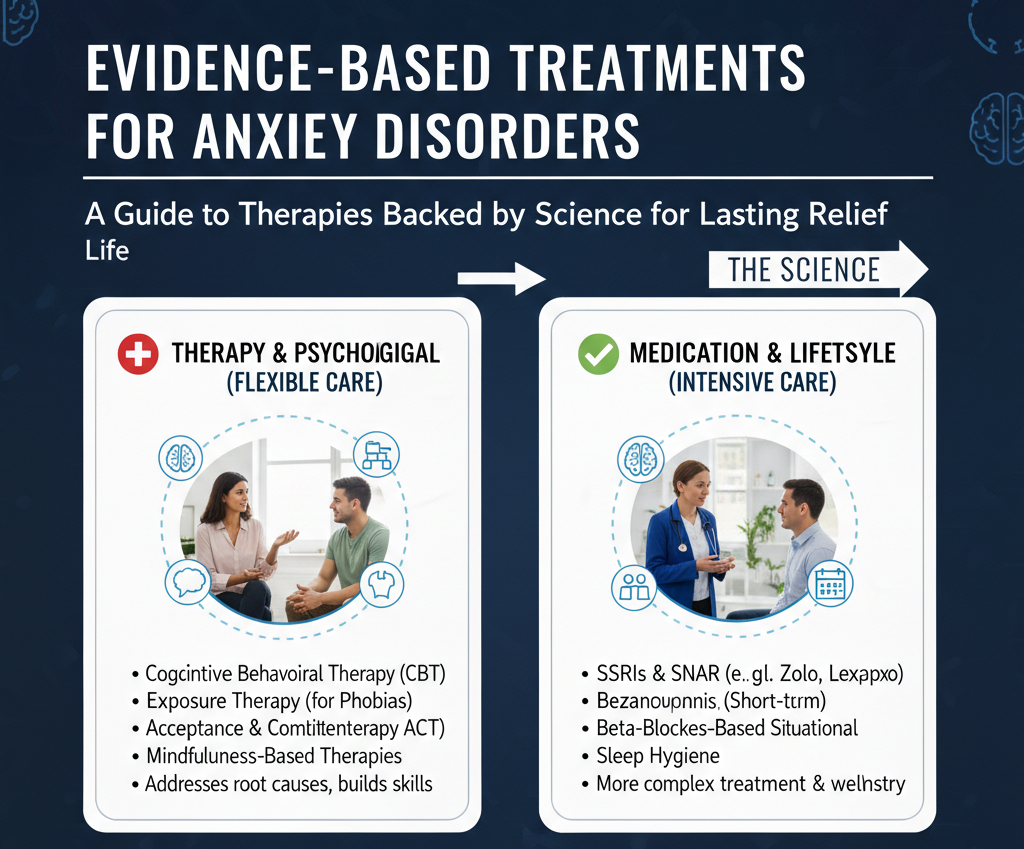
Anxiety disorders are among the most common mental health conditions worldwide, affecting millions of people each year. While anxiety is a natural response to stress, persistent and excessive worry can interfere with daily functioning, relationships, and overall well-being. Fortunately, decades of scientific research have led to the development of evidence-based treatments that are proven to reduce symptoms and improve quality of life.
Understanding which treatments are supported by research can help individuals make informed decisions about their mental health care. This guide explores the most effective, scientifically validated approaches to managing anxiety disorders.
What Are Evidence-Based Treatments?
Evidence-based treatments are therapies and interventions that have been rigorously tested through clinical research. These treatments have demonstrated effectiveness in reducing symptoms across diverse populations and are recommended by mental health professionals worldwide.
For anxiety disorders, evidence-based care typically includes:
-
Psychotherapy
-
Medication management
-
Behavioral interventions
-
Lifestyle modifications
Often, the most effective results come from combining multiple approaches tailored to individual needs.
Cognitive Behavioral Therapy (CBT)
One of the most widely researched and effective treatments for anxiety disorders is cognitive behavioral therapy (CBT). Numerous clinical studies have confirmed its effectiveness for generalized anxiety disorder, panic disorder, social anxiety disorder, and specific phobias.
How CBT Works
CBT focuses on identifying and changing negative thought patterns that contribute to anxiety. It helps individuals:
-
Recognize irrational fears
-
Challenge distorted thinking
-
Replace negative beliefs with realistic perspectives
-
Develop healthier coping strategies
Why CBT Is Effective
CBT is structured, goal-oriented, and typically time-limited. Many individuals experience noticeable improvement within 8–16 weeks of consistent therapy. It also equips patients with long-term skills that reduce the likelihood of relapse.
Exposure Therapy
Exposure therapy is another evidence-based method particularly effective for phobias, social anxiety disorder, and panic disorder.
How It Works
This approach involves gradual and controlled exposure to feared situations or triggers. Over time, repeated exposure reduces fear responses and avoidance behaviors.
For example, someone with social anxiety may gradually practice speaking in small groups before participating in larger social settings.
Research Support
Clinical studies show that exposure therapy helps retrain the brain’s fear response system, leading to reduced anxiety symptoms and improved confidence.
Medication Treatments Supported by Research
For moderate to severe anxiety, medication may be recommended alongside therapy. Medication can help regulate brain chemistry and reduce symptom intensity.
Antidepressants
Certain antidepressants have been extensively studied and shown to reduce anxiety symptoms. These medications often take several weeks to reach full effectiveness.
Short-Term Anxiety Medications
In specific cases, short-term medications may be used to manage acute symptoms while therapy addresses underlying causes.
Medication Monitoring
Evidence-based medication management involves careful monitoring by healthcare professionals to adjust dosage and minimize side effects.
Medication alone is rarely the complete solution but can significantly enhance therapy outcomes when used appropriately.
Mindfulness-Based Interventions
Mindfulness-based therapies have gained increasing research support in recent years. These approaches teach individuals to focus on the present moment without judgment.
Benefits of Mindfulness
-
Reduced rumination and overthinking
-
Improved emotional regulation
-
Decreased physical stress responses
-
Enhanced resilience to future stressors
Studies suggest that mindfulness techniques can be particularly effective when combined with cognitive behavioral strategies.
Acceptance and Commitment Therapy (ACT)
Acceptance and Commitment Therapy (ACT) is another research-supported intervention. Instead of challenging anxious thoughts directly, ACT encourages individuals to accept thoughts without letting them control behavior.
Key Components of ACT
-
Acceptance of emotional experiences
-
Commitment to personal values
-
Behavioral changes aligned with long-term goals
Research indicates that ACT can effectively reduce anxiety while improving overall psychological flexibility.
Lifestyle Interventions Backed by Research
Scientific evidence also supports the role of lifestyle modifications in anxiety management.
Regular Physical Activity
Exercise has been shown to reduce stress hormones and increase mood-enhancing neurotransmitters. Consistent physical activity can significantly decrease anxiety symptoms.
Sleep Hygiene
Improving sleep patterns helps regulate emotional stability and cognitive function.
Balanced Nutrition
Nutritional balance supports brain health and overall energy levels, which influence anxiety management.
Stress Reduction Techniques
Breathing exercises, progressive muscle relaxation, and guided meditation have demonstrated measurable reductions in anxiety symptoms.
Combination Therapy: The Gold Standard
Research consistently shows that combining psychotherapy with medication (when necessary) often produces the strongest outcomes for moderate to severe anxiety disorders.
Combination treatment can:
-
Accelerate symptom improvement
-
Address both biological and psychological components
-
Reduce relapse rates
-
Improve long-term recovery
Healthcare providers personalize treatment plans to determine the most appropriate mix of interventions.
How Long Do Evidence-Based Treatments Take to Work?
While individual timelines vary, many patients begin noticing improvements within several weeks of consistent treatment.
-
Therapy progress often becomes evident within 8–12 weeks
-
Medication benefits may appear after 3–6 weeks
-
Lifestyle improvements can contribute to gradual symptom reduction
Patience and consistency are key factors in achieving lasting results.
Factors That Influence Treatment Effectiveness
Several elements affect how well evidence-based treatments work:
-
Severity and duration of anxiety
-
Commitment to therapy sessions
-
Medication adherence (if prescribed)
-
Support system availability
-
Co-occurring mental health conditions
Open communication with healthcare providers ensures adjustments can be made to optimize progress.
The Importance of Professional Guidance
Although self-help resources can be beneficial, evidence-based treatments are most effective when guided by qualified mental health professionals. Licensed therapists and medical providers use structured protocols backed by research to ensure safety and effectiveness.
Self-diagnosing or attempting unsupervised treatment may delay recovery and worsen symptoms.
Addressing Common Misconceptions
Some individuals hesitate to seek evidence-based treatment due to misconceptions, such as:
-
Believing anxiety will resolve on its own
-
Fearing medication dependence
-
Assuming therapy is only for severe cases
-
Thinking improvement should be immediate
Education about research-supported treatments helps reduce stigma and encourages early intervention.
Long-Term Outcomes and Maintenance
Evidence-based treatments not only reduce immediate symptoms but also improve long-term mental health outcomes. Patients who complete structured therapy programs often:
-
Develop stronger coping skills
-
Experience fewer relapses
-
Maintain improved daily functioning
-
Build greater emotional resilience
Continued practice of learned strategies supports ongoing recovery.
Conclusion
Evidence-based treatments for anxiety disorders provide reliable, scientifically supported pathways to recovery. Cognitive behavioral therapy, exposure therapy, medication management, mindfulness techniques, and lifestyle adjustments have all demonstrated effectiveness in reducing symptoms and improving quality of life.
While no treatment works instantly, consistent participation and professional guidance significantly increase the likelihood of success. Individuals experiencing anxiety should seek qualified medical advice to develop a personalized treatment plan rooted in proven methods.
With the right support, anxiety disorders are highly manageable, and many individuals regain confidence, emotional balance, and control over their daily lives.
Medical Disclaimer:
This content is for informational purposes only and does not replace professional medical advice. Always consult a licensed healthcare provider before starting or modifying any treatment plan.
FAQs
Is guilt a symptom of depression?
Yes, excessive or guilt is listed as a core symptom of Major Depressive Disorder in the DSM-5.
Can guilt cause depression?
While guilt alone doesn’t cause depression, chronic guilt can contribute to its development and worsen existing symptoms.
How do I stop feeling guilty when depressed?
Working with a therapist, practicing self-compassion, and potentially using medication can help manage guilt associated with depression.

Contact us
Have questions? Reach out and we’ll get back to you shortly.
Content
Guilt and Depression at a Glance
How Guilt and Depression Interact
Coping When You’re
Depressed and Feeling Guilty
Evidence-Based Treatments
When to Seek Help
How Loved Ones Can Help
FAQs