
Blog
What Causes Insomnia? Common Triggers and Risk Factors

Author:
Medical Writer
Saya Des Marais

Medical Reviewer:
Dr. Russell A. Barkley, Ph.D
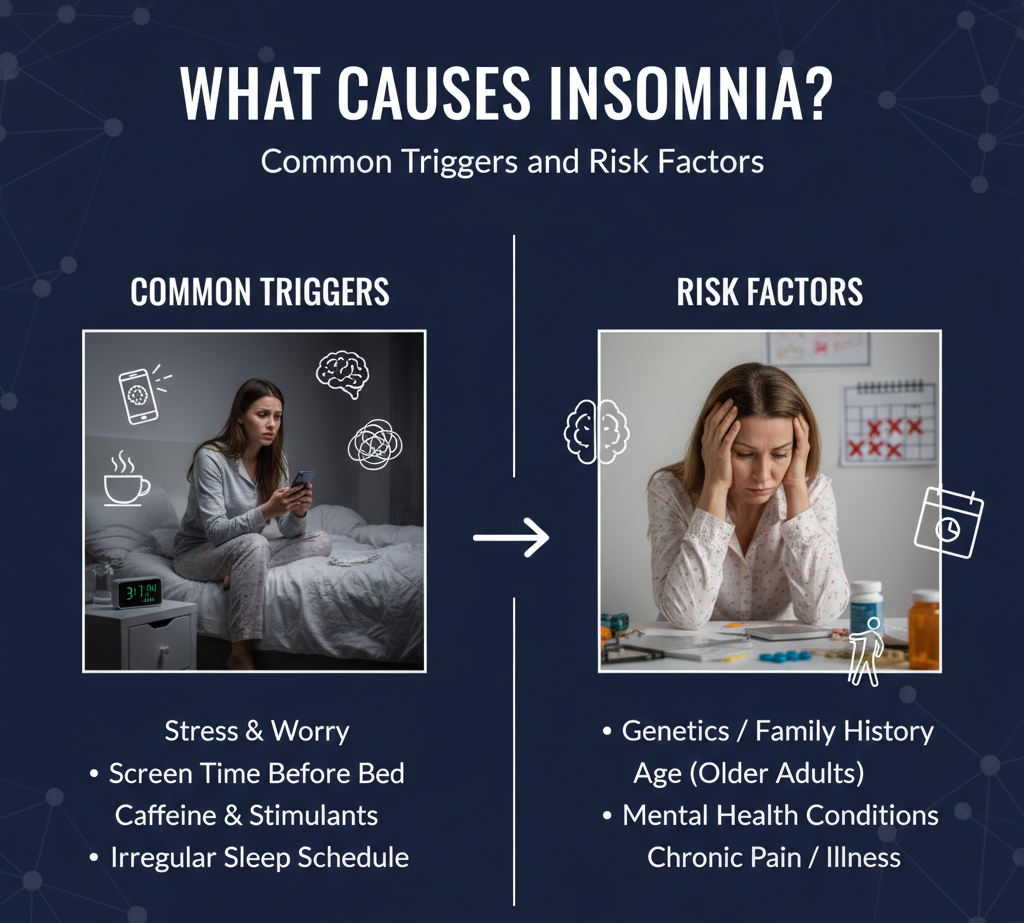
Insomnia is one of the most common sleep disorders, affecting millions of people worldwide. It is characterized by difficulty falling asleep, staying asleep, or waking up too early and feeling unrefreshed. While occasional sleepless nights are normal, persistent insomnia can significantly impact physical health, mental well-being, and daily functioning.
Understanding what causes insomnia is essential for identifying triggers, managing symptoms, and improving sleep quality. Insomnia often results from a combination of psychological, physical, and lifestyle factors rather than a single cause.
This article explores the most common triggers and risk factors associated with insomnia and explains how they influence sleep patterns.
Understanding Insomnia
Insomnia can be classified into two main types:
-
Acute insomnia: Short-term sleep difficulties lasting a few days or weeks, often linked to stress or temporary life events.
-
Chronic insomnia: Long-term sleep problems occurring at least three nights per week for three months or longer.
Insomnia may occur independently or alongside other medical or psychological conditions.
Psychological Causes of Insomnia
1) Stress and Anxiety
Stress is one of the leading causes of insomnia. Worries about work, finances, relationships, or health can keep the mind active at night, making it difficult to relax and fall asleep.
Anxiety disorders can also contribute to persistent insomnia by causing excessive rumination and heightened alertness.
2) Depression and Mood Disorders
Depression often disrupts sleep patterns. Some individuals experience difficulty falling asleep, while others wake up early or sleep excessively but feel unrefreshed.
Changes in brain chemistry associated with mood disorders can interfere with the body’s natural sleep-wake cycle.
3) Overthinking and Racing Thoughts
Persistent mental activity before bedtime can prevent the brain from entering a relaxed state necessary for sleep.
Lifestyle and Behavioral Triggers
1) Irregular Sleep Schedule
Going to bed and waking up at different times each day disrupts the body’s internal clock, increasing the risk of insomnia.
2) Excessive Screen Time
Exposure to blue light from smartphones, computers, and televisions before bedtime can suppress melatonin production and delay sleep onset.
3) Caffeine, Alcohol, and Nicotine
-
Caffeine stimulates the nervous system and can interfere with sleep even hours after consumption.
-
Alcohol may initially induce drowsiness but disrupts sleep cycles later in the night.
-
Nicotine acts as a stimulant, making it harder to fall asleep.
4) Poor Sleep Environment
Noise, light, uncomfortable bedding, and inappropriate room temperature can negatively affect sleep quality.
Medical Causes of Insomnia
1) Chronic Pain and Medical Conditions
Conditions such as arthritis, migraines, asthma, and gastrointestinal disorders can cause discomfort that interferes with sleep.
2) Hormonal Changes
Hormonal fluctuations during pregnancy, menopause, and thyroid disorders can disrupt sleep patterns.
3) Neurological Disorders
Conditions affecting the nervous system may alter sleep regulation and contribute to insomnia.
4) Medications
Certain medications, including stimulants, corticosteroids, and some antidepressants, can affect sleep.
Mental Health and Insomnia
Insomnia and mental health conditions often influence each other. Anxiety, post-traumatic stress disorder (PTSD), and other psychiatric conditions can increase the likelihood of chronic sleep problems.
Persistent insomnia can also worsen mental health symptoms, creating a cycle of sleep disruption and emotional distress.
Risk Factors for Insomnia
Several factors increase the likelihood of developing insomnia:
-
Age (older adults are more prone to sleep disturbances)
-
Gender (women are more likely to experience insomnia due to hormonal changes)
-
High stress levels
-
Irregular work schedules or shift work
-
Poor lifestyle habits
-
Family history of sleep disorders
Short-Term vs Long-Term Insomnia
Short-term insomnia is often triggered by temporary stressors or lifestyle changes. Long-term insomnia usually develops when sleep problems persist and become habitual.
Understanding the difference helps guide appropriate treatment approaches.
Health Consequences of Untreated Insomnia
Chronic insomnia can lead to serious health consequences, including:
-
Reduced concentration and productivity
-
Increased risk of anxiety and depression
-
Weakened immune function
-
Cardiovascular problems
-
Impaired memory and decision-making
How to Identify Your Personal Triggers
Keeping a sleep diary can help identify factors that affect sleep. Recording bedtime routines, diet, stress levels, and sleep duration can reveal patterns contributing to insomnia.
Strategies to Reduce Insomnia Triggers
1) Establish a Consistent Sleep Routine
Going to bed and waking up at the same time each day helps regulate the body’s internal clock.
2) Improve Sleep Hygiene
Creating a comfortable sleep environment and limiting screen time before bed can significantly improve sleep quality.
3) Manage Stress
Relaxation techniques such as meditation, deep breathing, and mindfulness can reduce stress and promote better sleep.
4) Seek Professional Guidance
If insomnia persists despite lifestyle changes, consulting a healthcare professional may be necessary.
Conclusion
Insomnia is a complex sleep disorder influenced by psychological, lifestyle, and medical factors. Understanding its causes, triggers, and risk factors is the first step toward effective management.
By identifying personal triggers and adopting healthy sleep habits, many individuals can improve their sleep quality. However, persistent insomnia should not be ignored, as early intervention can prevent long-term health complications.
With proper awareness and support, achieving restful and restorative sleep is possible.
FAQs
Is guilt a symptom of depression?
Yes, excessive or guilt is listed as a core symptom of Major Depressive Disorder in the DSM-5.
Can guilt cause depression?
While guilt alone doesn’t cause depression, chronic guilt can contribute to its development and worsen existing symptoms.
How do I stop feeling guilty when depressed?
Working with a therapist, practicing self-compassion, and potentially using medication can help manage guilt associated with depression.

Contact us
Have questions? Reach out and we’ll get back to you shortly.
Content
Guilt and Depression at a Glance
How Guilt and Depression Interact
Coping When You’re
Depressed and Feeling Guilty
Evidence-Based Treatments
When to Seek Help
How Loved Ones Can Help
FAQs