
Blog
Carisoprodol: Muscle Relaxant Uses and Risks

Author:
Medical Writer
Saya Des Marais

Medical Reviewer:
Dr. Russell A. Barkley, Ph.D
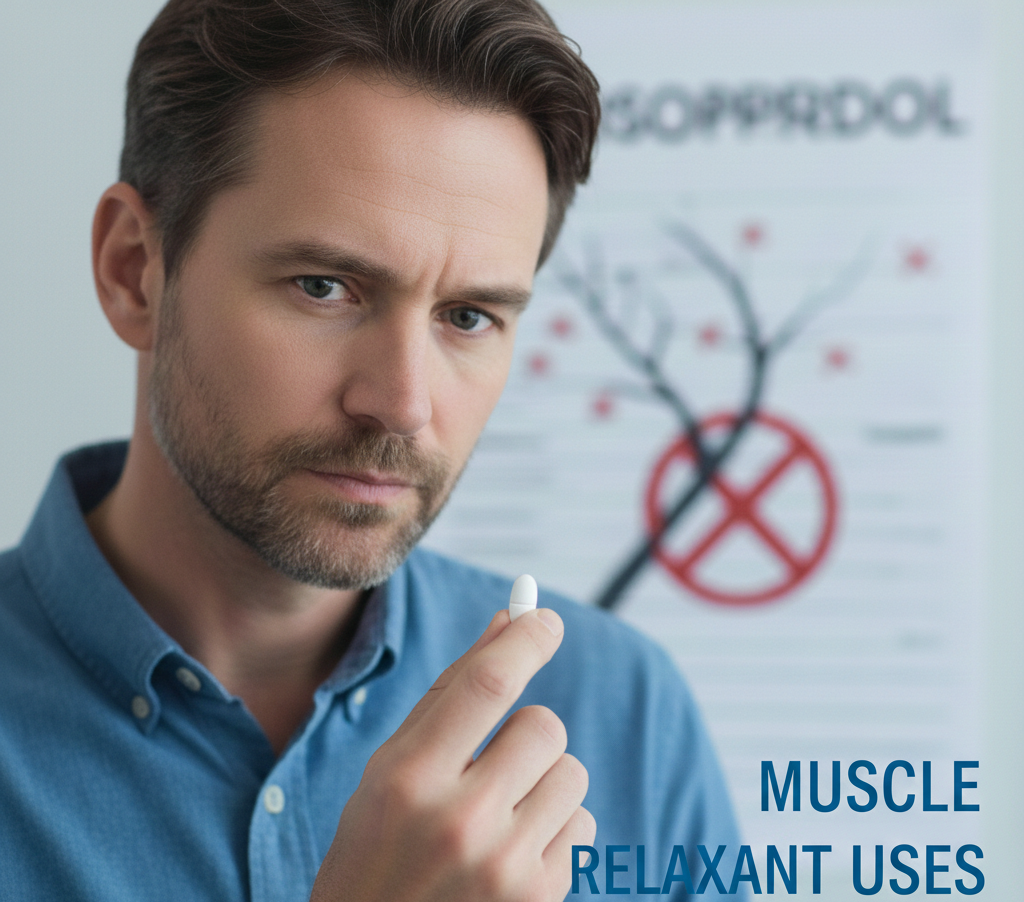
Carisoprodol is a prescription medication commonly used as a short-term treatment for acute muscle pain and discomfort. It belongs to a group of drugs known as muscle relaxants and is often prescribed alongside rest, physical therapy, and other treatments to improve recovery from musculoskeletal conditions.
While carisoprodol can be effective in relieving muscle spasms and improving mobility, it also carries certain risks, including drowsiness, dependence, and potential misuse. Understanding how this medication works and the precautions associated with it is essential for safe and responsible use.
What Is Carisoprodol?
Carisoprodol is a centrally acting skeletal muscle relaxant. It works by affecting communication between nerves in the central nervous system (brain and spinal cord), helping to reduce muscle spasms and associated pain.
It is commonly known by the brand name Soma, although generic versions are also widely available. Because of its potential for misuse and dependence, carisoprodol is classified as a controlled substance in many countries and is available only with a valid prescription.
Medical Uses of Carisoprodol
Carisoprodol is typically prescribed for short-term relief (generally two to three weeks) of acute musculoskeletal pain. It is not intended for long-term use.
1. Muscle Strains and Sprains
Injuries involving overstretched or torn muscles and ligaments can cause significant pain and stiffness. Carisoprodol may help relax tight muscles and reduce discomfort during recovery.
2. Back Pain
Acute lower back pain caused by muscle spasms may be treated with carisoprodol as part of a comprehensive care plan that includes rest and physical therapy.
3. Neck and Shoulder Tension
Muscle spasms in the neck and shoulders—often due to strain or injury—may respond to short-term treatment with muscle relaxants.
Carisoprodol is most effective when combined with non-drug treatments such as stretching, heat therapy, or rehabilitation exercises.
How Carisoprodol Works
Carisoprodol does not directly relax muscles. Instead, it works by depressing the central nervous system. By altering nerve activity in the brain and spinal cord, it reduces the sensation of pain and decreases muscle tension.
One important factor to understand is that carisoprodol is metabolized in the body into a substance called meprobamate, which has sedative and anti-anxiety properties. This contributes to both its muscle-relaxing effects and its potential for misuse.
Common Side Effects
Like all medications, carisoprodol can cause side effects. Most are mild and may lessen as the body adjusts.
Frequently Reported Side Effects:
-
Drowsiness
-
Dizziness
-
Headache
-
Dry mouth
-
Upset stomach
Because carisoprodol can cause sedation, patients are advised to avoid driving, operating heavy machinery, or performing tasks that require alertness until they understand how the medication affects them.
Serious Risks and Warnings
Although effective for short-term relief, carisoprodol carries important risks that patients should be aware of.
1. Dependence and Misuse
Due to its sedative properties and conversion into meprobamate, carisoprodol has the potential for physical dependence and misuse. Taking it in higher doses or for longer than prescribed increases this risk.
2. Withdrawal Symptoms
Abruptly stopping carisoprodol after extended use may cause withdrawal symptoms such as:
-
Insomnia
-
Vomiting
-
Tremors
-
Anxiety
-
Muscle twitching
Healthcare providers may recommend gradually tapering the medication if it has been used for more than a short period.
3. Central Nervous System Depression
Carisoprodol slows brain activity. When combined with alcohol, opioids, benzodiazepines, or other sedatives, it can significantly increase the risk of:
-
Severe drowsiness
-
Confusion
-
Slowed breathing
-
Loss of consciousness
This combination can be dangerous and, in some cases, life-threatening.
4. Allergic Reactions
Although rare, serious allergic reactions may occur. Symptoms include rash, itching, swelling, and difficulty breathing. Immediate medical attention is required if these occur.
Who Should Avoid or Use Caution?
Certain individuals may need to avoid carisoprodol or use it cautiously, including:
-
Patients with a history of substance use disorder
-
Individuals with liver or kidney impairment
-
Older adults (who may be more sensitive to sedative effects)
-
Patients taking other central nervous system depressants
Pregnant or breastfeeding individuals should consult their healthcare provider before using this medication.
Recommended Duration of Use
Carisoprodol is intended for short-term use only, typically no longer than two to three weeks. There is limited evidence supporting long-term effectiveness, and extended use increases the risk of dependence.
If muscle pain persists beyond this period, a healthcare provider may explore alternative therapies, including:
-
Physical therapy
-
Nonsteroidal anti-inflammatory drugs (NSAIDs)
-
Exercise rehabilitation programs
-
Other non-sedating muscle relaxants
Drug Interactions
Carisoprodol may interact with several medications and substances, including:
-
Alcohol
-
Opioid pain medications
-
Anti-anxiety drugs
-
Sleep medications
-
Certain antidepressants
Combining these substances can enhance sedative effects and increase the risk of respiratory depression.
Patients should always inform their healthcare provider about all medications and supplements they are taking.
Safe Use Guidelines
To reduce the risk of complications, patients should follow these safety tips:
-
Take exactly as prescribed
-
Do not increase dosage without medical approval
-
Avoid alcohol during treatment
-
Store securely away from children and others
-
Do not share medication
-
Follow proper disposal instructions for unused tablets
Regular communication with a healthcare provider helps ensure the medication remains appropriate and effective.
Benefits of Responsible Use
When used appropriately and for the recommended duration, carisoprodol can:
-
Reduce muscle spasms
-
Improve short-term mobility
-
Decrease discomfort during recovery
-
Support rehabilitation efforts
It is most effective when integrated into a broader treatment plan rather than used as the sole therapy.
When to Contact a Healthcare Provider
Patients should seek medical advice if they experience:
-
Persistent or worsening pain
-
Severe drowsiness or confusion
-
Signs of dependence
-
Symptoms of an allergic reaction
-
Breathing difficulties
Prompt communication helps prevent complications and ensures safe treatment adjustments.
Final Thoughts
Carisoprodol can provide meaningful short-term relief from acute muscle pain and spasms when used under proper medical supervision. However, because of its sedative properties and potential for dependence, it must be used cautiously and only as prescribed.
Patients who understand both the benefits and risks of carisoprodol are better equipped to use it safely. Short-term use, careful monitoring, and open communication with a healthcare provider are essential to minimizing risks while achieving effective pain relief.
FAQs
Is guilt a symptom of depression?
Yes, excessive or guilt is listed as a core symptom of Major Depressive Disorder in the DSM-5.
Can guilt cause depression?
While guilt alone doesn’t cause depression, chronic guilt can contribute to its development and worsen existing symptoms.
How do I stop feeling guilty when depressed?
Working with a therapist, practicing self-compassion, and potentially using medication can help manage guilt associated with depression.

Contact us
Have questions? Reach out and we’ll get back to you shortly.
Content
Guilt and Depression at a Glance
How Guilt and Depression Interact
Coping When You’re
Depressed and Feeling Guilty
Evidence-Based Treatments
When to Seek Help
How Loved Ones Can Help
FAQs