
Blog
Can Prescription Drugs Expire?

Author:
Medical Writer
Saya Des Marais

Medical Reviewer:
Dr. Russell A. Barkley, Ph.D
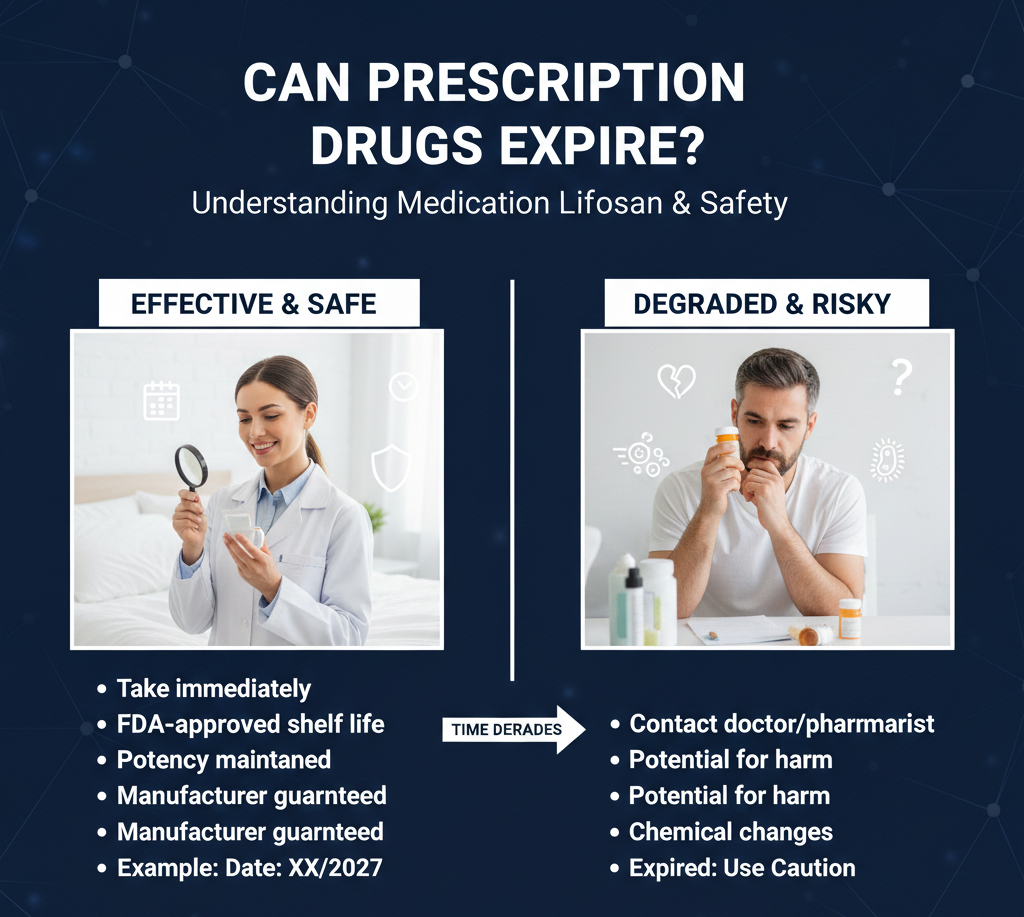
Prescription medications play a vital role in managing health conditions, from chronic illnesses to acute infections. Patients rely on them to treat pain, regulate blood pressure, manage mental health, and more. But a common question arises: “Can prescription drugs expire?”
Yes, prescription drugs do have an expiration date. Beyond this date, the effectiveness, safety, and potency of medications may be compromised. Understanding how drug expiration works, why it occurs, and how to store medications properly ensures patients get maximum benefits while minimizing risks.
This article explores prescription drug expiration, the science behind it, potential risks, and safe practices for storage and disposal.
What Does the Expiration Date Mean?
The expiration date on a prescription medication indicates the date until which the manufacturer guarantees full potency and safety. After this date:
-
The medication may lose effectiveness
-
Chemical composition can change, potentially causing side effects
-
Safety and quality cannot be guaranteed
The expiration date is determined through stability testing under controlled environmental conditions.
Why Prescription Drugs Expire
Medications are made up of active ingredients and inactive components. Over time, these compounds can degrade due to:
-
Chemical Breakdown
-
Active ingredients may lose their potency
-
Inactive ingredients like binders or fillers may separate
-
-
Environmental Factors
-
Heat, humidity, and sunlight can accelerate degradation
-
Improper storage may reduce effectiveness even before expiration
-
-
Contamination Risks
-
Liquid medications or opened containers can accumulate bacteria or fungi
-
Moisture or air exposure may compromise stability
-
Do All Medications Expire at the Same Rate?
No. Different drug types have different shelf lives. Factors include:
-
Formulation: Tablets and capsules usually last longer than liquids or injectables
-
Storage Conditions: Properly stored medications last longer
-
Packaging: Blister packs may protect drugs better than bottles
Approximate Shelf Lives
| Medication Type | Typical Shelf Life |
|---|---|
| Tablets & capsules | 1–5 years |
| Liquids & suspensions | 1–2 years |
| Inhalers & aerosols | 2–3 years |
| Eye drops & nasal sprays | 1–2 years |
| Insulin & biologics | 1 year (refrigerated) |
| Controlled substances (opioids, benzodiazepines) | 2–5 years depending on formulation |
Risks of Taking Expired Medications
While some medications may retain partial potency after expiration, taking expired drugs carries potential risks:
1. Reduced Effectiveness
-
Active ingredients may degrade over time
-
Medication may fail to adequately treat conditions like infections, high blood pressure, or pain
2. Unexpected Side Effects
-
Chemical changes in the drug may produce undesirable effects
-
Rarely, degraded compounds can become toxic
3. Serious Health Complications
-
For life-critical medications (e.g., insulin, heart medications, anti-seizure drugs), reduced potency can be dangerous
-
Expired antibiotics may fail to fully eliminate infections
Medications That Are Particularly Sensitive to Expiration
Some drugs must never be used past their expiration date:
-
Insulin: Can lose potency rapidly, risking uncontrolled blood sugar
-
Nitroglycerin: Used for heart conditions; reduced potency can be life-threatening
-
Epinephrine auto-injectors: For severe allergic reactions; expired injectors may fail in emergencies
-
Liquid antibiotics: Degradation can lead to ineffective treatment
Other medications, like some solid tablets, may retain some effectiveness beyond expiration but should still be replaced to ensure optimal therapy.
Best Practices for Storing Prescription Medications
Proper storage maximizes medication shelf life and safety:
1. Keep Medications in Original Containers
-
Maintain labeling and expiration information
-
Preserve child-resistant caps and protective seals
2. Store in Cool, Dry Places
-
Avoid bathrooms, near sinks, or kitchen counters
-
Heat, moisture, and sunlight can degrade drugs
3. Refrigerate When Required
-
Certain medications (insulin, biologics, liquid antibiotics) require refrigeration at 36–46°F (2–8°C)
-
Avoid freezing unless specified
4. Avoid Exposure to Air
-
Minimize opening bottles repeatedly
-
Keep lids tightly closed to prevent contamination
5. Organize by Expiration Date
-
Rotate medications to use the soonest-to-expire first
-
Regularly review and discard expired drugs
Safe Disposal of Expired Medications
Never flush medications down the toilet unless instructed. Improper disposal can harm the environment or pose a risk to others. Recommended methods include:
-
Drug Take-Back Programs
-
Offered by pharmacies or community centers
-
Often DEA-approved
-
-
Authorized Disposal Sites
-
Local government or pharmacy drop-off points
-
-
Household Disposal (If Take-Back Not Available)
-
Mix medication with undesirable substances (coffee grounds, cat litter)
-
Seal in a plastic bag
-
Place in household trash
-
Special Considerations for Travelers
-
Carry medications in original packaging with labels
-
Use insulated travel bags for temperature-sensitive drugs
-
Monitor expiration dates before travel to ensure medications remain safe and effective
Can Some Medications Be Safe After Expiration?
Some tablets and capsules may retain partial potency for months or even years after expiration. However:
-
Do not rely on expired medications for critical treatment
-
Replacing expired medications is always the safest approach
-
For non-critical use, consult a healthcare provider or pharmacist before taking expired drugs
Key Takeaways
-
All prescription drugs have an expiration date for potency and safety
-
Proper storage preserves effectiveness and reduces risk of degradation
-
Expired medications can be unsafe or less effective, especially for critical treatments
-
Refrigeration, original packaging, and child-resistant storage increase drug safety
-
Safe disposal is crucial for protecting others and the environment
Conclusion
Prescription drugs do expire, and taking expired medications can compromise treatment effectiveness and safety. Understanding how expiration works, which drugs are sensitive, and proper storage practices helps patients maximize benefits while minimizing risks.
By storing medications properly, regularly checking expiration dates, and safely disposing of outdated drugs, patients can ensure their prescriptions remain effective, safe, and reliable. Always consult a healthcare provider or pharmacist if you have questions about the safety of your medications, especially for critical conditions or life-saving treatments.
FAQs
Is guilt a symptom of depression?
Yes, excessive or guilt is listed as a core symptom of Major Depressive Disorder in the DSM-5.
Can guilt cause depression?
While guilt alone doesn’t cause depression, chronic guilt can contribute to its development and worsen existing symptoms.
How do I stop feeling guilty when depressed?
Working with a therapist, practicing self-compassion, and potentially using medication can help manage guilt associated with depression.

Contact us
Have questions? Reach out and we’ll get back to you shortly.
Content
Guilt and Depression at a Glance
How Guilt and Depression Interact
Coping When You’re
Depressed and Feeling Guilty
Evidence-Based Treatments
When to Seek Help
How Loved Ones Can Help
FAQs