
Blog
Can Physical Therapy Reduce Pain Medication Use?

Author:
Medical Writer
Saya Des Marais

Medical Reviewer:
Dr. Russell A. Barkley, Ph.D
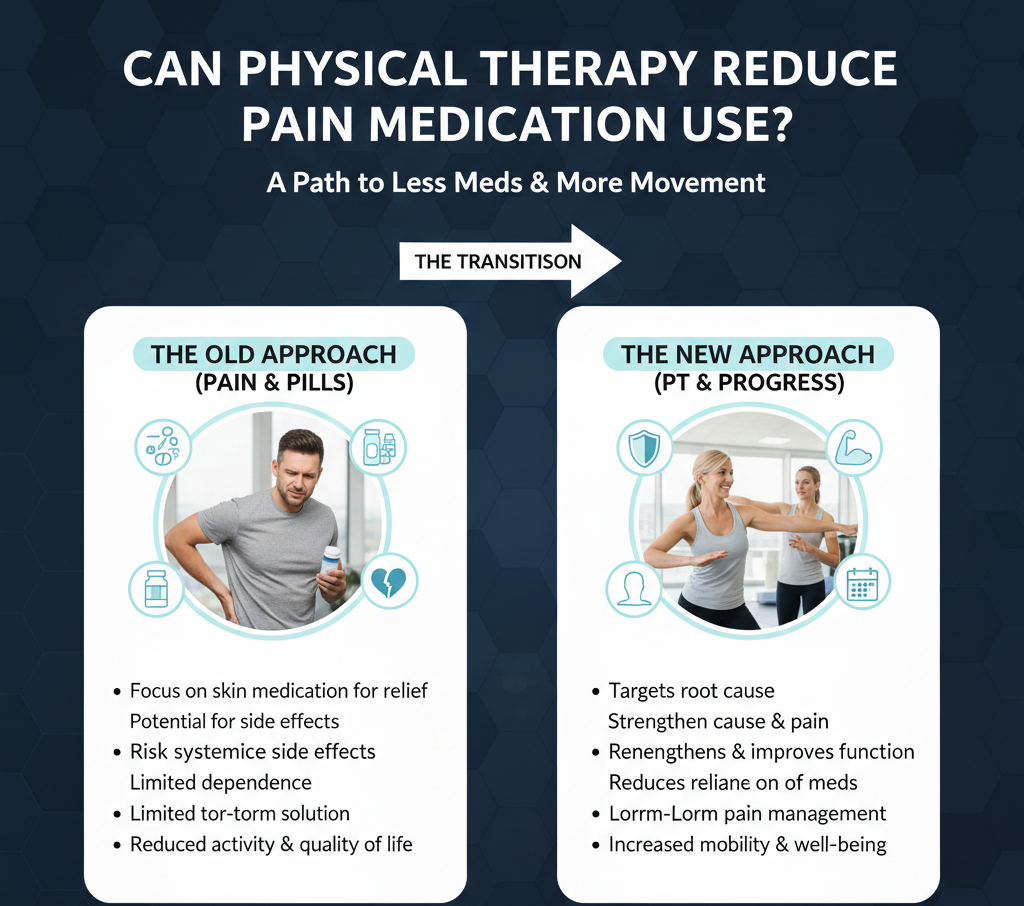
Pain management is an important part of healthcare, especially for people dealing with injuries, chronic conditions, or recovery after surgery. While medications can provide valuable relief, many patients and healthcare providers are increasingly interested in approaches that reduce reliance on drugs whenever possible. One of the most widely recommended non-medication treatments is physical therapy.
Physical therapy focuses on improving movement, strength, flexibility, and overall function through guided exercises and specialized techniques. Instead of only masking symptoms, it aims to address the underlying causes of pain. For many individuals, this approach not only improves physical health but may also help reduce the need for long-term medication use.
This article explores how physical therapy works, when it may help decrease reliance on pain medications, and how it fits into a comprehensive pain management plan.
What Is Physical Therapy?
Physical therapy is a form of rehabilitation that uses movement-based treatments to improve physical function and relieve pain. Licensed physical therapists design personalized programs based on a patient’s condition, mobility level, and recovery goals.
Common Physical Therapy Techniques
-
Targeted stretching and strengthening exercises
-
Manual therapy and joint mobilization
-
Posture correction and ergonomic training
-
Balance and coordination exercises
-
Heat, cold, or electrical stimulation therapies
The goal is to restore function and help patients perform everyday activities with less discomfort.
Why Pain Medications Are Often Used
Medications are commonly prescribed because they can provide quick and noticeable relief. They may help:
-
Reduce inflammation
-
Relax muscles
-
Alter how the brain processes pain signals
-
Improve sleep and daily function
However, medications alone may not address the root cause of pain. Over time, reliance on drugs without addressing physical issues can limit long-term recovery.
How Physical Therapy Helps Reduce Pain Naturally
Physical therapy can influence pain levels in several ways, which may reduce the need for medication.
1. Strengthening Muscles
Weak muscles often contribute to pain and injury. Strengthening targeted areas can stabilize joints and reduce strain.
2. Improving Flexibility and Mobility
Tight muscles and restricted movement patterns can lead to chronic discomfort. Stretching and mobility exercises help improve range of motion and reduce stiffness.
3. Correcting Movement Patterns
Poor posture and repetitive movements can cause ongoing pain. Physical therapists teach safer movement techniques to prevent further injury.
4. Enhancing Blood Circulation
Exercise promotes blood flow, which supports healing and reduces inflammation in injured tissues.
5. Encouraging Long-Term Self-Management
Patients learn exercises and strategies they can continue at home, empowering them to manage pain without relying solely on medication.
Conditions Where Physical Therapy May Reduce Medication Use
Many conditions benefit from physical therapy as part of treatment.
Musculoskeletal Injuries
Sprains, strains, and sports injuries often respond well to rehabilitation exercises that restore strength and mobility.
Chronic Back and Neck Pain
Posture training, core strengthening, and flexibility exercises can significantly reduce discomfort.
Arthritis
Regular movement helps maintain joint health and decrease stiffness, potentially reducing reliance on anti-inflammatory medications.
Post-Surgical Recovery
Physical therapy can speed up healing and reduce the duration of strong pain medication use after surgery.
Chronic Pain Conditions
Conditions such as fibromyalgia or long-term joint issues may improve with consistent physical therapy programs.
Evidence Supporting Physical Therapy in Pain Management
Research suggests that physical therapy can play a major role in reducing pain severity and improving physical function. By addressing muscle imbalances, improving joint stability, and enhancing mobility, many patients experience fewer pain episodes over time.
Healthcare providers increasingly recommend non-drug therapies as first-line treatments for certain types of pain, particularly musculoskeletal conditions.
Benefits Beyond Pain Reduction
In addition to potentially reducing medication use, physical therapy offers broader health advantages.
-
Improved strength and endurance
-
Better posture and body mechanics
-
Reduced risk of future injuries
-
Enhanced balance and coordination
-
Increased confidence in physical activity
-
Better mental well-being and reduced stress
These benefits contribute to overall quality of life and long-term health.
Combining Physical Therapy With Medications
Physical therapy does not necessarily replace medications entirely. Instead, it is often used alongside them.
Examples of Combined Treatment
-
Short-term medication use during acute injury recovery
-
Gradual reduction of medication as strength improves
-
Rehabilitation exercises to support chronic pain management
Doctors may adjust medication plans based on progress achieved through therapy.
Patient Commitment and Consistency
Successful physical therapy requires active participation. Patients who follow exercise plans, attend scheduled sessions, and maintain healthy habits often see the greatest improvements.
Consistency is key, as long-term progress depends on regular movement and adherence to therapist recommendations.
Potential Limitations of Physical Therapy
While physical therapy is beneficial for many individuals, it may not be suitable as a standalone treatment in all cases.
-
Severe acute pain may require temporary medication support
-
Certain medical conditions may limit physical activity
-
Results may take time and require ongoing effort
A healthcare provider can help determine whether physical therapy is appropriate for a specific condition.
Safety Tips for Starting Physical Therapy
-
Consult a licensed healthcare professional before beginning treatment
-
Communicate openly about pain levels and limitations
-
Follow instructions carefully to avoid overexertion
-
Report any new or worsening symptoms promptly
-
Maintain proper hydration and nutrition during rehabilitation
Safe participation ensures effective progress and minimizes injury risk.
How to Discuss Physical Therapy With Your Doctor
If you are interested in reducing reliance on pain medications, consider asking your healthcare provider:
-
Whether physical therapy is appropriate for your condition
-
How long therapy may be needed
-
What improvements to expect
-
How medications might be adjusted over time
-
Whether additional lifestyle changes could support recovery
Collaborative planning helps create a balanced and personalized treatment approach.
Final Thoughts
Physical therapy offers a valuable, non-drug approach to pain management by addressing the underlying physical causes of discomfort. Through targeted exercises, movement education, and rehabilitation techniques, many patients experience improved mobility, reduced pain, and a decreased need for long-term medication use.
While medications remain important in certain situations, combining them with physical therapy can create a more comprehensive and sustainable treatment plan. With guidance from healthcare professionals and consistent patient effort, physical therapy can play a key role in promoting recovery, preventing future injuries, and supporting overall well-being.
FAQs
Is guilt a symptom of depression?
Yes, excessive or guilt is listed as a core symptom of Major Depressive Disorder in the DSM-5.
Can guilt cause depression?
While guilt alone doesn’t cause depression, chronic guilt can contribute to its development and worsen existing symptoms.
How do I stop feeling guilty when depressed?
Working with a therapist, practicing self-compassion, and potentially using medication can help manage guilt associated with depression.

Contact us
Have questions? Reach out and we’ll get back to you shortly.
Content
Guilt and Depression at a Glance
How Guilt and Depression Interact
Coping When You’re
Depressed and Feeling Guilty
Evidence-Based Treatments
When to Seek Help
How Loved Ones Can Help
FAQs