
Blog
Can Caffeine Make Anxiety Worse?

Author:
Medical Writer
Saya Des Marais

Medical Reviewer:
Dr. Russell A. Barkley, Ph.D
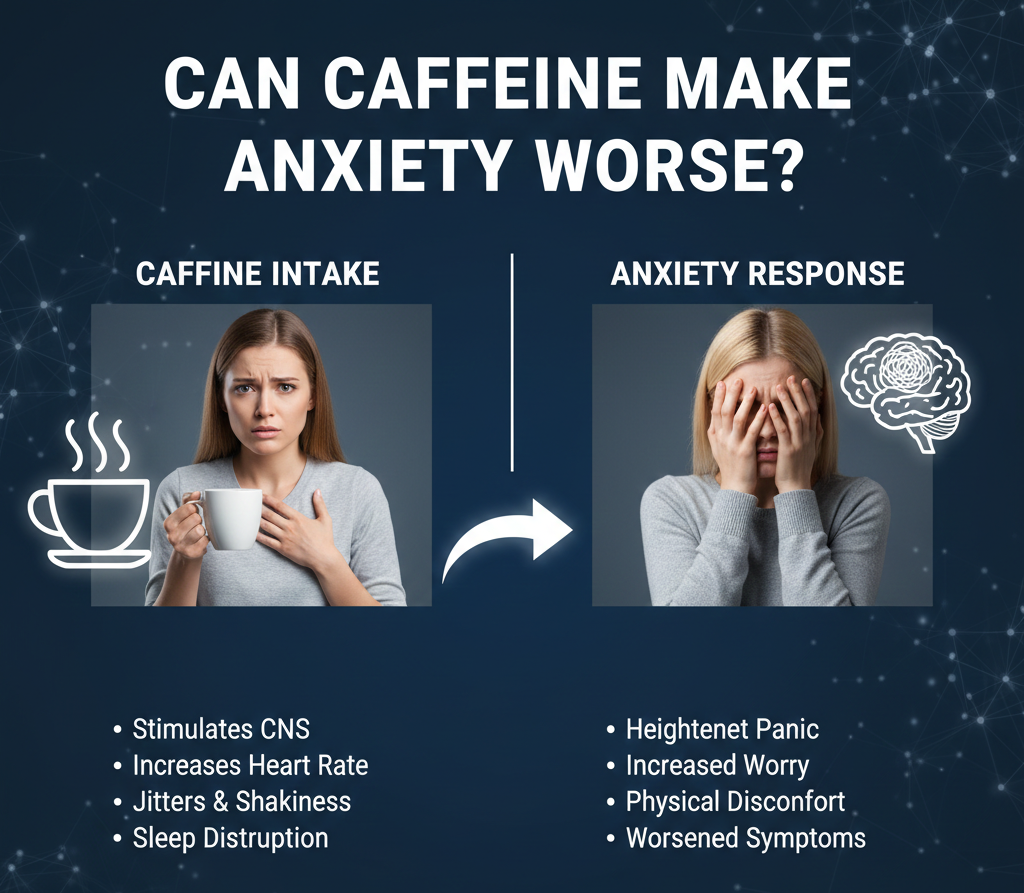
Caffeine is one of the most widely consumed stimulants in the world. Found in coffee, tea, energy drinks, and many soft drinks, it is often used to boost alertness and improve focus. While moderate caffeine intake can enhance performance and mood, it can also have unintended effects on mental health—especially for people prone to anxiety.
Many individuals report feeling jittery, restless, or unusually nervous after consuming caffeine. This raises an important question: Can caffeine make anxiety worse?
Research suggests that caffeine can indeed exacerbate anxiety symptoms in some people. Understanding how caffeine interacts with the brain and nervous system can help individuals make informed choices about their consumption habits.
How Caffeine Works in the Body
To understand the connection between caffeine and anxiety, it is important to explore how caffeine affects the brain.
Caffeine as a Stimulant
Caffeine is a central nervous system stimulant. It works primarily by blocking adenosine, a neurotransmitter responsible for promoting relaxation and sleepiness. When adenosine is blocked, the brain becomes more alert and active.
As a result, caffeine increases the release of stimulating neurotransmitters such as dopamine and norepinephrine. These changes can enhance energy and concentration but may also trigger anxiety-related symptoms.
Why Caffeine Can Worsen Anxiety
1) Activation of the Fight-or-Flight Response
Caffeine stimulates the sympathetic nervous system, which is responsible for the body’s fight-or-flight response. This can lead to physical sensations similar to anxiety, including:
-
Rapid heartbeat
-
Sweating
-
Trembling
-
Restlessness
For individuals with anxiety disorders, these sensations can be interpreted as signs of danger, intensifying anxiety.
2) Increased Stress Hormones
Caffeine can raise levels of cortisol and adrenaline—hormones associated with stress. Elevated stress hormones may heighten feelings of nervousness and worry, particularly in sensitive individuals.
3) Sleep Disruption
Caffeine can interfere with sleep, especially when consumed later in the day. Poor sleep quality is strongly linked to increased anxiety.
Lack of restorative sleep can:
-
Reduce emotional regulation
-
Increase irritability
-
Amplify stress responses
4) Sensitivity Differences Among Individuals
Not everyone reacts to caffeine in the same way. Genetic factors, tolerance levels, and underlying mental health conditions can influence caffeine sensitivity.
Some people can consume large amounts of caffeine with minimal effects, while others experience anxiety after small doses.
Scientific Evidence Linking Caffeine and Anxiety
Research has explored the relationship between caffeine consumption and anxiety symptoms.
Key findings include:
-
High caffeine intake may increase anxiety levels in vulnerable individuals.
-
People with panic disorder may experience panic-like symptoms after caffeine consumption.
-
Reducing caffeine intake can improve anxiety symptoms in some individuals.
While caffeine does not directly cause anxiety disorders, it can worsen existing symptoms.
Signs That Caffeine May Be Affecting Your Anxiety
Caffeine-related anxiety may present as:
-
Persistent nervousness after consuming caffeine
-
Increased heart rate or palpitations
-
Difficulty concentrating
-
Irritability or mood swings
-
Restlessness or jitteriness
If these symptoms occur regularly after caffeine intake, it may be helpful to reassess consumption habits.
How Much Caffeine Is Too Much?
Moderate caffeine intake is generally considered safe for most adults. However, tolerance varies widely.
Factors influencing tolerance include:
-
Body weight
-
Genetics
-
Frequency of consumption
-
Underlying anxiety levels
For individuals with anxiety, even moderate amounts of caffeine may trigger symptoms.
Strategies to Reduce Caffeine-Related Anxiety
1) Gradually Reduce Caffeine Intake
Suddenly stopping caffeine can lead to withdrawal symptoms such as headaches and fatigue. Gradual reduction is often more effective.
2) Switch to Lower-Caffeine Alternatives
Options include:
-
Herbal teas
-
Decaffeinated beverages
-
Low-caffeine coffee
3) Monitor Timing of Consumption
Avoid consuming caffeine late in the day to protect sleep quality.
4) Stay Hydrated and Maintain Balanced Nutrition
Dehydration and blood sugar fluctuations can intensify anxiety symptoms.
5) Practice Stress-Reduction Techniques
Techniques such as deep breathing, meditation, and exercise can help counteract caffeine-induced anxiety.
Balancing Caffeine Use and Mental Health
Caffeine is not inherently harmful, but its effects on anxiety depend on individual sensitivity and consumption patterns. For some people, moderate caffeine intake enhances productivity without negative effects. For others, even small amounts can significantly worsen anxiety symptoms.
Understanding personal limits and adjusting habits accordingly is key to maintaining mental well-being.
When to Seek Professional Support
If anxiety persists despite lifestyle changes, professional support may be beneficial. A mental health professional can help identify triggers and develop personalized strategies for managing anxiety.
Conclusion
Caffeine can worsen anxiety in some individuals by stimulating the nervous system, increasing stress hormones, and disrupting sleep. While it does not cause anxiety disorders directly, it can intensify symptoms and contribute to emotional distress.
By understanding how caffeine affects the brain and adopting mindful consumption habits, individuals can reduce anxiety and improve overall mental health. Making informed choices about caffeine intake is an important step toward achieving emotional balance and well-being.
FAQs
Is guilt a symptom of depression?
Yes, excessive or guilt is listed as a core symptom of Major Depressive Disorder in the DSM-5.
Can guilt cause depression?
While guilt alone doesn’t cause depression, chronic guilt can contribute to its development and worsen existing symptoms.
How do I stop feeling guilty when depressed?
Working with a therapist, practicing self-compassion, and potentially using medication can help manage guilt associated with depression.

Contact us
Have questions? Reach out and we’ll get back to you shortly.
Content
Guilt and Depression at a Glance
How Guilt and Depression Interact
Coping When You’re
Depressed and Feeling Guilty
Evidence-Based Treatments
When to Seek Help
How Loved Ones Can Help
FAQs