
Blog
Can Anxiety Cause Physical Symptoms?

Author:
Medical Writer
Saya Des Marais

Medical Reviewer:
Dr. Russell A. Barkley, Ph.D
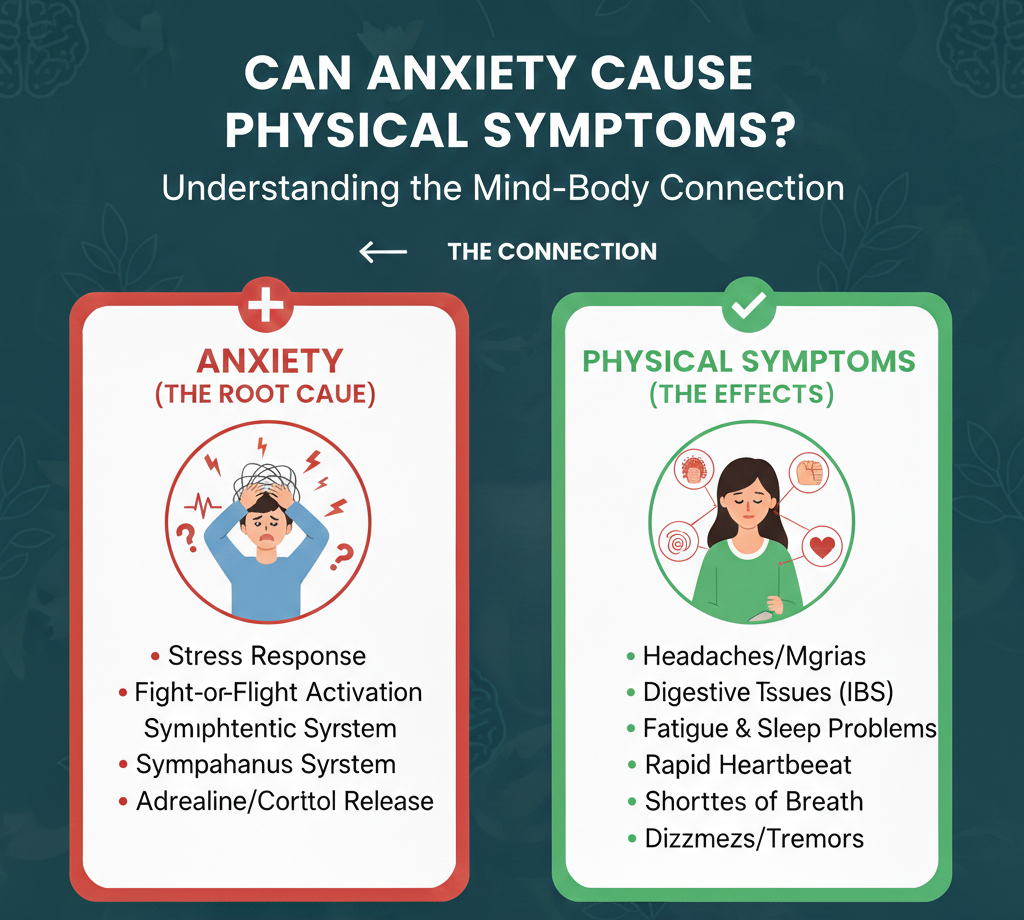
Many people associate anxiety with excessive worrying, nervousness, or racing thoughts. But anxiety doesn’t just affect the mind — it can strongly impact the body as well. In fact, for some individuals, the physical symptoms of anxiety are more distressing than the emotional ones.
If you’ve ever experienced a racing heart, tight chest, dizziness, stomach discomfort, or unexplained aches during stressful moments, you may have wondered: Can anxiety really cause all of this?
The short answer is yes.
Anxiety can produce very real physical symptoms. Understanding why this happens — and how to manage it — can reduce fear and help you regain control.
The Mind-Body Connection
The human body and brain are deeply interconnected. When your brain detects a threat — whether physical or emotional — it activates the “fight-or-flight” response. This survival mechanism prepares your body to respond quickly to danger.
During this response:
-
Heart rate increases
-
Breathing becomes faster
-
Muscles tense
-
Blood pressure rises
-
Stress hormones like cortisol and adrenaline are released
This response is helpful in true emergencies. However, when triggered by everyday stressors — such as work pressure, social anxiety, or health worries — the body reacts as if danger is immediate.
That’s when physical symptoms begin.
Common Physical Symptoms of Anxiety
Anxiety can affect nearly every system in the body. Below are some of the most common physical symptoms.
1. Rapid Heartbeat (Palpitations)
Many people with anxiety report feeling their heart pounding or racing. This occurs because adrenaline increases heart rate to prepare for action.
While uncomfortable, anxiety-related palpitations are usually temporary and not dangerous in healthy individuals. However, persistent or severe symptoms should be evaluated by a medical professional.
2. Chest Tightness or Pain
Chest discomfort is one of the most alarming anxiety symptoms. Muscle tension and rapid breathing can create tightness that mimics heart-related pain.
Because chest pain can have multiple causes, it’s important to rule out medical conditions — especially if it’s new, severe, or accompanied by other concerning symptoms.
3. Shortness of Breath
Anxiety often leads to shallow, rapid breathing (hyperventilation). This can cause:
-
Dizziness
-
Tingling in hands or feet
-
Lightheadedness
-
Feeling unable to get enough air
Ironically, focusing on breathing can sometimes worsen the sensation.
4. Gastrointestinal Issues
The gut is highly sensitive to stress. Anxiety can cause:
-
Nausea
-
Stomach cramps
-
Diarrhea
-
Constipation
-
Acid reflux
-
Loss of appetite
This happens because stress hormones disrupt normal digestive processes. The gut-brain connection explains why anxiety frequently presents as stomach discomfort.
5. Muscle Tension and Body Aches
When anxious, muscles tighten in preparation for danger. Chronic tension can lead to:
-
Neck pain
-
Shoulder stiffness
-
Jaw clenching
-
Headaches
-
Back pain
Over time, constant muscle tension may contribute to persistent discomfort.
6. Headaches
Stress-related headaches and migraines are common in individuals with anxiety. Tight muscles around the scalp and neck, combined with stress hormones, can trigger tension headaches.
7. Fatigue
Living in a constant state of alertness is exhausting. Anxiety drains mental and physical energy, leading to chronic fatigue — even if you’re not physically active.
Sleep disturbances, which often accompany anxiety, further worsen exhaustion.
8. Sweating and Shaking
Adrenaline increases sweat production and can cause trembling or shaking. These symptoms are particularly common during panic attacks or social anxiety situations.
9. Dizziness or Feeling Faint
Rapid breathing alters oxygen and carbon dioxide levels in the blood, which can cause dizziness. This symptom often increases fear, creating a cycle that intensifies anxiety.
Why Physical Symptoms Can Increase Anxiety
Physical symptoms sometimes create a feedback loop:
-
Anxiety triggers physical sensation
-
Sensation feels alarming
-
You interpret it as dangerous
-
Anxiety increases
-
Physical symptoms intensify
For example, a racing heart may lead to thoughts like:
“What if this is something serious?”
This fear increases adrenaline — making the heart race even more.
Breaking this cycle is key to managing anxiety-related symptoms.
How to Differentiate Anxiety from Medical Conditions
It’s important not to dismiss physical symptoms automatically as anxiety. Always consult a healthcare professional if symptoms are:
-
New or unexplained
-
Severe or worsening
-
Accompanied by fainting
-
Persistent despite stress reduction
Once medical causes are ruled out, understanding that anxiety can produce real physical sensations often provides relief.
Reassurance from a healthcare provider can significantly reduce fear-driven symptom cycles.
How to Manage Physical Symptoms of Anxiety
1. Practice Slow Breathing
Controlled breathing helps regulate the nervous system.
Try this:
-
Inhale slowly through your nose for 4 seconds
-
Exhale through your mouth for 6 seconds
-
Repeat for 3–5 minutes
Longer exhalations activate the body’s relaxation response.
2. Progressive Muscle Relaxation
This technique reduces tension by systematically tightening and relaxing muscle groups.
-
Start at your feet
-
Tighten muscles for 5 seconds
-
Release and notice the difference
-
Move upward through your body
This reduces accumulated stress in muscles.
3. Limit Caffeine and Stimulants
Caffeine increases heart rate and nervous system activity, which can mimic anxiety symptoms.
Reducing caffeine intake often decreases palpitations and jitteriness.
4. Improve Sleep Hygiene
Poor sleep worsens anxiety and physical symptoms.
Create a consistent bedtime routine:
-
Avoid screens before bed
-
Keep your room cool and dark
-
Maintain regular sleep times
Better sleep strengthens stress resilience.
5. Engage in Regular Physical Activity
Exercise helps regulate stress hormones and releases endorphins — natural mood stabilizers.
Even 20–30 minutes of moderate activity daily can significantly reduce anxiety symptoms.
6. Challenge Catastrophic Thoughts
If you notice physical symptoms triggering fearful thoughts, pause and ask:
-
Have I felt this before?
-
Did it pass?
-
Has a doctor ruled out serious causes?
Remind yourself that anxiety symptoms, while uncomfortable, are typically temporary.
When to Seek Professional Help
Consider consulting a healthcare provider or mental health professional if:
-
Physical symptoms occur frequently
-
Panic attacks disrupt daily life
-
Anxiety interferes with work or relationships
-
You avoid activities due to fear of symptoms
Cognitive Behavioral Therapy (CBT) is particularly effective for managing anxiety-related physical symptoms. In some cases, medication may also be recommended.
Professional guidance can provide tools tailored to your situation.
The Importance of Self-Compassion
Many people feel frustrated or embarrassed by physical anxiety symptoms. It’s important to remember that these reactions are not signs of weakness — they are biological responses.
Your body is trying to protect you, even if it’s overreacting.
Learning to respond with calm reassurance instead of fear can gradually retrain your nervous system.
Long-Term Outlook
The good news is that anxiety-related physical symptoms are highly treatable. With the right strategies — lifestyle adjustments, therapy, stress management, and professional support when needed — most people see significant improvement.
The key is understanding that mind and body are connected.
Addressing anxiety at its source often reduces physical symptoms naturally.
Final Thoughts
So, can anxiety cause physical symptoms?
Absolutely.
Anxiety can affect your heart, stomach, muscles, breathing, and overall energy levels. These sensations are real — but they are usually not dangerous.
By understanding the mind-body connection, calming the nervous system, and seeking professional guidance when necessary, you can break the cycle of fear and regain confidence in your body.
Your symptoms are not “all in your head.” They are signals — and with the right approach, they can be managed effectively.
FAQs
Is guilt a symptom of depression?
Yes, excessive or guilt is listed as a core symptom of Major Depressive Disorder in the DSM-5.
Can guilt cause depression?
While guilt alone doesn’t cause depression, chronic guilt can contribute to its development and worsen existing symptoms.
How do I stop feeling guilty when depressed?
Working with a therapist, practicing self-compassion, and potentially using medication can help manage guilt associated with depression.

Contact us
Have questions? Reach out and we’ll get back to you shortly.
Content
Guilt and Depression at a Glance
How Guilt and Depression Interact
Coping When You’re
Depressed and Feeling Guilty
Evidence-Based Treatments
When to Seek Help
How Loved Ones Can Help
FAQs