
Blog
What Is Anxiety Disorder? Types, Symptoms, and Treatment Options

Author:
Medical Writer
Saya Des Marais

Medical Reviewer:
Dr. Russell A. Barkley, Ph.D
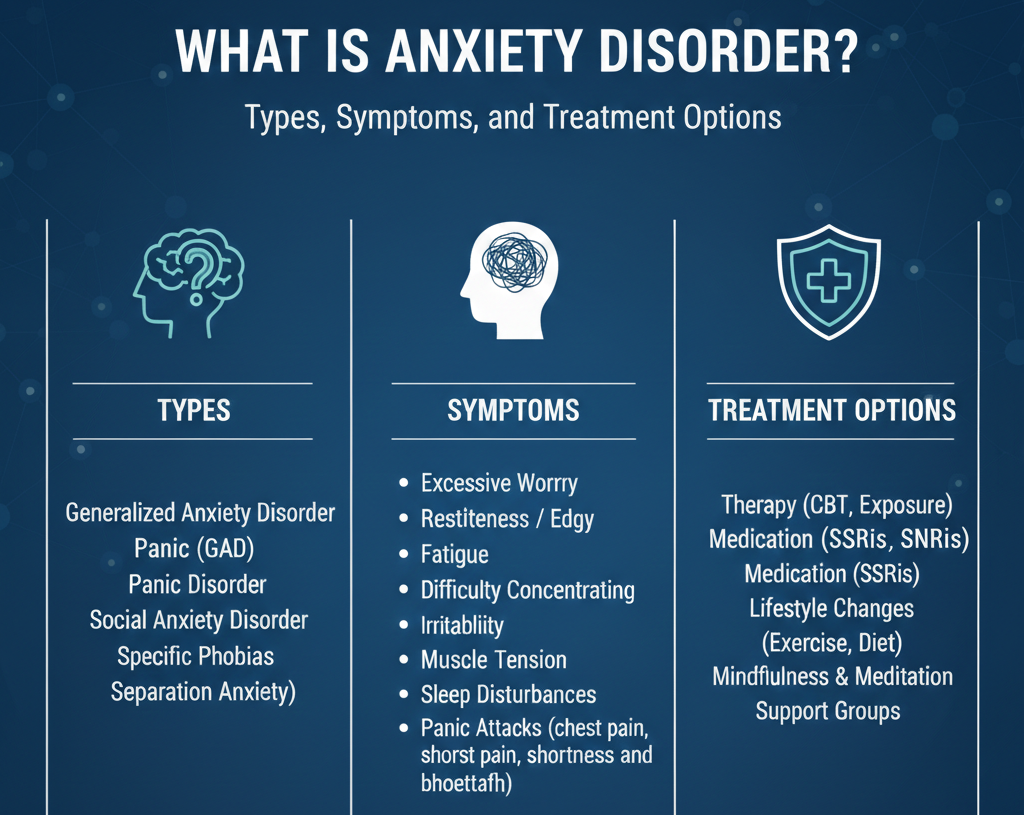
Anxiety is a natural human response to stress, danger, or uncertainty. Feeling anxious before an exam, job interview, or important decision is normal. However, when anxiety becomes persistent, overwhelming, and begins to interfere with daily life, it may be classified as an anxiety disorder. Anxiety disorders are among the most common mental health conditions in the United States and affect millions of adults each year.
This article explains what anxiety disorder is, the different types, common symptoms, potential causes, and the treatment options available to help manage the condition effectively.
What Is an Anxiety Disorder?
An anxiety disorder is a mental health condition characterized by excessive fear, worry, or nervousness that is disproportionate to the situation and lasts for an extended period. Unlike short-term anxiety, anxiety disorders often persist for months or years and can significantly impact work, relationships, sleep, and overall quality of life.
Anxiety disorders are not a sign of weakness or personal failure. They are recognized medical conditions that involve complex interactions between brain chemistry, genetics, personality, and environmental factors.
Common Types of Anxiety Disorders
There are several types of anxiety disorders, each with distinct features and symptoms.
1. Generalized Anxiety Disorder (GAD)
Generalized Anxiety Disorder involves chronic and excessive worry about everyday activities such as health, finances, work, or family. Individuals with GAD often find it difficult to control their worry even when there is little or no reason for concern.
Common features include:
-
Persistent worry lasting six months or longer
-
Difficulty relaxing
-
Overthinking potential problems
2. Panic Disorder
Panic disorder is characterized by recurrent panic attacks, which are sudden episodes of intense fear that peak within minutes.
Symptoms during a panic attack may include:
-
Rapid heartbeat
-
Shortness of breath
-
Chest pain
-
Dizziness or trembling
-
Fear of losing control
Some individuals develop a fear of future attacks, leading to avoidance of certain places or situations.
3. Social Anxiety Disorder
Social anxiety disorder involves an intense fear of social situations where one may feel judged, embarrassed, or scrutinized by others.
Examples include:
-
Fear of public speaking
-
Avoiding social gatherings
-
Anxiety during conversations or meetings
This condition can significantly affect education, career growth, and personal relationships.
4. Specific Phobias
Specific phobias involve an irrational fear of a particular object or situation, such as heights, flying, needles, or animals. Exposure to the feared object often triggers immediate anxiety.
5. Separation Anxiety Disorder
While commonly associated with children, separation anxiety can also affect adults. It involves excessive fear or anxiety about being separated from loved ones.
Common Symptoms of Anxiety Disorders
Anxiety disorders can cause both emotional and physical symptoms. These symptoms may vary depending on the type and severity of the disorder.
Emotional and Cognitive Symptoms
-
Excessive worry or fear
-
Feeling restless or on edge
-
Difficulty concentrating
-
Irritability
-
Fear of worst-case scenarios
Physical Symptoms
-
Rapid heartbeat
-
Muscle tension
-
Fatigue
-
Sweating
-
Nausea or stomach discomfort
-
Trouble sleeping
Because many physical symptoms overlap with other medical conditions, anxiety disorders are sometimes misdiagnosed or overlooked.
What Causes Anxiety Disorders?
There is no single cause of anxiety disorders. Instead, they develop due to a combination of factors:
1. Genetics
A family history of anxiety or other mental health conditions may increase the risk.
2. Brain Chemistry
Imbalances in neurotransmitters such as serotonin, dopamine, and gamma-aminobutyric acid (GABA) play a role in regulating mood and fear responses.
3. Stress and Trauma
Traumatic events, chronic stress, or major life changes can trigger anxiety disorders.
4. Medical Conditions
Certain health issues, including thyroid disorders, heart conditions, or chronic pain, may contribute to anxiety symptoms.
5. Substance Use
Excessive caffeine, alcohol, or certain medications can worsen or trigger anxiety symptoms.
Treatment Options for Anxiety Disorders
Anxiety disorders are highly treatable, and many people experience significant improvement with proper care. Treatment plans vary depending on the individual and severity of symptoms.
1. Psychotherapy
Psychotherapy, also known as talk therapy, is one of the most effective treatments for anxiety disorders.
Cognitive Behavioral Therapy (CBT) is widely used and focuses on:
-
Identifying negative thought patterns
-
Learning coping strategies
-
Gradually facing anxiety triggers
2. Medications
In some cases, healthcare providers may prescribe medications to help manage anxiety symptoms. These may include antidepressants or anti-anxiety medications. Medication decisions are made based on individual needs, medical history, and symptom severity.
Important: Medications should always be used under medical supervision.
3. Lifestyle and Behavioral Changes
Certain lifestyle adjustments can help reduce anxiety symptoms:
-
Regular physical activity
-
Adequate sleep
-
Balanced nutrition
-
Limiting caffeine and alcohol
-
Practicing relaxation techniques such as deep breathing or mindfulness
4. Stress Management Techniques
Learning how to manage stress effectively can reduce the intensity and frequency of anxiety symptoms. Techniques may include meditation, yoga, journaling, or structured relaxation exercises.
When to Seek Professional Help
Occasional anxiety is normal, but professional help should be considered if:
-
Anxiety interferes with daily activities
-
Symptoms persist for weeks or months
-
Panic attacks occur frequently
-
Anxiety leads to avoidance behaviors
-
Physical symptoms are severe or concerning
Early intervention can prevent symptoms from worsening and improve long-term outcomes.
Living With Anxiety Disorder
Living with an anxiety disorder can be challenging, but many people successfully manage their symptoms and lead fulfilling lives. Education, awareness, and proper treatment play a critical role in recovery.
Understanding anxiety as a medical condition—not a personal flaw—can reduce stigma and encourage individuals to seek the support they need.
Final Thoughts
Anxiety disorders are common, complex, and treatable mental health conditions. Recognizing the symptoms, understanding the different types, and exploring available treatment options are important steps toward better mental well-being. With the right approach, individuals can regain control, reduce symptoms, and improve their quality of life.
⚠️ Medical Disclaimer
This content is for educational purposes only and is not a substitute for professional medical advice, diagnosis, or treatment. Always consult a qualified healthcare provider regarding mental health concerns.
FAQs
Is guilt a symptom of depression?
Yes, excessive or guilt is listed as a core symptom of Major Depressive Disorder in the DSM-5.
Can guilt cause depression?
While guilt alone doesn’t cause depression, chronic guilt can contribute to its development and worsen existing symptoms.
How do I stop feeling guilty when depressed?
Working with a therapist, practicing self-compassion, and potentially using medication can help manage guilt associated with depression.

Contact us
Have questions? Reach out and we’ll get back to you shortly.
Content
Guilt and Depression at a Glance
How Guilt and Depression Interact
Coping When You’re
Depressed and Feeling Guilty
Evidence-Based Treatments
When to Seek Help
How Loved Ones Can Help
FAQs