
Blog
What Happens When Anxiety Is Left Untreated?

Author:
Medical Writer
Saya Des Marais

Medical Reviewer:
Dr. Russell A. Barkley, Ph.D
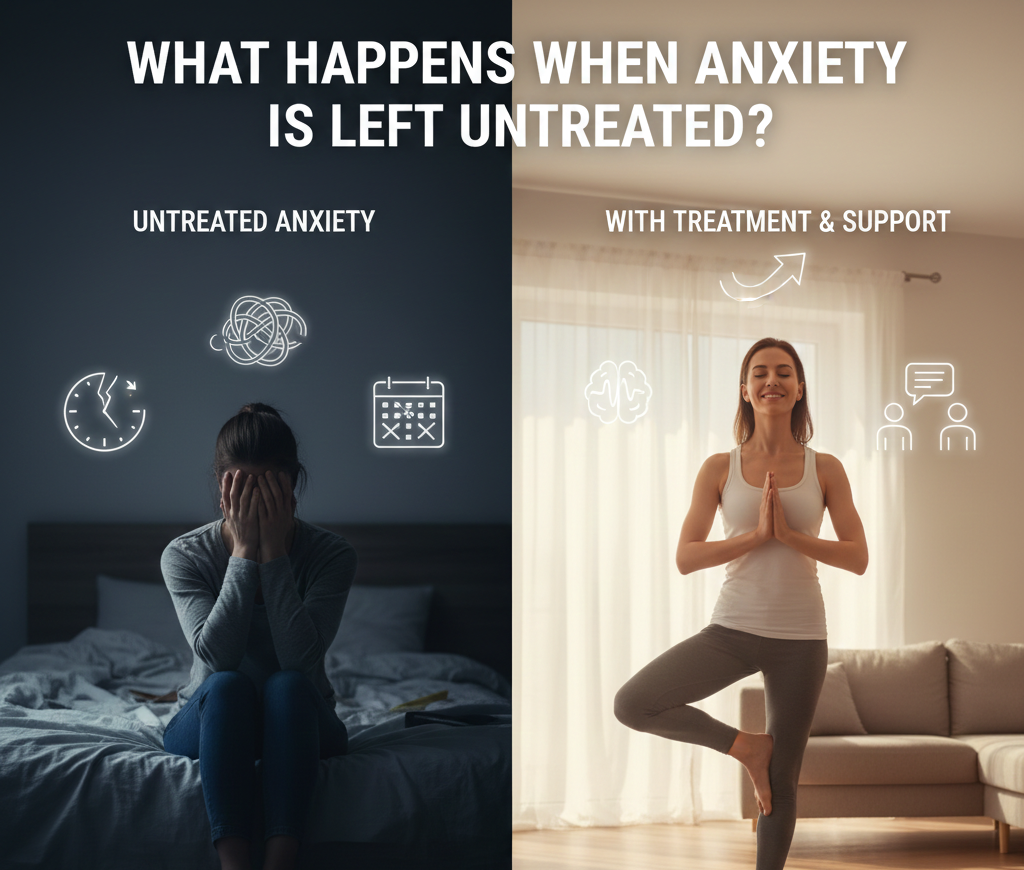
Anxiety is a natural human response to stress and danger. It helps people stay alert and prepared for challenges. However, when anxiety becomes persistent, intense, and difficult to control, it may develop into an anxiety disorder.
Many people delay seeking help for anxiety due to stigma, lack of awareness, or the belief that symptoms will resolve on their own. While mild anxiety can sometimes improve naturally, chronic or severe anxiety left untreated can lead to serious emotional, physical, and social consequences.
This article explores what happens when anxiety is left untreated, why early intervention matters, and how proper support can improve long-term well-being.
Understanding Untreated Anxiety
Untreated anxiety refers to ongoing anxiety symptoms that are not managed through therapy, lifestyle changes, or medical care. Over time, unresolved anxiety can worsen and affect multiple areas of life.
Anxiety disorders can include:
-
Generalized Anxiety Disorder (GAD)
-
Panic Disorder
-
Social Anxiety Disorder
-
Phobias
-
Post-Traumatic Stress Disorder (PTSD)
Each type can have unique symptoms, but they share common patterns of excessive worry and fear.
Psychological Effects of Untreated Anxiety
1) Worsening Anxiety Symptoms
Without treatment, anxiety often becomes more intense and frequent. What begins as occasional worry may evolve into constant fear or panic.
Symptoms may include:
-
Persistent worry
-
Irritability
-
Restlessness
-
Difficulty concentrating
-
Sleep disturbances
Over time, the brain may become more sensitive to stress, making anxiety harder to control.
2) Development of Other Mental Health Conditions
Untreated anxiety can increase the risk of additional mental health challenges.
Common co-occurring conditions include:
-
Depression
-
Substance misuse
-
Obsessive thoughts or behaviors
-
Emotional burnout
Anxiety and depression often reinforce each other, creating a cycle that can be difficult to break without professional support.
3) Reduced Quality of Life
Chronic anxiety can limit a person’s ability to enjoy daily activities. Individuals may avoid social situations, work responsibilities, or new experiences due to fear or worry.
This avoidance can lead to:
-
Isolation
-
Loss of confidence
-
Decreased productivity
-
Strained relationships
Over time, life may feel increasingly restricted by anxiety.
Physical Effects of Untreated Anxiety
Anxiety does not only affect the mind—it also impacts the body.
1) Chronic Stress Response
When anxiety is persistent, the body remains in a constant state of “fight-or-flight.” This prolonged stress response can affect multiple systems.
Potential effects include:
-
Elevated heart rate
-
Muscle tension
-
Digestive issues
-
Fatigue
2) Increased Risk of Physical Health Problems
Research suggests that long-term anxiety may contribute to various physical health concerns, such as:
-
Cardiovascular strain
-
Weakened immune function
-
Chronic pain conditions
-
Sleep disorders
Although anxiety does not directly cause all these conditions, it can worsen existing health issues.
3) Sleep Disturbances
Sleep problems are common in people with untreated anxiety.
Symptoms may include:
-
Difficulty falling asleep
-
Frequent waking
-
Non-restorative sleep
Poor sleep can intensify anxiety, creating a cycle of worsening symptoms.
Social and Occupational Consequences
1) Impact on Relationships
Untreated anxiety can affect personal relationships. Individuals may become withdrawn, irritable, or overly dependent on reassurance.
This can lead to:
-
Communication difficulties
-
Conflict with loved ones
-
Reduced emotional connection
2) Work and Academic Challenges
Anxiety can impair concentration, decision-making, and performance.
Possible consequences include:
-
Reduced productivity
-
Missed opportunities
-
Increased absenteeism
-
Career stagnation
Over time, untreated anxiety can limit professional growth.
Behavioral Changes Linked to Untreated Anxiety
When anxiety is unmanaged, individuals may adopt coping behaviors that provide temporary relief but create long-term problems.
Examples include:
-
Avoidance of responsibilities
-
Overuse of digital devices
-
Emotional eating
-
Risky coping strategies
These behaviors can reinforce anxiety and reduce overall well-being.
Long-Term Risks of Untreated Anxiety
1) Chronic Anxiety Disorders
Without intervention, anxiety disorders can become chronic conditions that persist for years.
2) Reduced Resilience to Stress
Untreated anxiety can weaken emotional resilience, making it harder to cope with future challenges.
3) Impact on Overall Health and Longevity
Chronic stress and anxiety can contribute to long-term health complications, highlighting the importance of early treatment.
Why People Avoid Treatment
Despite the risks, many people hesitate to seek help.
Common barriers include:
-
Fear of stigma
-
Lack of awareness
-
Financial concerns
-
Misunderstanding of treatment options
Education and awareness are crucial in overcoming these barriers.
Benefits of Early Treatment
Seeking help early can significantly improve outcomes.
Key Benefits
-
Better symptom management
-
Improved quality of life
-
Reduced risk of complications
-
Stronger coping skills
Treatment may include therapy, lifestyle changes, and professional guidance.
When to Seek Professional Support
It may be time to seek help if anxiety:
-
Persists for months
-
Interferes with daily life
-
Causes physical symptoms
-
Leads to avoidance behaviors
Early intervention can prevent anxiety from becoming more severe.
Conclusion
When anxiety is left untreated, it can gradually affect mental health, physical well-being, relationships, and overall quality of life. What begins as manageable worry can evolve into chronic stress and emotional exhaustion.
However, anxiety is highly treatable. Understanding the risks of untreated anxiety encourages individuals to seek support and take proactive steps toward mental well-being. With the right approach, it is possible to regain control, build resilience, and live a healthier, more balanced life.
FAQs
Is guilt a symptom of depression?
Yes, excessive or guilt is listed as a core symptom of Major Depressive Disorder in the DSM-5.
Can guilt cause depression?
While guilt alone doesn’t cause depression, chronic guilt can contribute to its development and worsen existing symptoms.
How do I stop feeling guilty when depressed?
Working with a therapist, practicing self-compassion, and potentially using medication can help manage guilt associated with depression.

Contact us
Have questions? Reach out and we’ll get back to you shortly.
Content
Guilt and Depression at a Glance
How Guilt and Depression Interact
Coping When You’re
Depressed and Feeling Guilty
Evidence-Based Treatments
When to Seek Help
How Loved Ones Can Help
FAQs