
Blog
Therapy vs. Medication: What Works Best for Anxiety?

Author:
Medical Writer
Saya Des Marais

Medical Reviewer:
Dr. Russell A. Barkley, Ph.D
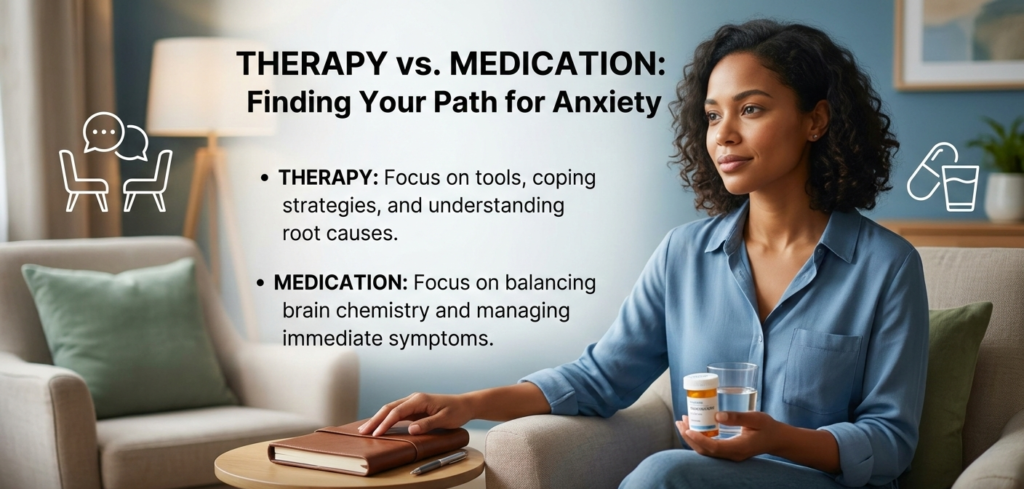
Anxiety disorders are among the most common mental health conditions worldwide, affecting people of all ages and lifestyles. Persistent worry, panic attacks, restlessness, and sleep disturbances can significantly interfere with daily life. Fortunately, effective treatments are available, with therapy and medication being the two primary approaches.
Many individuals facing anxiety often wonder: Should I choose therapy or medication? The answer is not always simple. Each treatment option offers unique benefits, and the best choice often depends on individual symptoms, severity, and personal preferences.
This guide explores how therapy and medication work, their advantages, limitations, and when combining both may provide the most effective results.
Understanding Anxiety Treatment Goals
The primary goal of anxiety treatment is not just symptom relief but long-term emotional stability and improved quality of life. Effective treatment aims to:
-
Reduce excessive fear and worry
-
Improve daily functioning
-
Prevent panic episodes
-
Enhance coping skills
-
Promote emotional resilience
Both therapy and medication can help achieve these outcomes, though they work in different ways.
How Therapy Helps Treat Anxiety
Psychological therapy focuses on identifying and addressing the underlying causes of anxiety rather than simply managing symptoms.
Cognitive Behavioral Therapy (CBT)
The most widely recommended therapy for anxiety disorders is Cognitive Behavioral Therapy (CBT).
CBT helps individuals:
-
Recognize negative thought patterns
-
Challenge irrational fears
-
Develop healthier thinking habits
-
Gradually face anxiety triggers
-
Learn coping and relaxation techniques
Unlike medication, therapy teaches practical skills that remain useful long after treatment ends.
Benefits of Therapy
-
Addresses root causes of anxiety
-
Provides long-term coping strategies
-
No medication-related side effects
-
Improves self-awareness and confidence
-
Reduces risk of relapse
Therapy is particularly effective for generalized anxiety disorder, social anxiety disorder, panic disorder, and phobias.
Limitations of Therapy
-
Requires time and commitment
-
Progress may be gradual
-
Access or cost may be challenging for some individuals
-
Severe symptoms may initially limit participation
Despite these challenges, therapy often produces lasting improvements.
How Medication Helps Treat Anxiety
Anxiety medications work by adjusting brain chemistry to reduce excessive fear responses and emotional distress.
Common Types of Anxiety Medications
1. Antidepressants (SSRIs & SNRIs)
These medications increase levels of serotonin or norepinephrine, improving mood regulation and reducing anxiety over time.
Examples include:
-
Sertraline
-
Escitalopram
-
Venlafaxine
-
Duloxetine
They are commonly prescribed for long-term anxiety management.
2. Benzodiazepines
These fast-acting medications enhance calming brain signals and provide quick relief during acute anxiety or panic attacks.
Examples:
-
Alprazolam
-
Lorazepam
-
Clonazepam
They are usually recommended for short-term or occasional use.
3. Beta-Blockers and Other Options
Some medications reduce physical symptoms such as rapid heartbeat or trembling associated with situational anxiety.
Benefits of Medication
-
Rapid symptom relief (especially for severe anxiety)
-
Improves sleep and concentration
-
Helps stabilize mood
-
Makes therapy participation easier
-
Effective for panic attacks and intense anxiety
Medication can be life-changing for individuals whose symptoms significantly impair daily functioning.
Limitations of Medication
-
Possible side effects
-
Adjustment period required
-
Symptoms may return after discontinuation
-
Some medications carry dependence risks
-
Requires medical supervision
Medication treats symptoms but may not address underlying behavioral or emotional patterns alone.
Therapy vs. Medication: Key Differences
| Factor | Therapy | Medication |
|---|---|---|
| Focus | Thought & behavior change | Brain chemistry balance |
| Speed of Results | Gradual | Often faster |
| Long-Term Benefits | Strong | Depends on continued use |
| Side Effects | Minimal | Possible |
| Skill Development | Yes | No |
| Relapse Prevention | High | Moderate |
Both approaches serve important but different roles in anxiety management.
When Therapy May Be the Best Choice
Therapy alone may work well if:
-
Anxiety symptoms are mild to moderate
-
The individual prefers non-medication treatment
-
Stress or life events trigger anxiety
-
Long-term coping skills are the main goal
-
Medication side effects are a concern
Many people successfully manage anxiety through therapy and lifestyle changes alone.
When Medication May Be Necessary
Medication may be recommended when:
-
Anxiety severely disrupts daily life
-
Panic attacks occur frequently
-
Sleep disturbances are significant
-
Depression occurs alongside anxiety
-
Therapy alone has not provided sufficient relief
Medication can help stabilize symptoms so individuals can fully benefit from therapy.
Why Combination Treatment Often Works Best
Research consistently shows that combining therapy and medication often produces the most effective results, especially for moderate to severe anxiety disorders.
Medication can reduce overwhelming symptoms, while therapy builds lasting coping mechanisms.
Combined Treatment Benefits:
-
Faster symptom improvement
-
Better long-term recovery
-
Lower relapse rates
-
Improved emotional resilience
Many healthcare providers recommend starting both treatments simultaneously when anxiety significantly affects functioning.
Lifestyle Factors That Support Both Treatments
Regardless of treatment choice, healthy habits enhance recovery:
-
Regular exercise
-
Balanced nutrition
-
Quality sleep
-
Stress management techniques
-
Mindfulness or meditation
-
Reduced caffeine and alcohol intake
Lifestyle improvements strengthen both therapeutic and medication outcomes.
Personalized Treatment Matters
There is no universal solution for anxiety treatment. What works best varies based on:
-
Type of anxiety disorder
-
Symptom severity
-
Medical history
-
Personal comfort level
-
Treatment response
Open communication with healthcare professionals helps determine the safest and most effective approach.
Treatment plans may also change over time as symptoms improve or life circumstances evolve.
Breaking the Stigma Around Anxiety Treatment
Some individuals hesitate to seek treatment due to stigma surrounding mental health or medication use. However, anxiety disorders are medical conditions—not personal weaknesses.
Seeking therapy or medication reflects proactive self-care and commitment to well-being. Modern treatment options allow millions of individuals to lead balanced, productive lives.
Final Thoughts
So, what works best for anxiety—therapy or medication?
The truth is that both approaches are valuable tools. Therapy provides long-term skills and emotional understanding, while medication helps regulate brain chemistry and relieve distressing symptoms. For many individuals, a combination of both delivers the strongest and most sustainable results.
If anxiety begins interfering with daily activities, relationships, or overall health, consulting a qualified healthcare professional is an important first step toward recovery. With the right treatment plan, anxiety can be effectively managed, allowing individuals to regain confidence and control over their lives.
FAQs
Is guilt a symptom of depression?
Yes, excessive or guilt is listed as a core symptom of Major Depressive Disorder in the DSM-5.
Can guilt cause depression?
While guilt alone doesn’t cause depression, chronic guilt can contribute to its development and worsen existing symptoms.
How do I stop feeling guilty when depressed?
Working with a therapist, practicing self-compassion, and potentially using medication can help manage guilt associated with depression.

Contact us
Have questions? Reach out and we’ll get back to you shortly.
Content
Guilt and Depression at a Glance
How Guilt and Depression Interact
Coping When You’re
Depressed and Feeling Guilty
Evidence-Based Treatments
When to Seek Help
How Loved Ones Can Help
FAQs