
Blog
Non-Medication Ways to Support Anxiety Treatment

Author:
Medical Writer
Saya Des Marais

Medical Reviewer:
Dr. Russell A. Barkley, Ph.D
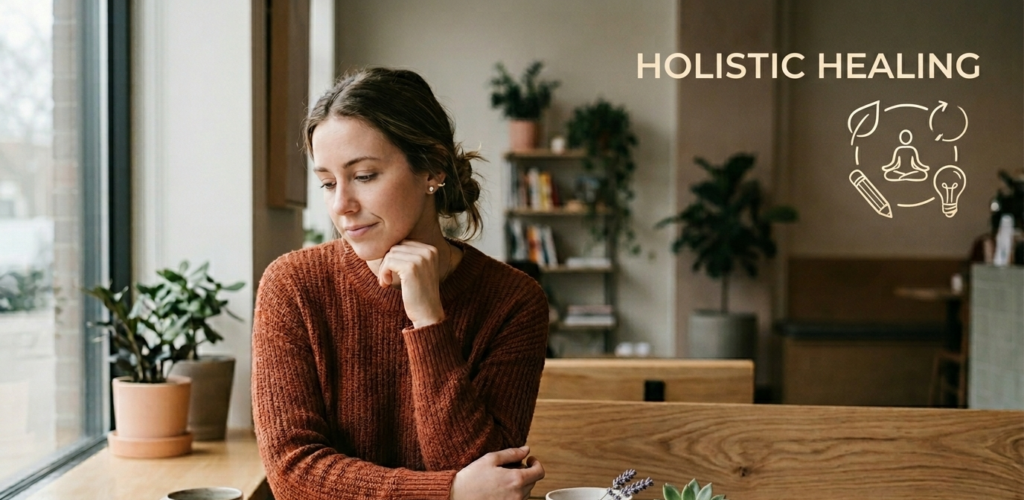
Anxiety disorders affect millions of individuals worldwide, impacting emotional well-being, productivity, sleep quality, and overall health. While medications can play an important role in managing moderate to severe anxiety, many people benefit greatly from non-medication approaches that support long-term recovery and emotional balance.
Non-medication strategies are valuable whether used alone for mild anxiety or alongside prescribed treatments. These methods focus on improving mental resilience, reducing stress triggers, and helping individuals develop healthier coping mechanisms.
This guide explores effective, science-backed ways to support anxiety treatment naturally.
Understanding Anxiety Beyond Medication
Anxiety is not only a chemical imbalance—it is also influenced by lifestyle habits, thought patterns, environmental stress, and physical health. Because anxiety affects both the mind and body, treatment works best when multiple supportive strategies are combined.
Non-medication approaches aim to:
-
Reduce stress responses
-
Improve emotional regulation
-
Strengthen coping skills
-
Promote relaxation
-
Enhance overall mental wellness
These methods empower individuals to actively participate in their recovery process.
1. Cognitive Behavioral Therapy (CBT)
Psychotherapy remains one of the most effective non-medication treatments for anxiety disorders.
Cognitive Behavioral Therapy (CBT) helps individuals identify negative thinking patterns that contribute to anxiety and replace them with healthier perspectives.
CBT focuses on:
-
Recognizing anxious thoughts
-
Challenging irrational fears
-
Developing problem-solving skills
-
Gradual exposure to anxiety triggers
Research shows CBT can provide long-lasting improvements, even after therapy sessions end. Many people experience reduced anxiety symptoms without requiring long-term medication.
2. Regular Physical Exercise
Exercise is one of the most powerful natural anxiety reducers available.
Physical activity releases endorphins, often called “feel-good hormones,” which improve mood and decrease stress levels. Exercise also lowers cortisol, the hormone responsible for stress reactions.
Helpful forms of exercise include:
-
Walking or jogging
-
Yoga
-
Swimming
-
Cycling
-
Strength training
-
Dancing
Even 20–30 minutes of moderate activity most days of the week can significantly reduce anxiety symptoms and improve sleep quality.
3. Mindfulness and Meditation Practices
Mindfulness teaches individuals to focus on the present moment rather than worrying about future uncertainties or past events.
Meditation practices help calm overactive thought patterns commonly associated with anxiety.
Benefits include:
-
Reduced racing thoughts
-
Improved emotional control
-
Lower heart rate
-
Better stress tolerance
Popular techniques include:
-
Deep breathing exercises
-
Guided meditation
-
Body scan relaxation
-
Progressive muscle relaxation
Consistent practice—even for 10 minutes daily—can produce noticeable improvements over time.
4. Healthy Sleep Habits
Poor sleep and anxiety often create a harmful cycle. Anxiety disrupts sleep, and lack of rest worsens anxious thinking.
Improving sleep hygiene can dramatically support anxiety treatment.
Tips for Better Sleep:
-
Maintain a consistent sleep schedule
-
Avoid screens before bedtime
-
Limit caffeine intake in the evening
-
Create a calm sleeping environment
-
Practice relaxation techniques before sleep
Quality sleep restores brain function and improves emotional regulation.
5. Balanced Nutrition and Diet
Diet plays a surprisingly important role in mental health. Certain foods support brain chemistry and stabilize mood.
Foods That May Help Anxiety:
-
Whole grains
-
Fruits and vegetables
-
Fatty fish rich in omega-3 fatty acids
-
Nuts and seeds
-
Lean proteins
Foods to Limit:
-
Excess caffeine
-
Processed sugar
-
Alcohol
-
Highly processed foods
Stable blood sugar levels help prevent mood swings and irritability linked to anxiety symptoms.
6. Breathing Techniques for Immediate Relief
Anxiety often triggers rapid, shallow breathing, which increases physical discomfort and panic sensations.
Controlled breathing techniques help activate the body’s relaxation response.
One effective method is 4-7-8 breathing:
-
Inhale for 4 seconds
-
Hold breath for 7 seconds
-
Exhale slowly for 8 seconds
Practicing this technique during stressful moments can quickly reduce tension and calm the nervous system.
7. Building Strong Social Connections
Isolation can worsen anxiety symptoms, while supportive relationships promote emotional stability.
Connecting with trusted individuals allows people to:
-
Share concerns openly
-
Gain reassurance
-
Feel understood and supported
Helpful social supports include:
-
Family members
-
Friends
-
Support groups
-
Counseling communities
Human connection plays a vital role in mental health recovery.
8. Stress Management and Time Organization
Chronic stress is a major contributor to anxiety disorders. Learning practical stress-management skills can reduce daily overwhelm.
Helpful strategies include:
-
Creating realistic schedules
-
Breaking tasks into smaller steps
-
Setting boundaries
-
Taking regular breaks
-
Practicing relaxation activities
Managing responsibilities effectively reduces feelings of loss of control—a common anxiety trigger.
9. Limiting Digital Overload and News Exposure
Constant exposure to social media and negative news can increase worry and mental fatigue.
Reducing screen time may help:
-
Improve focus
-
Lower comparison-based stress
-
Reduce information overload
Consider scheduling technology-free periods during the day to allow mental recovery.
10. Practicing Self-Care and Relaxation Activities
Self-care is not a luxury—it is an essential part of anxiety management.
Relaxation activities may include:
-
Reading
-
Listening to music
-
Spending time in nature
-
Journaling
-
Creative hobbies
-
Warm baths or aromatherapy
Regular self-care promotes emotional balance and resilience against stress.
Combining Non-Medication Approaches With Professional Care
Non-medication methods are highly effective but may work best when tailored to individual needs. Some individuals benefit from combining these strategies with professional counseling or prescribed treatments.
Healthcare providers often recommend a holistic approach, addressing both physical and psychological aspects of anxiety.
When to Seek Professional Help
Natural strategies can greatly support anxiety treatment, but professional help is important if:
-
Anxiety interferes with daily functioning
-
Panic attacks occur frequently
-
Sleep problems persist
-
Avoidance behaviors increase
-
Symptoms worsen over time
Early intervention leads to better long-term outcomes.
Final Thoughts
Managing anxiety does not rely solely on medication. Lifestyle improvements, therapy, mindfulness practices, and healthy daily habits can significantly reduce symptoms and improve emotional well-being.
Non-medication approaches empower individuals to regain control, build resilience, and develop lasting coping skills. Whether used independently or alongside medical treatment, these strategies form an essential foundation for long-term anxiety management.
With patience, consistency, and the right support system, individuals living with anxiety can achieve greater calm, confidence, and overall quality of life.
FAQs
Is guilt a symptom of depression?
Yes, excessive or guilt is listed as a core symptom of Major Depressive Disorder in the DSM-5.
Can guilt cause depression?
While guilt alone doesn’t cause depression, chronic guilt can contribute to its development and worsen existing symptoms.
How do I stop feeling guilty when depressed?
Working with a therapist, practicing self-compassion, and potentially using medication can help manage guilt associated with depression.

Contact us
Have questions? Reach out and we’ll get back to you shortly.
Content
Guilt and Depression at a Glance
How Guilt and Depression Interact
Coping When You’re
Depressed and Feeling Guilty
Evidence-Based Treatments
When to Seek Help
How Loved Ones Can Help
FAQs