
Blog
Anxiety in Teens: Early Warning Signs

Author:
Medical Writer
Saya Des Marais

Medical Reviewer:
Dr. Russell A. Barkley, Ph.D
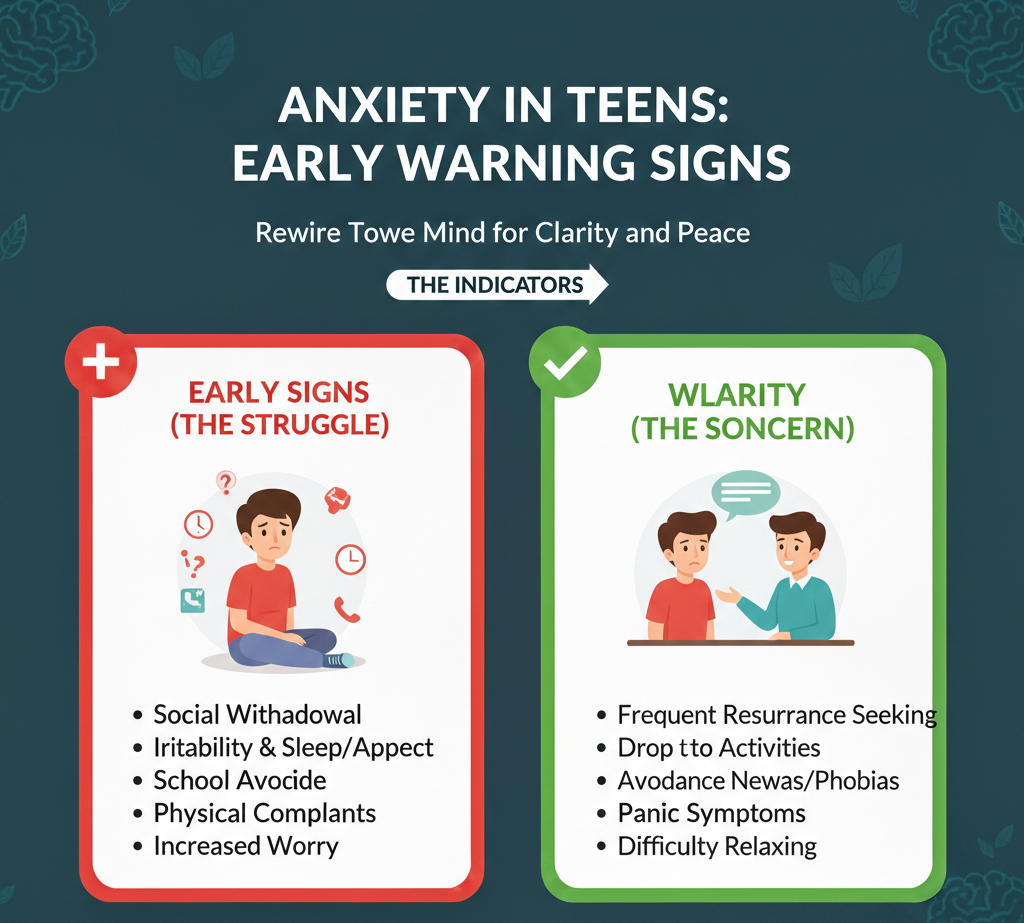
Adolescence is a time of rapid emotional, physical, and social development. Teenagers face academic pressure, social expectations, identity exploration, and digital influences—all while navigating hormonal changes. While occasional stress is normal, persistent anxiety in teens can interfere with school performance, relationships, and overall well-being.
Recognizing the early warning signs of anxiety allows parents, teachers, and caregivers to provide timely support. Early intervention can prevent symptoms from becoming more severe and help teens build healthy coping skills.
In this guide, we’ll explore the causes of teen anxiety, common symptoms, and when to seek professional help.
Why Anxiety Is Increasing in Teens
Recent years have seen a noticeable rise in adolescent anxiety. Experts attribute this to multiple factors, including:
-
Academic competition and performance pressure
-
Social media comparison and cyberbullying
-
Family stress or conflict
-
Uncertainty about the future
-
Global events and societal pressures
Organizations like the American Psychological Association emphasize that while anxiety is common during adolescence, persistent symptoms should not be ignored.
What Is Teen Anxiety?
Anxiety is the body’s natural response to perceived stress or danger. It activates the “fight-or-flight” system, increasing heart rate and alertness. In small doses, anxiety can motivate teens to prepare for exams or perform well in sports.
However, when anxiety becomes constant, excessive, or disproportionate to the situation, it may indicate an anxiety disorder.
Common anxiety disorders in teens include:
-
Generalized Anxiety Disorder (GAD)
-
Social Anxiety Disorder
-
Panic Disorder
-
Specific phobias
-
Separation anxiety disorder
Each condition presents differently, but many share overlapping symptoms.
Early Warning Signs of Anxiety in Teens
Recognizing anxiety early can make a significant difference. Symptoms may appear emotional, behavioral, or physical.
1. Excessive Worry
One of the earliest signs is persistent worry about everyday matters. Teens may worry about grades, friendships, appearance, or future plans beyond what is typical for their age.
They may frequently ask for reassurance or struggle to stop negative thoughts.
2. Avoidance of Activities
Avoidance is a major red flag. A teen who once enjoyed social events or extracurricular activities may begin withdrawing.
Examples include:
-
Refusing to attend school
-
Avoiding social gatherings
-
Skipping sports or clubs
-
Declining invitations from friends
Avoidance often reinforces anxiety and can worsen symptoms over time.
3. Physical Complaints Without Clear Cause
Anxiety often shows up physically. Teens may report:
-
Frequent headaches
-
Stomachaches
-
Nausea
-
Fatigue
-
Rapid heartbeat
-
Dizziness
These symptoms are real and distressing, even if medical exams find no physical cause.
4. Irritability and Mood Changes
Unlike adults, teens with anxiety may not always appear fearful. Instead, they may become irritable, frustrated, or easily overwhelmed.
Sudden mood swings or emotional outbursts can sometimes mask underlying anxiety.
5. Difficulty Concentrating
An anxious mind is often preoccupied with worry. Teens may struggle to focus on schoolwork, leading to declining grades or unfinished assignments.
Teachers may notice distraction, restlessness, or incomplete tasks.
6. Sleep Problems
Anxiety frequently interferes with sleep. Teens may have trouble falling asleep due to racing thoughts or wake up frequently during the night.
Lack of sleep can worsen emotional regulation and intensify anxiety symptoms.
7. Perfectionism
Some teens channel anxiety into perfectionistic behaviors. They may set unrealistically high standards and become extremely upset over small mistakes.
While achievement can appear positive, excessive perfectionism often signals deeper fear of failure or judgment.
8. Panic Attacks
In some cases, teens may experience panic attacks—sudden episodes of intense fear accompanied by physical symptoms such as chest tightness, shortness of breath, or trembling.
These episodes can feel frightening and may lead to avoidance of places or situations associated with the attack.
Causes of Anxiety in Teens
Teen anxiety rarely has a single cause. Contributing factors may include:
Biological Factors
Genetics and brain chemistry play a role in anxiety disorders.
Environmental Stress
Family conflict, bullying, or major life changes can trigger symptoms.
Social Media Influence
Constant comparison and online validation pressures may increase insecurity and fear of judgment.
Academic Pressure
High expectations and competitive environments can overwhelm teens.
How Parents and Caregivers Can Help
Supporting a teen with anxiety requires patience, empathy, and understanding.
1. Open Communication
Encourage honest conversations. Instead of dismissing fears, listen actively and validate emotions.
Avoid saying:
“Just relax.”
“It’s not a big deal.”
Instead say:
“I can see this is really stressful for you.”
“Let’s figure this out together.”
2. Model Healthy Coping Skills
Teens observe adult behavior. Demonstrating stress-management techniques—like deep breathing or taking breaks—can teach practical coping strategies.
3. Establish Routine
Consistent sleep schedules, balanced meals, and structured daily routines provide stability during emotional turbulence.
4. Encourage Gradual Exposure
If a teen is avoiding certain situations, gradual exposure (rather than complete avoidance) can build confidence. Professional guidance is helpful for structured exposure.
5. Limit Screen Time
Reducing social media exposure may decrease comparison-based anxiety and improve sleep quality.
When to Seek Professional Help
While mild anxiety can be managed at home, professional intervention is important when:
-
Symptoms persist for several months
-
Anxiety interferes with school or relationships
-
Panic attacks occur frequently
-
The teen expresses hopelessness or withdrawal
-
Avoidance behaviors intensify
Therapies such as Cognitive Behavioral Therapy (CBT) are highly effective for treating adolescent anxiety. CBT helps teens identify negative thought patterns and develop healthier coping strategies.
In some cases, healthcare providers may recommend medication alongside therapy. Treatment decisions should always be made under professional supervision.
The Importance of Early Intervention
Early support prevents anxiety from escalating into more severe mental health conditions. Teens who receive timely treatment are more likely to develop strong emotional regulation skills and long-term resilience.
Untreated anxiety can increase the risk of depression, academic difficulties, and social isolation.
Reducing Stigma Around Teen Mental Health
One of the biggest barriers to treatment is stigma. Teens may feel embarrassed or fear being judged for seeking help.
Open conversations about mental health normalize these experiences. Schools and families play a vital role in promoting awareness and acceptance.
Final Thoughts
Anxiety in teens is more common than many people realize. While some worry is part of growing up, persistent or intense anxiety deserves attention. Recognizing early warning signs—such as excessive worry, avoidance, sleep problems, and physical complaints—allows parents and caregivers to intervene early.
With proper support, therapy, and healthy coping strategies, teens can learn to manage anxiety effectively and thrive emotionally. If you suspect your teen may be struggling, reaching out to a qualified mental health professional is a proactive and compassionate step.
Early awareness leads to early action—and early action can make all the difference in a teen’s mental health journey.
FAQs
Is guilt a symptom of depression?
Yes, excessive or guilt is listed as a core symptom of Major Depressive Disorder in the DSM-5.
Can guilt cause depression?
While guilt alone doesn’t cause depression, chronic guilt can contribute to its development and worsen existing symptoms.
How do I stop feeling guilty when depressed?
Working with a therapist, practicing self-compassion, and potentially using medication can help manage guilt associated with depression.

Contact us
Have questions? Reach out and we’ll get back to you shortly.
Content
Guilt and Depression at a Glance
How Guilt and Depression Interact
Coping When You’re
Depressed and Feeling Guilty
Evidence-Based Treatments
When to Seek Help
How Loved Ones Can Help
FAQs