
Blog
Managing Anxiety During Major Life Changes

Author:
Medical Writer
Saya Des Marais

Medical Reviewer:
Dr. Russell A. Barkley, Ph.D
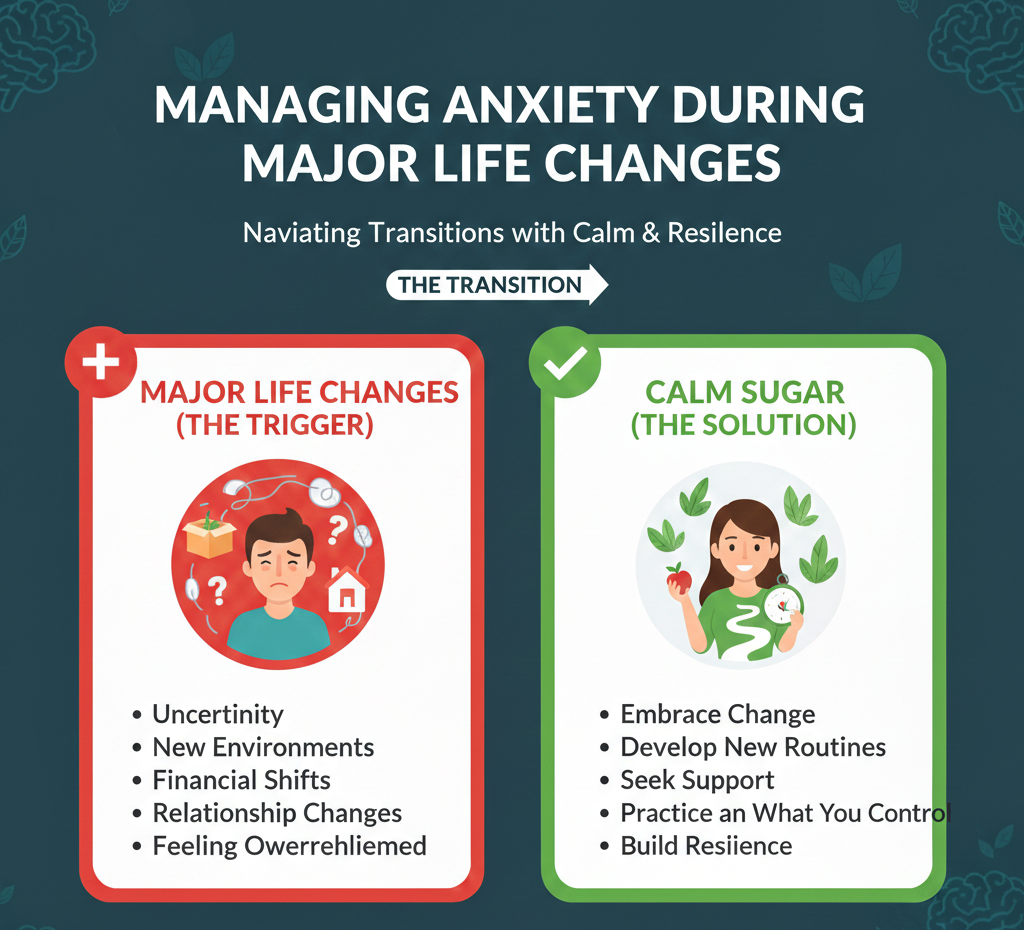
Life is full of transitions. Some changes are joyful, like starting a new job or getting married, while others can be painful, such as losing a loved one or going through a divorce. Even positive changes can bring uncertainty, pressure, and emotional stress. For many people, these shifts can trigger or intensify anxiety symptoms.
Feeling anxious during major life events is common and normal. However, when worry becomes overwhelming, persistent, or disruptive, it may require intentional coping strategies or professional support.
In this guide, we’ll explore why life changes trigger anxiety and provide practical tools to help you manage emotional stress during transitions.
Why Major Life Changes Trigger Anxiety
Humans naturally seek stability and predictability. Major life changes disrupt routines, alter responsibilities, and create uncertainty about the future. The brain perceives uncertainty as a potential threat, activating the body’s stress response.
This response may include:
-
Racing thoughts
-
Difficulty sleeping
-
Irritability
-
Muscle tension
-
Rapid heartbeat
-
Trouble concentrating
For individuals already managing conditions like Generalized Anxiety Disorder, even small disruptions can amplify worry patterns.
The key is understanding that anxiety during transitions is often a response to uncertainty—not necessarily a sign that something is wrong.
Common Life Changes That Trigger Anxiety
Major life events vary widely, but certain transitions commonly increase stress levels:
1. Career Changes
Starting a new job, losing employment, or changing careers can create financial concerns and self-doubt.
2. Relocation
Moving to a new city or country disrupts social support systems and daily routines.
3. Relationship Changes
Marriage, divorce, or becoming a parent introduces new responsibilities and emotional adjustments.
4. Health Challenges
A new diagnosis or chronic illness can significantly impact emotional well-being.
5. Loss and Grief
The death of a loved one is one of the most emotionally intense life transitions.
Even positive events can trigger anxiety because they involve unfamiliar territory and increased expectations.
The Role of Uncertainty in Anxiety
Anxiety thrives on “what if” thinking. During life changes, the mind often jumps to worst-case scenarios:
-
What if I fail at my new job?
-
What if I don’t make friends after moving?
-
What if I can’t handle this responsibility?
These thoughts activate the body’s fight-or-flight response. Techniques used in Cognitive Behavioral Therapy (CBT) help individuals challenge and reframe these automatic thought patterns.
Practical Strategies to Manage Anxiety During Transitions
While you may not control every life event, you can control how you respond to it. Here are effective coping strategies:
1. Maintain Structure Where Possible
When life feels uncertain, maintaining daily routines can create a sense of stability. Regular sleep, balanced meals, exercise, and scheduled downtime help regulate the nervous system.
Simple habits—like waking up at the same time each day—provide predictability during unpredictable periods.
2. Break Changes Into Manageable Steps
Large transitions often feel overwhelming because they involve multiple unknowns. Break the change into smaller, achievable tasks.
For example:
-
Research the new city before moving.
-
Create a 30-day adjustment plan for a new job.
-
Set weekly goals during a career shift.
Small accomplishments build confidence and reduce anxiety.
3. Limit Catastrophic Thinking
Anxiety tends to exaggerate negative outcomes. When you notice worst-case thinking, ask yourself:
-
Is this thought based on facts or fear?
-
What evidence supports this worry?
-
What is a more balanced perspective?
Practicing thought restructuring can reduce emotional intensity.
4. Stay Connected
Major life changes can feel isolating. Leaning on friends, family, or support groups provides emotional grounding.
Talking openly about your concerns normalizes the experience and prevents internalizing stress.
For those who struggle socially, especially individuals with Social Anxiety Disorder, gradual exposure to supportive environments can build confidence during transitions.
5. Practice Mindfulness and Relaxation Techniques
Mindfulness helps bring attention back to the present moment instead of worrying about the future.
Effective techniques include:
-
Deep breathing exercises
-
Progressive muscle relaxation
-
Meditation
-
Gentle yoga
-
Guided imagery
These strategies calm the nervous system and reduce physical anxiety symptoms.
6. Focus on What You Can Control
During uncertain times, focusing on controllable factors builds resilience.
You may not control:
-
The outcome of a job application
-
Others’ reactions
-
Economic conditions
But you can control:
-
Your preparation
-
Your daily habits
-
Your mindset
-
Your support network
Shifting focus toward action reduces helplessness.
7. Accept Mixed Emotions
It’s common to feel both excitement and fear during major life events. Allowing yourself to experience mixed emotions without judgment promotes emotional balance.
For example, becoming a parent can bring joy alongside anxiety about responsibility. Accepting both feelings prevents internal conflict.
When Anxiety Becomes Overwhelming
While transitional stress is normal, persistent or severe symptoms may signal a deeper anxiety disorder.
Signs that professional support may be needed include:
-
Constant worry that feels uncontrollable
-
Frequent panic attacks
-
Avoidance of necessary responsibilities
-
Significant sleep disruption
-
Physical symptoms like dizziness or chest tightness
Individuals experiencing symptoms of Panic Disorder during life transitions may benefit from structured therapy and medical guidance.
Therapy Options During Life Changes
Seeking therapy during major transitions can provide valuable support.
Cognitive Behavioral Therapy (CBT)
CBT helps identify distorted thinking patterns and replace them with realistic perspectives.
Acceptance and Commitment Therapy (ACT)
ACT focuses on accepting difficult emotions while committing to meaningful actions.
Group Therapy
Sharing experiences with others navigating similar transitions can reduce isolation.
The American Psychological Association emphasizes early intervention for anxiety symptoms to prevent long-term complications.
The Importance of Self-Compassion
During major life changes, people often place unrealistic expectations on themselves. Self-criticism can intensify anxiety.
Practice self-compassion by:
-
Acknowledging that change is difficult
-
Speaking to yourself kindly
-
Recognizing that growth takes time
-
Celebrating small progress
Transitions are rarely smooth. Allowing room for adjustment promotes healthier adaptation.
Building Long-Term Resilience
Each successfully navigated life change builds emotional strength. Even difficult transitions provide opportunities for growth.
To strengthen resilience:
-
Reflect on past challenges you’ve overcome
-
Identify coping strategies that worked
-
Keep a journal to track progress
-
Practice gratitude for small wins
Over time, you may develop greater confidence in handling uncertainty.
Final Thoughts
Major life changes are inevitable. Whether positive or painful, transitions disrupt routines and create uncertainty that can trigger anxiety. However, anxiety during change does not mean failure—it means you are adapting.
By maintaining structure, challenging negative thoughts, seeking support, and practicing mindfulness, you can manage stress more effectively. When symptoms feel overwhelming, professional help provides additional tools for recovery.
Life transitions may be uncomfortable, but they also offer opportunities for growth, resilience, and new beginnings. With the right strategies and support, you can move forward with greater confidence and emotional balance.
FAQs
Is guilt a symptom of depression?
Yes, excessive or guilt is listed as a core symptom of Major Depressive Disorder in the DSM-5.
Can guilt cause depression?
While guilt alone doesn’t cause depression, chronic guilt can contribute to its development and worsen existing symptoms.
How do I stop feeling guilty when depressed?
Working with a therapist, practicing self-compassion, and potentially using medication can help manage guilt associated with depression.

Contact us
Have questions? Reach out and we’ll get back to you shortly.
Content
Guilt and Depression at a Glance
How Guilt and Depression Interact
Coping When You’re
Depressed and Feeling Guilty
Evidence-Based Treatments
When to Seek Help
How Loved Ones Can Help
FAQs