
Blog
How Limiting Sugar Intake May Reduce Anxiety

Author:
Medical Writer
Saya Des Marais

Medical Reviewer:
Dr. Russell A. Barkley, Ph.D
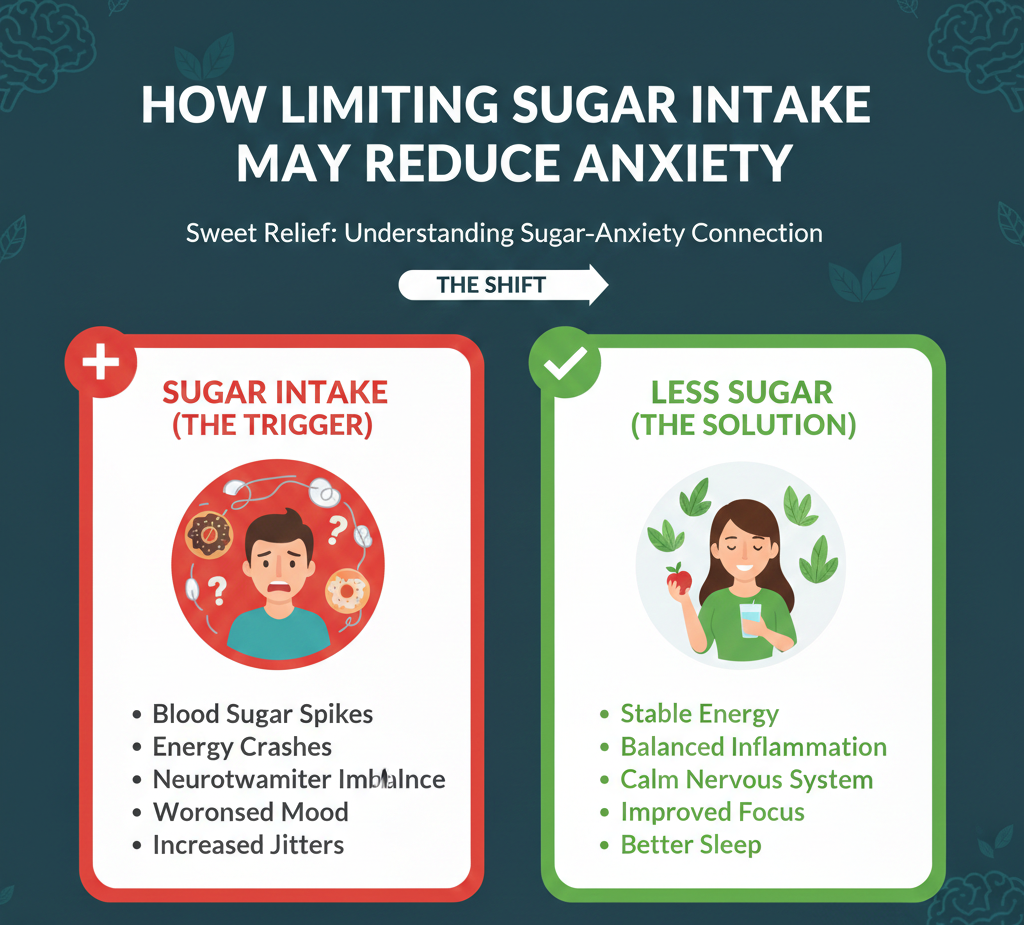
Anxiety disorders affect millions of people worldwide, and while therapy and medication are often central to treatment, lifestyle choices can also play a significant role in symptom management. One factor that is gaining increased attention is sugar consumption. Many people notice that after consuming sugary foods or drinks, they feel jittery, irritable, or emotionally unsettled. But is there a real connection between sugar and anxiety?
Emerging research suggests that high sugar intake may worsen anxiety symptoms in some individuals. By understanding how sugar impacts the brain and body, you can make informed dietary choices that support emotional well-being.
In this article, we’ll explore how limiting sugar intake may help reduce anxiety and offer practical steps for creating a balanced, anxiety-supportive diet.
The Link Between Sugar and Anxiety
Sugar directly affects blood glucose levels. When you consume sugary foods, blood sugar rises quickly. In response, your body releases insulin to bring levels back down. This rapid rise and fall—often called a “sugar crash”—can trigger physical and emotional symptoms that resemble anxiety.
These symptoms may include:
-
Rapid heartbeat
-
Sweating
-
Shakiness
-
Irritability
-
Difficulty concentrating
-
Fatigue
For individuals already living with anxiety disorders, these sensations can intensify existing symptoms.
According to research supported by organizations like the American Psychological Association, physiological stress responses can amplify emotional distress. Blood sugar instability may act as a trigger for heightened anxiety.
How Sugar Affects Brain Chemistry
Sugar consumption influences neurotransmitters—chemical messengers in the brain responsible for regulating mood.
When you eat sugar, your brain releases dopamine, a neurotransmitter associated with pleasure and reward. While this may create a temporary sense of comfort, repeated spikes can lead to dependency-like patterns and mood instability.
Additionally, fluctuations in blood sugar can interfere with serotonin regulation. Serotonin is often referred to as the “feel-good” neurotransmitter, and low levels are associated with anxiety and depression.
In people diagnosed with Generalized Anxiety Disorder, maintaining stable brain chemistry is especially important. Sudden dietary sugar spikes may disrupt emotional balance.
The Stress Hormone Connection
High sugar intake can also impact cortisol, the body’s primary stress hormone. When blood sugar levels crash, the body may release cortisol to restore balance. Elevated cortisol levels are linked to increased anxiety, restlessness, and sleep disturbances.
Chronic high cortisol levels can keep the nervous system in a heightened state of alertness, making it harder to relax. This ongoing activation may worsen symptoms for individuals managing conditions like Panic Disorder or social anxiety.
Sugar, Inflammation, and Mental Health
Another important factor is inflammation. Diets high in refined sugar have been associated with increased systemic inflammation. Research suggests that chronic inflammation may contribute to mood disorders and anxiety symptoms.
While the relationship is complex and still being studied, reducing sugar intake may help support overall brain health and emotional stability.
The Blood Sugar Rollercoaster Effect
To understand how sugar influences anxiety, consider what happens during a typical day of high sugar intake:
-
Breakfast pastry and sweetened coffee cause a rapid spike in blood sugar.
-
Insulin releases to lower glucose levels.
-
Blood sugar drops quickly, leading to fatigue and irritability.
-
You reach for another sugary snack to regain energy.
-
The cycle repeats.
This rollercoaster effect can leave the body feeling constantly on edge. For someone with anxiety, these physical sensations may mimic or trigger anxious thoughts.
Stabilizing blood sugar through balanced meals may reduce these fluctuations and support a calmer nervous system.
Hidden Sources of Sugar
Many people are unaware of how much sugar they consume daily. Beyond obvious sweets, sugar hides in:
-
Flavored yogurts
-
Breakfast cereals
-
Granola bars
-
Sauces and condiments
-
Energy drinks
-
Packaged snacks
Reading nutrition labels and identifying added sugars can help you make more mindful choices.
Benefits of Reducing Sugar for Anxiety
While eliminating sugar entirely is not necessary for most people, reducing intake may provide noticeable improvements in emotional health.
Potential benefits include:
-
More stable energy levels
-
Improved mood consistency
-
Fewer jitters or heart palpitations
-
Better sleep quality
-
Reduced inflammation
-
Improved focus and mental clarity
For individuals participating in therapies such as Cognitive Behavioral Therapy, maintaining physical stability through diet may enhance overall treatment outcomes.
Practical Tips to Reduce Sugar Intake
Making dietary changes doesn’t have to be overwhelming. Small, gradual adjustments can make a big difference.
1. Choose Whole Foods
Focus on fruits, vegetables, whole grains, lean proteins, and healthy fats. These foods provide steady energy without rapid spikes.
2. Pair Carbohydrates with Protein
Combining carbohydrates with protein or healthy fats slows digestion and helps stabilize blood sugar.
3. Stay Hydrated
Dehydration can worsen fatigue and irritability, which may feel like anxiety. Drinking enough water supports overall well-being.
4. Limit Sugary Beverages
Soft drinks, sweetened teas, and flavored coffees are major sources of added sugar. Replacing them with water, herbal tea, or unsweetened options can significantly reduce intake.
5. Plan Balanced Snacks
Choose snacks like nuts, yogurt (unsweetened), boiled eggs, or fruit with nut butter to avoid sudden blood sugar crashes.
The Role of Caffeine and Sugar Together
Sugar is often consumed alongside caffeine, especially in coffee drinks and sodas. Caffeine itself can increase heart rate and stimulate the nervous system. When combined with sugar spikes, the result may intensify anxiety symptoms.
If you’re sensitive to anxiety, monitoring both sugar and caffeine intake may provide additional benefits.
Individual Differences Matter
It’s important to note that not everyone responds to sugar the same way. Some individuals may tolerate moderate sugar intake without noticeable anxiety changes, while others may be highly sensitive.
Keeping a food and mood journal can help identify patterns between sugar consumption and emotional symptoms.
Should Sugar Be Eliminated Completely?
Complete elimination is not necessary for most people and may even create stress if dietary rules become too rigid. The goal is moderation and awareness.
Natural sugars found in whole fruits are generally not problematic because fiber slows absorption and prevents sharp spikes. The primary concern is added sugars found in processed foods.
Balance, rather than restriction, supports long-term sustainability.
When to Seek Professional Support
While dietary changes can help manage mild symptoms, moderate to severe anxiety disorders often require professional treatment. Therapy, lifestyle adjustments, and sometimes medication may be necessary.
If anxiety interferes with daily functioning, causes frequent panic attacks, or disrupts sleep and relationships, consult a qualified healthcare provider.
Nutrition can complement treatment, but it should not replace professional mental health care.
Final Thoughts
The connection between sugar and anxiety is complex but increasingly supported by scientific research. Rapid blood sugar fluctuations, stress hormone activation, and inflammation may all contribute to heightened anxiety symptoms in some individuals.
By reducing added sugar intake and focusing on balanced nutrition, you may experience improved mood stability, steadier energy, and better overall emotional health. Small dietary adjustments—combined with therapy, exercise, and stress management—can create meaningful improvements over time.
If you’re managing anxiety, consider evaluating your sugar intake as part of a comprehensive wellness plan. A calmer body often supports a calmer mind.
FAQs
Is guilt a symptom of depression?
Yes, excessive or guilt is listed as a core symptom of Major Depressive Disorder in the DSM-5.
Can guilt cause depression?
While guilt alone doesn’t cause depression, chronic guilt can contribute to its development and worsen existing symptoms.
How do I stop feeling guilty when depressed?
Working with a therapist, practicing self-compassion, and potentially using medication can help manage guilt associated with depression.

Contact us
Have questions? Reach out and we’ll get back to you shortly.
Content
Guilt and Depression at a Glance
How Guilt and Depression Interact
Coping When You’re
Depressed and Feeling Guilty
Evidence-Based Treatments
When to Seek Help
How Loved Ones Can Help
FAQs