
Blog
The Benefits of Group Therapy for Anxiety

Author:
Medical Writer
Saya Des Marais

Medical Reviewer:
Dr. Russell A. Barkley, Ph.D
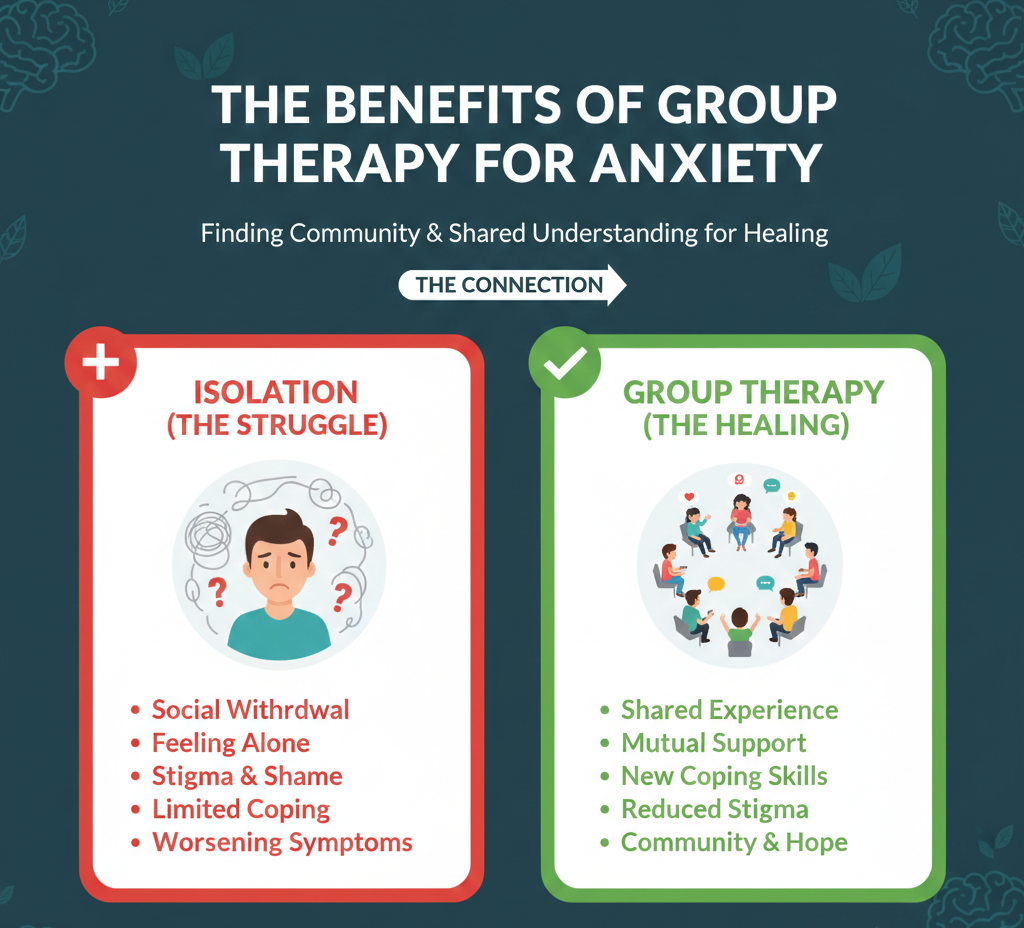
Anxiety disorders are among the most common mental health conditions worldwide. From persistent worry and panic attacks to social fear and intrusive thoughts, anxiety can interfere with daily life, relationships, and overall well-being. While individual therapy is a well-known treatment option, group therapy has emerged as a powerful and effective approach for managing anxiety.
Many people hesitate at the idea of sharing personal struggles in a group setting. However, research shows that structured group therapy can significantly reduce anxiety symptoms while providing emotional support and practical coping strategies.
In this article, we’ll explore how group therapy works, its unique benefits, and why it may be an excellent treatment option for individuals living with anxiety.
What Is Group Therapy?
Group therapy is a form of psychotherapy in which one or more trained mental health professionals work with several individuals at the same time. Sessions typically include 6 to 12 participants who share similar concerns, such as anxiety disorders.
Many group therapy programs are based on Cognitive Behavioral Therapy (CBT), which focuses on identifying negative thought patterns and developing healthier coping behaviors. In a group setting, participants learn these techniques together while also benefiting from shared experiences.
Group sessions usually meet weekly and follow a structured format, including discussions, skill-building exercises, and guided activities.
Why Group Therapy Works for Anxiety
Anxiety often creates feelings of isolation. Individuals may believe they are alone in their fears or that others cannot understand their experiences. Group therapy directly challenges this belief.
Hearing others describe similar struggles helps normalize symptoms and reduce shame. Participants quickly realize that anxiety is common and treatable.
Additionally, group therapy provides real-time opportunities to practice social interaction, especially for those struggling with social anxiety. Instead of avoiding situations, participants gradually build confidence in a supportive environment.
Key Benefits of Group Therapy for Anxiety
1. Reduced Feelings of Isolation
One of the most powerful aspects of group therapy is realizing you are not alone. Listening to others share their stories helps reduce feelings of loneliness and self-blame. This shared understanding fosters empathy and connection.
For individuals with conditions like Social Anxiety Disorder, simply speaking in a safe group setting can be a major step toward recovery.
2. Peer Support and Encouragement
Group members often motivate one another. When someone shares a breakthrough or coping strategy, others feel inspired and hopeful. Peer encouragement builds resilience and reinforces positive progress.
Unlike casual conversations with friends, group therapy is guided by a licensed professional who ensures discussions remain constructive and therapeutic.
3. Learning Through Shared Experiences
Participants benefit not only from their own therapy work but also from the experiences of others. Hearing how someone managed panic symptoms or faced a fear provides practical insight.
For example, individuals dealing with Panic Disorder may learn breathing techniques or grounding exercises from fellow members who have successfully reduced panic attacks.
4. Development of Social Skills
Avoidance is common in anxiety disorders. Group therapy provides a safe place to practice communication, assertiveness, and emotional expression.
Over time, individuals become more comfortable sharing opinions, making eye contact, and engaging in conversations. These improvements often extend beyond the therapy room into work, school, and personal relationships.
5. Cost-Effective Treatment Option
Compared to individual therapy, group therapy is often more affordable. Because the therapist works with multiple participants at once, session costs are typically lower. This makes treatment more accessible for many individuals seeking help.
6. Structured Skill Building
Most anxiety-focused group therapy programs follow evidence-based frameworks supported by organizations such as the American Psychological Association. Sessions may include:
-
Cognitive restructuring techniques
-
Exposure exercises
-
Relaxation training
-
Stress management tools
-
Mindfulness practices
Participants practice these skills together and receive feedback from both the therapist and peers.
7. Accountability and Motivation
Group therapy encourages accountability. Knowing others expect your participation can motivate you to complete homework assignments and practice coping skills between sessions.
This sense of shared commitment often increases consistency and engagement in treatment.
Types of Group Therapy for Anxiety
Different formats are available depending on the individual’s needs:
CBT-Based Anxiety Groups
These structured groups focus on identifying irrational thoughts and replacing them with balanced perspectives.
Exposure-Based Groups
Participants gradually confront feared situations together under professional guidance.
Support Groups
Less structured than CBT groups, support groups focus on emotional sharing and peer connection.
Skills-Based Workshops
These short-term groups teach specific techniques such as mindfulness or stress reduction.
Conditions Commonly Treated in Group Settings
Group therapy can help individuals experiencing:
-
Generalized anxiety disorder (GAD)
-
Social anxiety disorder
-
Panic disorder
-
Specific phobias
-
Obsessive-compulsive disorder (OCD)
-
Post-traumatic stress disorder (PTSD)
For individuals managing Generalized Anxiety Disorder, structured group sessions can help reduce excessive worry and improve daily functioning.
What to Expect in a Group Therapy Session
If you’re considering group therapy, understanding the structure can ease concerns.
Initial Assessment
Before joining a group, you’ll typically meet with a therapist to determine whether the group is a good fit.
Establishing Ground Rules
Confidentiality, respect, and active participation are emphasized. Everyone agrees to create a safe and supportive environment.
Guided Discussions
Sessions may include open discussions, role-playing, worksheets, and exposure exercises.
Homework Assignments
Participants often receive practical tasks to complete between meetings.
Addressing Common Concerns
“I’m too nervous to talk in front of others.”
It’s normal to feel hesitant at first. Most participants start quietly and gradually become more comfortable over time.
“What if others judge me?”
Group therapy settings are built on empathy and confidentiality. Members typically share similar struggles and are focused on mutual support rather than judgment.
“Will I get enough personal attention?”
Although individual therapy offers one-on-one focus, group therapy provides diverse perspectives and shared learning experiences that individual sessions cannot replicate.
Combining Group and Individual Therapy
Some individuals benefit from combining both approaches. Individual therapy allows for deeper exploration of personal issues, while group therapy provides social support and skill practice.
Medication may also be considered when symptoms are severe. Treatment decisions should always be guided by a qualified healthcare provider.
Long-Term Benefits of Group Therapy
The skills and connections developed in group therapy often extend far beyond the treatment period. Many participants report:
-
Improved self-confidence
-
Reduced avoidance behaviors
-
Stronger communication skills
-
Better stress management
-
Lasting friendships and support networks
Learning to speak openly about anxiety reduces stigma and fosters emotional growth.
Is Group Therapy Right for You?
Group therapy may be ideal if you:
-
Feel isolated because of anxiety
-
Avoid social interactions
-
Want practical coping strategies
-
Prefer shared learning experiences
-
Seek a cost-effective therapy option
However, individuals experiencing severe depression, active substance abuse, or acute mental health crises may require individualized treatment before joining a group.
A mental health professional can help determine the best course of action.
Final Thoughts
Anxiety disorders can feel overwhelming, but effective treatment options are available. Group therapy offers a unique combination of professional guidance, peer support, and skill development. By sharing experiences and learning together, individuals often find renewed confidence and emotional strength.
Although stepping into a group setting may initially feel intimidating, many participants discover that it becomes one of the most empowering parts of their recovery journey. If anxiety is affecting your daily life, exploring group therapy could be a valuable step toward healing and long-term well-being.
FAQs
Is guilt a symptom of depression?
Yes, excessive or guilt is listed as a core symptom of Major Depressive Disorder in the DSM-5.
Can guilt cause depression?
While guilt alone doesn’t cause depression, chronic guilt can contribute to its development and worsen existing symptoms.
How do I stop feeling guilty when depressed?
Working with a therapist, practicing self-compassion, and potentially using medication can help manage guilt associated with depression.

Contact us
Have questions? Reach out and we’ll get back to you shortly.
Content
Guilt and Depression at a Glance
How Guilt and Depression Interact
Coping When You’re
Depressed and Feeling Guilty
Evidence-Based Treatments
When to Seek Help
How Loved Ones Can Help
FAQs