
Blog
Exposure Therapy Explained for Anxiety Disorders

Author:
Medical Writer
Saya Des Marais

Medical Reviewer:
Dr. Russell A. Barkley, Ph.D
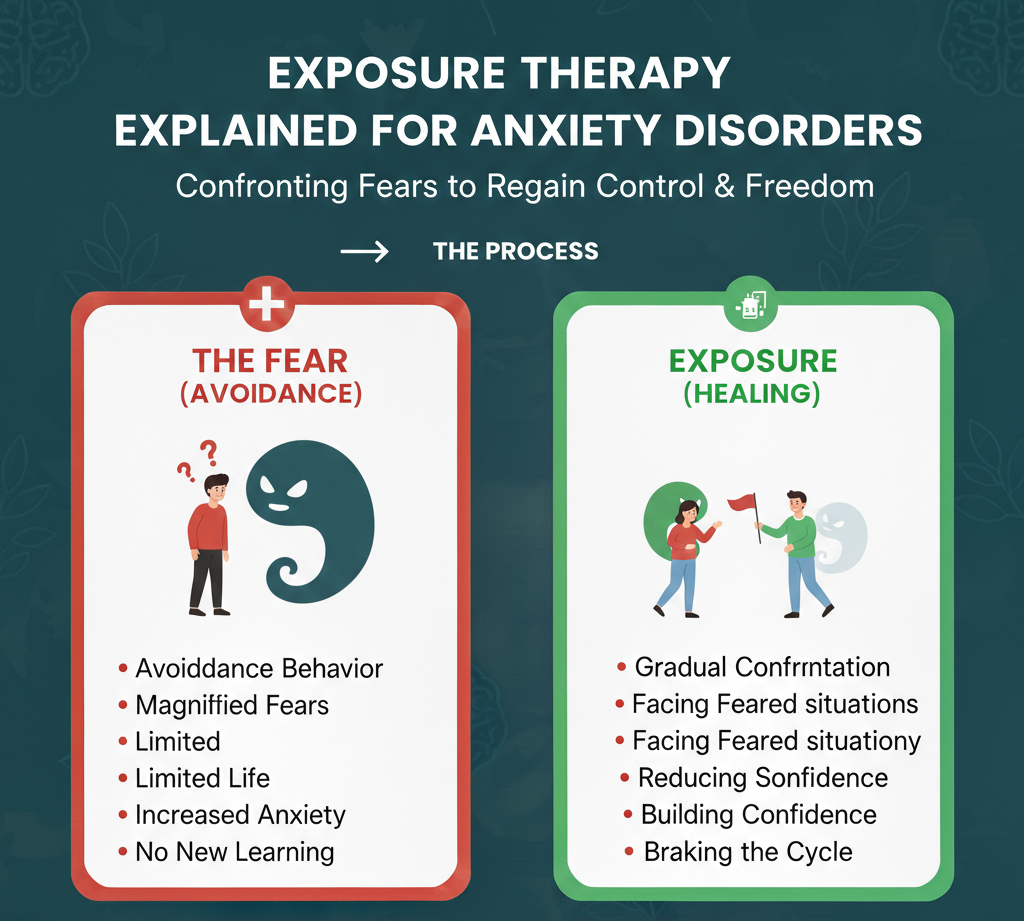
Anxiety disorders affect millions of people worldwide, making everyday situations feel overwhelming and frightening. Whether it’s fear of social situations, panic attacks, intrusive thoughts, or traumatic memories, anxiety can significantly impact quality of life. Fortunately, several effective treatments are available, and one of the most evidence-based approaches is exposure therapy.
Exposure therapy is a structured psychological treatment designed to help individuals gradually face their fears in a safe and controlled environment. Over time, this process reduces anxiety responses and helps people regain confidence and control.
In this guide, we’ll explain what exposure therapy is, how it works, what conditions it treats, and what you can expect if you or a loved one considers this approach.
What Is Exposure Therapy?
Exposure therapy is a type of behavioral therapy commonly used within Cognitive Behavioral Therapy (CBT). It focuses on gradually confronting feared situations, objects, or thoughts instead of avoiding them.
Avoidance is a natural response to anxiety. However, long-term avoidance actually reinforces fear, making anxiety stronger over time. Exposure therapy works by breaking this cycle. Through repeated and controlled exposure, the brain learns that the feared situation is not as dangerous as it once believed.
This process helps reduce emotional distress and physical symptoms such as rapid heartbeat, sweating, dizziness, and shortness of breath.
How Exposure Therapy Works
The effectiveness of exposure therapy is based on a principle called habituation. When a person repeatedly encounters a feared stimulus without experiencing the expected negative outcome, anxiety gradually decreases.
Here’s how the process typically unfolds:
1. Assessment and Planning
A licensed mental health professional evaluates the type and severity of anxiety. Together, the therapist and patient create a list of feared situations ranked from least to most distressing. This is known as a “fear hierarchy.”
2. Gradual Exposure
The individual starts with mild exposure and progresses slowly. This may involve:
-
Imagining the feared situation
-
Looking at pictures
-
Watching videos
-
Visiting a location
-
Direct real-life interaction
3. Repetition and Processing
Repeated exposure allows anxiety levels to peak and then naturally decline. Over time, the brain forms new associations, reducing fear intensity.
Types of Exposure Therapy
Exposure therapy can take several forms depending on the condition being treated:
In Vivo Exposure
This involves real-life confrontation with feared objects or situations. For example, someone with a fear of heights may gradually visit higher floors of a building.
Imaginal Exposure
Used especially for trauma-related disorders, this method involves vividly imagining the feared memory or scenario in a safe therapeutic setting.
Interoceptive Exposure
Often used for panic disorder, this method deliberately induces physical sensations similar to panic (like increased heart rate) to reduce fear of bodily symptoms.
Virtual Reality Exposure
In some clinics, virtual reality tools simulate environments such as flying or crowded places to help patients safely face their fears.
Anxiety Disorders Treated with Exposure Therapy
Exposure therapy is widely recognized as an effective treatment for several anxiety-related conditions:
1. Specific Phobias
Phobias involve intense fear of specific objects or situations such as spiders, flying, or public speaking.
2. Social Anxiety Disorder
People with social anxiety fear judgment or embarrassment in social settings.
3. Panic Disorder
Panic disorder involves sudden, intense panic attacks accompanied by physical symptoms.
4. Obsessive-Compulsive Disorder (OCD)
Exposure therapy for OCD often includes a specialized form called Exposure and Response Prevention (ERP).
5. Post-Traumatic Stress Disorder (PTSD)
For individuals diagnosed with Post-Traumatic Stress Disorder, exposure therapy can help process traumatic memories in a structured and controlled way.
Why Avoidance Makes Anxiety Worse
Avoidance may provide short-term relief, but it strengthens fear in the long run. For example, someone afraid of elevators may avoid them entirely. While this prevents immediate anxiety, it reinforces the belief that elevators are dangerous.
Exposure therapy gently challenges these beliefs. By safely experiencing the feared situation and realizing the feared outcome doesn’t occur (or is manageable), confidence grows and anxiety decreases.
Benefits of Exposure Therapy
Research consistently shows exposure therapy to be highly effective. Key benefits include:
-
Long-lasting symptom reduction
-
Improved coping skills
-
Increased independence
-
Reduced reliance on medication (in some cases)
-
Greater emotional resilience
Many clinical studies conducted by organizations such as the American Psychological Association support its effectiveness, especially when combined with cognitive restructuring techniques.
Is Exposure Therapy Safe?
When conducted by a trained professional, exposure therapy is safe and carefully monitored. While it can feel uncomfortable at first, therapists ensure the process is gradual and supportive.
It’s important to note:
-
Therapy is collaborative
-
You are never forced into exposure without consent
-
Sessions are structured and goal-oriented
Temporary increases in anxiety are normal during sessions, but these decreases naturally over time.
Combining Exposure Therapy with Medication
Some individuals benefit from combining therapy with medication. Anti-anxiety medications or selective serotonin reuptake inhibitors (SSRIs) may help manage severe symptoms while exposure therapy addresses the root cause of fear.
Medication decisions should always be made under medical supervision. While medication can reduce symptoms, therapy provides long-term coping strategies that help prevent relapse.
What to Expect During Sessions
If you’re considering exposure therapy, here’s what the experience typically includes:
-
Initial Consultation: Discussion of symptoms, triggers, and treatment goals.
-
Psychoeducation: Learning how anxiety works in the brain and body.
-
Fear Hierarchy Creation: Ranking feared situations.
-
Gradual Exposure Exercises: Starting small and building confidence.
-
Homework Assignments: Practicing exposure techniques between sessions.
-
Progress Evaluation: Monitoring improvement and adjusting strategies.
Therapy duration varies depending on severity but often ranges from 8 to 16 sessions.
Common Misconceptions About Exposure Therapy
“It will make my anxiety worse.”
While anxiety temporarily increases during exposure, it decreases over time with repetition.
“It’s too intense.”
Exposure is gradual and tailored to each person’s tolerance level.
“Avoiding fear is safer.”
Avoidance may feel safer, but it strengthens anxiety patterns in the brain.
Who Should Avoid Exposure Therapy?
Although highly effective, exposure therapy may not be suitable for everyone. Individuals with severe dissociation, uncontrolled medical conditions, or active substance abuse may require alternative or preparatory treatments.
A qualified mental health professional can determine whether exposure therapy is appropriate.
Self-Help Exposure: Is It Recommended?
Mild fears may improve with structured self-help exposure exercises. However, moderate to severe anxiety disorders should be treated under professional supervision to ensure safety and effectiveness.
Guided therapy helps prevent overwhelming experiences and ensures progress follows a structured plan.
Long-Term Outlook
The long-term success rate of exposure therapy is encouraging. Many individuals experience significant symptom reduction and improved quality of life. Skills learned during therapy can be applied to future stressors, building long-term resilience.
Relapse prevention strategies are often included in treatment plans to maintain progress.
When to Seek Professional Help
You should consider professional help if:
-
Anxiety interferes with work or relationships
-
You avoid important activities
-
Panic attacks occur frequently
-
Fear feels uncontrollable
-
Symptoms persist for more than six months
Early intervention often leads to faster and more effective recovery.
Final Thoughts
Exposure therapy is one of the most scientifically supported treatments for anxiety disorders. By gradually confronting fears instead of avoiding them, individuals can retrain their brains and regain control over their lives.
Although facing fears may feel intimidating, the structured and supportive approach of exposure therapy offers lasting relief and renewed confidence. If anxiety is limiting your daily life, speaking with a qualified mental health professional about exposure therapy could be a powerful first step toward recovery.
FAQs
Is guilt a symptom of depression?
Yes, excessive or guilt is listed as a core symptom of Major Depressive Disorder in the DSM-5.
Can guilt cause depression?
While guilt alone doesn’t cause depression, chronic guilt can contribute to its development and worsen existing symptoms.
How do I stop feeling guilty when depressed?
Working with a therapist, practicing self-compassion, and potentially using medication can help manage guilt associated with depression.

Contact us
Have questions? Reach out and we’ll get back to you shortly.
Content
Guilt and Depression at a Glance
How Guilt and Depression Interact
Coping When You’re
Depressed and Feeling Guilty
Evidence-Based Treatments
When to Seek Help
How Loved Ones Can Help
FAQs