Blog
How to Read Prescription Medication Labels

Author:
Medical Writer
Saya Des Marais

Medical Reviewer:
Dr. Russell A. Barkley, Ph.D
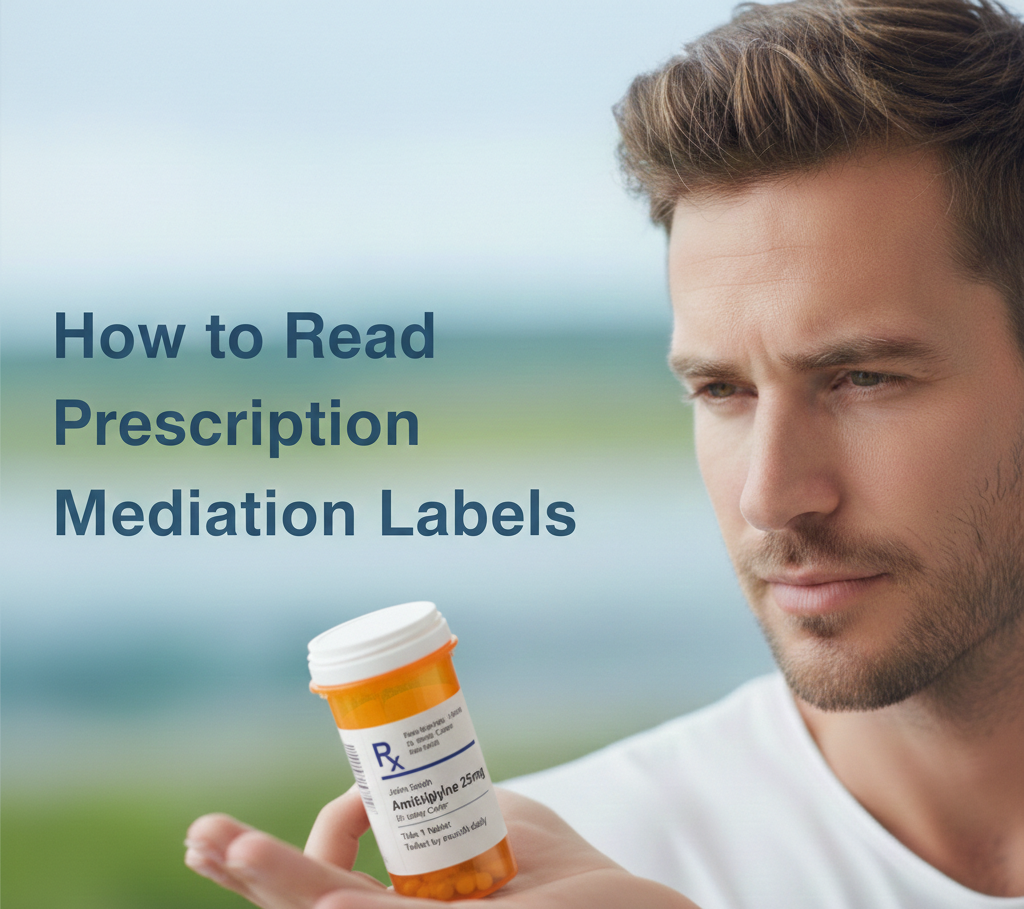
Prescription medications play an important role in treating illness, managing chronic conditions, and improving overall health. However, medications are only safe and effective when taken correctly. One of the most important tools for proper medication use is the prescription medication label.
Many patients overlook label instructions or misunderstand important details such as dosage timing, warnings, or refill information. Misreading medication labels can lead to missed doses, overdosing, or harmful drug interactions.
This guide explains how to read prescription medication labels clearly and confidently so patients can use their medications safely.
Why Prescription Labels Matter
A prescription label provides essential instructions created by healthcare professionals and pharmacists. These instructions ensure that medications work as intended while minimizing risks.
Medication errors commonly occur due to:
-
Confusing dosage instructions
-
Similar drug names
-
Incorrect timing
-
Skipping warning labels
-
Taking medications improperly
Understanding every part of the label helps prevent these mistakes.
Main Parts of a Prescription Medication Label
Although label formats may vary slightly between pharmacies, most prescription labels include the same key sections.
1. Patient Information
This section displays:
-
Patient’s name
-
Sometimes date of birth or identification details
Always confirm that the medication belongs to you or the intended patient before taking it. Taking someone else’s prescription medication can be dangerous.
2. Medication Name
The label lists the drug name, which may appear as:
-
Brand name, or
-
Generic name
Example:
-
Brand: Zoloft
-
Generic: Sertraline
Some labels include both names to avoid confusion.
Patients taking multiple medications should carefully check names to prevent mix-ups.
3. Strength of the Medication
Medication strength indicates how much active ingredient each dose contains.
Examples include:
-
10 mg
-
50 mg
-
500 mg
Strength is critical because taking the wrong dose may reduce effectiveness or cause harmful side effects.
4. Dosage Instructions (Sig)
This is one of the most important parts of the label.
It explains:
-
How much to take
-
How often to take it
-
How it should be taken
Example instructions:
-
“Take 1 tablet by mouth twice daily”
-
“Take once every 6 hours as needed for pain”
Follow these instructions exactly unless your healthcare provider advises otherwise.
Understanding Common Label Terms
Prescription labels often use specific wording that may seem confusing.
“Once Daily”
Take medication one time per day at approximately the same time.
“Twice Daily”
Usually means every 12 hours.
“Three Times Daily”
Typically spaced evenly throughout waking hours.
“As Needed (PRN)”
Take only when symptoms occur, not on a fixed schedule.
If instructions are unclear, ask your pharmacist for clarification.
5. Route of Administration
This tells you how the medication should be taken.
Examples include:
-
By mouth
-
Apply to skin
-
Inhale
-
Eye or ear drops
-
Injection
Never take medication using a different method than instructed.
6. Timing Instructions
Some medications must be taken under specific conditions:
-
With food
-
On an empty stomach
-
Before bedtime
-
In the morning
These directions improve effectiveness and reduce side effects.
For example:
-
Taking certain medications with food may prevent stomach irritation.
-
Some stimulants should not be taken late in the day.
7. Warning Labels and Stickers
Pharmacies often place colored warning stickers on medication containers.
Common warnings include:
-
May cause drowsiness
-
Avoid alcohol
-
Do not drive or operate machinery
-
Take with food
-
Avoid sunlight exposure
These warnings are essential safety reminders and should never be ignored.
8. Prescription Number (Rx Number)
Each medication receives a unique prescription number used for:
-
Refills
-
Pharmacy identification
-
Medication tracking
Keep this number available when requesting refills.
9. Prescribing Doctor Information
The label includes the healthcare provider who prescribed the medication. This helps pharmacists confirm treatment details if questions arise.
10. Pharmacy Information
This section lists:
-
Pharmacy name
-
Address
-
Phone number
Contact the pharmacy if you experience side effects or have questions about instructions.
11. Refill Information
The label states whether refills are allowed.
Example:
-
Refills remaining: 2
-
No refills remaining
Running out of medication unexpectedly may interrupt treatment, so monitor refill status regularly.
12. Expiration Date
Prescription medications include an expiration or “use by” date.
Expired medications may:
-
Lose effectiveness
-
Become unstable
-
Pose safety risks
Avoid using medications past their expiration date unless advised by a pharmacist.
Important Safety Tips When Reading Labels
✅ Read the Label Every Time
Even if you have taken the medication before, instructions may change.
✅ Use Proper Measuring Tools
Liquid medications should be measured using pharmacy-provided devices—not household spoons.
✅ Avoid Assumptions
Medications that look similar may have completely different uses.
✅ Check After Pharmacy Pickup
Verify:
-
Correct name
-
Correct medication
-
Correct dosage
Mistakes are rare but possible.
Special Considerations for Multiple Medications
Patients managing several prescriptions should:
-
Keep an updated medication list
-
Use pill organizers if recommended
-
Follow scheduled dosing times
-
Review medications regularly with healthcare providers
Proper organization reduces confusion and missed doses.
What to Do If Instructions Are Confusing
Never guess how to take medication.
Ask your pharmacist or doctor if you are unsure about:
-
Dose timing
-
Food restrictions
-
Missed doses
-
Side effects
-
Drug interactions
Healthcare professionals are there to ensure safe medication use.
The Role of Pharmacists in Medication Safety
Pharmacists help patients understand prescription labels by:
-
Explaining dosing instructions
-
Reviewing potential interactions
-
Demonstrating proper medication use
-
Answering safety questions
Taking a moment to speak with your pharmacist can prevent serious medication errors.
Common Mistakes to Avoid
Some frequent medication label mistakes include:
-
Taking medicine too often
-
Stopping treatment early
-
Ignoring warning labels
-
Mixing medications without guidance
-
Sharing prescriptions with others
Careful label reading helps avoid these risks.
Final Thoughts
Prescription medication labels contain critical information designed to protect patient health. Learning how to read and understand these labels ensures medications are taken safely, effectively, and as intended.
By paying close attention to dosage instructions, warnings, timing directions, and refill information, patients can greatly reduce medication errors and improve treatment outcomes.
When in doubt, always ask a healthcare professional for clarification. Safe medication use begins with understanding the label—and informed patients play the most important role in their own healthcare safety.
FAQs
Is guilt a symptom of depression?
Yes, excessive or guilt is listed as a core symptom of Major Depressive Disorder in the DSM-5.
Can guilt cause depression?
While guilt alone doesn’t cause depression, chronic guilt can contribute to its development and worsen existing symptoms.
How do I stop feeling guilty when depressed?
Working with a therapist, practicing self-compassion, and potentially using medication can help manage guilt associated with depression.

Contact us
Have questions? Reach out and we’ll get back to you shortly.
Content
Guilt and Depression at a Glance
How Guilt and Depression Interact
Coping When You’re
Depressed and Feeling Guilty
Evidence-Based Treatments
When to Seek Help
How Loved Ones Can Help
FAQs