
Blog
Generic vs Brand-Name Drugs: What’s the Difference?

Author:
Medical Writer
Saya Des Marais

Medical Reviewer:
Dr. Russell A. Barkley, Ph.D
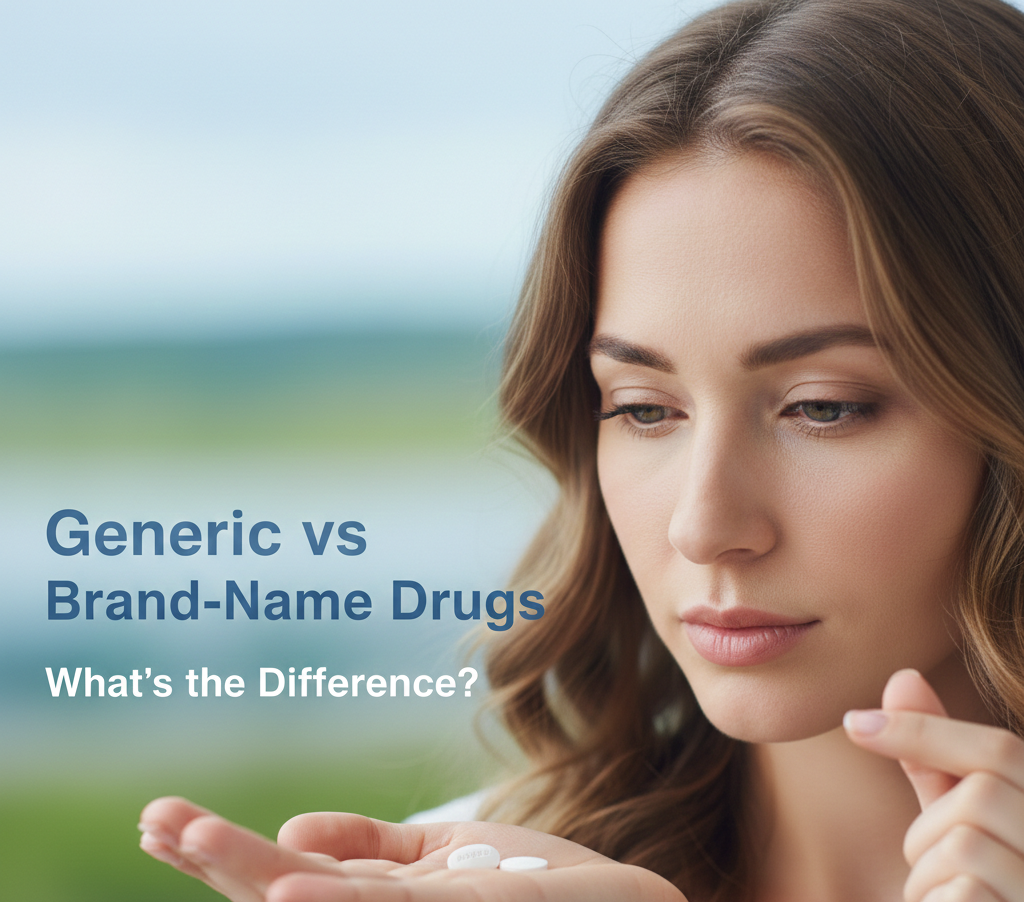
When filling a prescription, many patients notice they are often offered a generic version of a medication instead of the well-known brand-name product. This frequently raises questions such as: Are generic drugs as effective? Why are they cheaper? Is there any difference in safety or quality?
Understanding the differences between generic and brand-name medications helps patients make informed healthcare decisions while managing treatment costs effectively. Both types of medications play an important role in modern healthcare, and knowing how they compare can improve confidence in prescribed treatments.
What Are Brand-Name Drugs?
A brand-name drug is the original medication developed by a pharmaceutical company. Before reaching the market, the company invests years in research, clinical trials, and regulatory approval to prove that the medication is safe and effective.
During this development phase, the manufacturer receives a patent, which gives exclusive rights to sell the drug under a specific brand name for a limited period.
Examples include:
-
Prozac® (fluoxetine)
-
Zoloft® (sertraline)
-
Lipitor® (atorvastatin)
-
Xanax® (alprazolam)
Because of research and marketing costs, brand-name medications are typically more expensive.
What Are Generic Drugs?
A generic drug is a medication produced after the patent for a brand-name drug expires. Generic manufacturers are allowed to create equivalent versions using the same active ingredient.
Generic medications must meet strict regulatory standards to ensure they are:
-
Chemically identical in active ingredients
-
Equal in strength and dosage
-
Comparable in safety and effectiveness
-
Equivalent in quality and performance
The main goal of generic drugs is to provide affordable access to proven treatments.
Active Ingredients: The Most Important Similarity
The active ingredient is the component responsible for treating the medical condition.
Both generic and brand-name drugs contain the same active ingredient, meaning they work in the body in the same way.
For example:
-
Brand: Zoloft
-
Generic: Sertraline
Both medications deliver the same therapeutic effect when taken as prescribed.
Why Are Generic Drugs Cheaper?
One of the biggest differences between generic and brand-name medications is cost.
Generic drugs are less expensive because manufacturers:
-
Do not repeat costly clinical trials
-
Do not bear original research expenses
-
Spend less on advertising and marketing
-
Benefit from existing scientific data
Competition between multiple generic manufacturers also helps reduce prices.
In many cases, generics cost 30% to 85% less than brand-name versions.
Are Generic Drugs as Effective as Brand-Name Drugs?
Yes. Regulatory agencies require generic medications to demonstrate bioequivalence.
Bioequivalence means the generic drug:
-
Releases the active ingredient at the same rate
-
Produces similar drug levels in the bloodstream
-
Provides the same clinical benefits
Small variations in absorption are allowed but must remain within strict medical limits that do not affect treatment outcomes.
For most patients, generics perform just as effectively as brand-name medications.
Differences Between Generic and Brand Drugs
Although therapeutically equivalent, some differences may exist.
1. Appearance
Generic drugs may differ in:
-
Color
-
Shape
-
Size
-
Packaging
Trademark laws prevent generics from looking identical to branded versions.
2. Inactive Ingredients
Generics may contain different inactive ingredients such as:
-
Fillers
-
Dyes
-
Preservatives
-
Binding agents
These components do not affect how the medication works but may rarely cause sensitivities in certain individuals.
3. Cost
Brand-name drugs are usually significantly more expensive due to development and marketing investments.
When Brand-Name Drugs May Be Preferred
In most cases, generic medications work perfectly well. However, doctors may recommend brand-name drugs in specific situations:
-
Patients sensitive to certain inactive ingredients
-
Narrow therapeutic index medications
-
Complex drug delivery systems
-
Individual response differences
Examples may include certain seizure medications or thyroid treatments where consistent blood levels are critical.
Safety and Quality Standards
Both generic and brand-name medications must meet the same manufacturing and safety standards.
Regulatory authorities inspect facilities to ensure:
-
Proper manufacturing practices
-
Ingredient purity
-
Accurate dosing
-
Product stability
-
Quality control testing
Generic drugs undergo continuous monitoring even after approval.
Common Myths About Generic Drugs
Myth 1: Generics Are Lower Quality
Reality: Generics must meet the same quality standards as brand-name drugs.
Myth 2: Generics Work Slower
Reality: Approved generics deliver medication at comparable rates.
Myth 3: Lower Cost Means Less Effective
Reality: Cost differences reflect reduced development expenses—not reduced effectiveness.
Myth 4: Generics Cause More Side Effects
Reality: Side effects are usually related to the active ingredient, which remains the same.
Switching Between Generic and Brand Medications
Pharmacies often substitute generic versions automatically unless instructed otherwise by the prescribing physician.
Patients switching versions should:
-
Monitor symptom control
-
Report unexpected side effects
-
Maintain consistent medication use
-
Inform healthcare providers about changes
Most patients transition without any issues.
Benefits of Choosing Generic Medications
Generic drugs offer several advantages:
✅ Lower treatment costs
✅ Improved medication accessibility
✅ Equivalent therapeutic benefits
✅ Long-term affordability for chronic conditions
✅ Reduced healthcare expenses overall
Affordable medications also improve treatment adherence, leading to better health outcomes.
How Pharmacists Help Patients Choose
Pharmacists play an important role by:
-
Explaining medication differences
-
Confirming safe substitutions
-
Checking insurance coverage
-
Monitoring potential interactions
Patients should feel comfortable asking questions before accepting substitutions.
Tips for Patients
To make informed medication decisions:
-
Ask whether a generic option is available
-
Use the same pharmacy consistently
-
Check medication labels carefully
-
Inform doctors about allergies or sensitivities
-
Avoid switching manufacturers frequently without guidance
Clear communication supports safe treatment.
The Role of Generics in Modern Healthcare
Generic medications have transformed healthcare worldwide by making life-saving treatments more affordable. They allow healthcare systems to manage costs while maintaining high treatment standards.
Today, a large percentage of prescriptions filled globally are generic medications, helping millions of patients access essential therapies.
Final Thoughts
The difference between generic and brand-name drugs mainly comes down to cost and appearance—not effectiveness or safety. Both types contain the same active ingredients and must meet strict regulatory standards to ensure quality and performance.
For most patients, generic medications provide a safe, effective, and affordable alternative to brand-name drugs. However, treatment decisions should always be guided by healthcare professionals based on individual medical needs.
Understanding these differences empowers patients to make confident choices, improve medication adherence, and manage healthcare expenses without compromising treatment quality.
FAQs
Is guilt a symptom of depression?
Yes, excessive or guilt is listed as a core symptom of Major Depressive Disorder in the DSM-5.
Can guilt cause depression?
While guilt alone doesn’t cause depression, chronic guilt can contribute to its development and worsen existing symptoms.
How do I stop feeling guilty when depressed?
Working with a therapist, practicing self-compassion, and potentially using medication can help manage guilt associated with depression.

Contact us
Have questions? Reach out and we’ll get back to you shortly.
Content
Guilt and Depression at a Glance
How Guilt and Depression Interact
Coping When You’re
Depressed and Feeling Guilty
Evidence-Based Treatments
When to Seek Help
How Loved Ones Can Help
FAQs